


















With Transport for London (TfL) unveiling phase two of its Bus Safety Standard, Geoff Cross, Managing Director of leading fleet safety and video telematics specialist Centrad, has welcomed the continued focus on improving safety across London’s bus network.
Mr Cross has also urged the bus industry across the UK to use it as a nationwide blueprint for improving safety, supporting drivers, and reducing risk through technology.
The Bus Safety Standard was rolled out in 2018 in conjunction with TfL’s Vision Zero target, to ensure that no one is killed on, or by, a bus by 2030, with a further aspiration to eliminate all deaths and serious injuries from the network by 2041.
The updated document, which sets out additional requirements for buses entering service in 2027, 2030 and 2033, mandates that further technology is to be integrated into new vehicles.
Included in the rollout is technology to address driver fatigue and distraction. It will be introduced in new buses from 2027. Moving Off Information Systems, designed to reduce the collision risk with pedestrians and cyclists in front blind spots when starting from stationary, will become a key requirement from 2030.
Implementation of bridge strike prevention measures will also be mandated in the same year.
While the number of people killed on London’s roads was down last year, recent figures from TfL’s provisional annual casualty statistics report show serious injuries have increased by 8%.
Alongside this, reported road collision figures for Great Britain in 2025 show an estimated 1,556 fatalities, a 3% fall compared to 2024. However, there were 29,911 killed or seriously injured casualties, up 4% year-on-year, while total casualties of all severities remained roughly unchanged at 127,870.

Following the release of this latest data, Mr Cross believes that the focus for operators must shift away from analysing what has already happened after the fact to preventing incidents before they occur.
He argues that technology will have a central role to play in this transition, helping operators move towards a more proactive approach that supports drivers, reduces risk, and drives down accident statistics, not just in London, but across the UK.
Mr Cross comments: “As a former bus operator, I understand the pressures that drivers deal with every day. It i an increasingly demanding job, especially in busy urban areas where space is tight and drivers are constantly navigating around pedestrians, cyclists and other vulnerable road users.
“The reduction in fatalities in London is encouraging, but the rise in serious injuries shows there is still a lot more to do. We’re seeing a similar picture across the UK, where there are reductions, but casualty levels remain far too high. The bus industry cannot afford to be complacent, and technology will have an important role to play in driving these numbers down even further.”
According to Mr Cross, there is a growing appetite across the sector for technology-led safety solutions as operators look for new ways to support drivers and further reduce the risk of incidents.
“For many years, safety systems have been used to understand what happened after an incident. What we’re seeing now is a shift towards identifying and addressing risk before incidents occur,” he says.
“Technologies such as AI-powered driver monitoring, Moving Off Information Systems and bridge strike detection solutions are all helping operators identify and respond to risks earlier, allowing them to take preventative action before incidents occur.
“These technologies are becoming a key part of how modern fleets operate, providing drivers with additional support in the cab and helping them navigate busy environments more safely. Ultimately, they play an important role in protecting both drivers and vulnerable road users.”
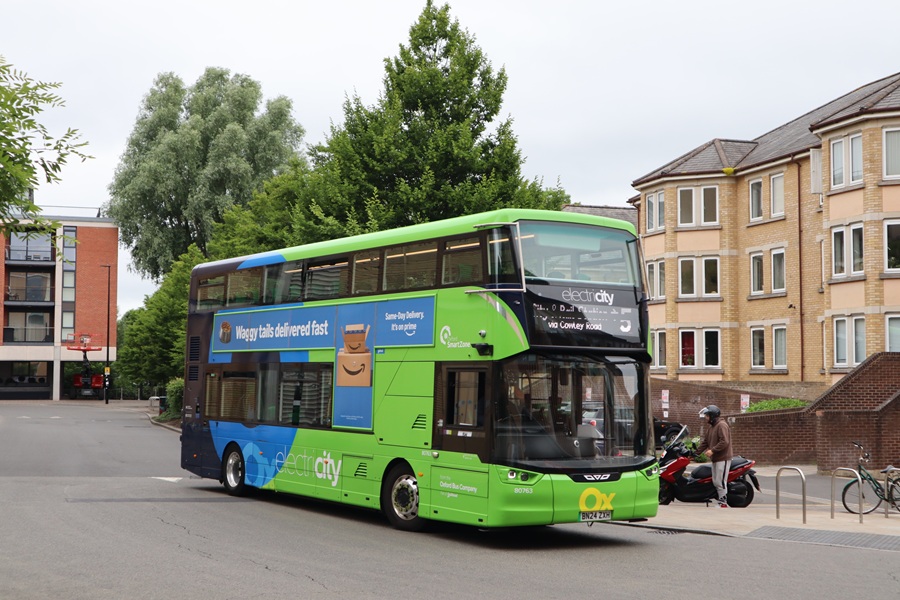
He is clear, however, that introducing such technologies is not about policing drivers, but supporting them.
“Implementing these systems isn’t about trying to catch drivers out. Driving is a demanding job, often done under pressure and with long hours. The aim of embracing this technology should be to support drivers, ease the mental workload, and help to prevent incidents before they happen.”
While London is widely regarded as a leader in transport safety innovation, Mr Cross believes that TfL’s latest standards will have an impact well beyond the capital, influencing how operators across the UK approach safety and driver support.
“London continues to set the pace when it comes to transport safety standards, but operators should not wait for mandates before taking action. While there is an investment involved, these technologies are readily available, and the safety benefits are clear for all to see.
“The operators that get ahead of the curve and start using these technologies today will be the ones best placed to make our roads safer for everyone.
“Importantly, while these systems play a crucial role in helping to prevent incidents in the first place, they also provide significant value when incidents do occur. Access to clear, downloadable footage and data gives operators greater reassurance and clarity, helping to establish exactly what happened and supporting both investigations and the insurance claims process.”