


















ZF has debuted City Bus Assist, which it says is a smarter and safer way to approach bus stops through the integration of braking, steering, suspension kneeling activation, and advanced driver assistance systems.
City Bus Assist automates steering assistance with integrated kneeling control, guiding buses equipped with the programme to the curb while minimising tyre scrub and optimising the step onto the vehicle. Braking is handled in what the supplier says is “a controlled and predictable manner.”
ZF adds that such actions could be part of everyday operations soon, with what it calls “smart integration of software functions across chassis technology and advanced driver assistance systems” helping bus builders and operators to improve safety, efficiency, and total cost of ownership.
City Bus Assist utilises perception sensors to deliver its automated steering assistance and coordinated kneeling at stops.
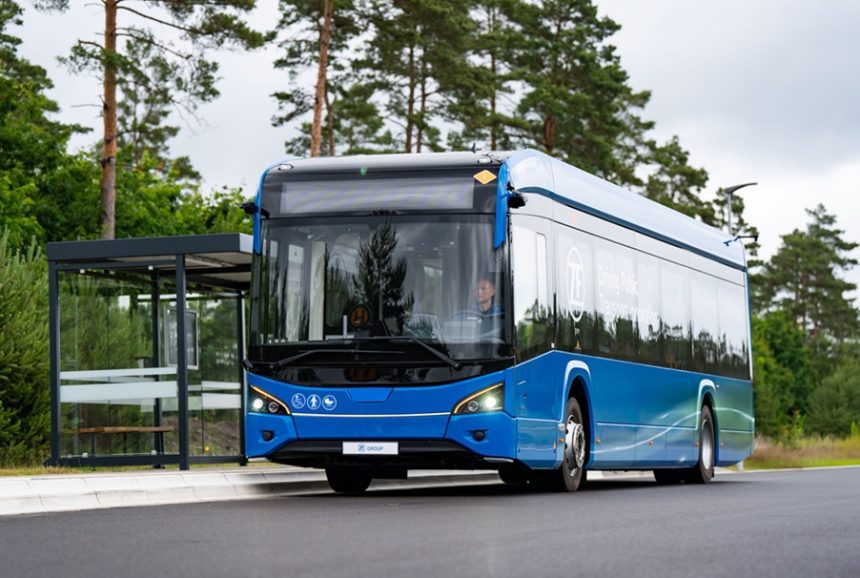
It has been demonstrated on a new-generation VDL Citea battery-electric bus and is controlled through real-time data and coordinated software functions to give what ZF says is “a new level of performance, flexibility and passenger protection without fundamental changes to vehicle architecture.”
City Bus Assist sits alongside other ZF innovations for urban bus applications including the Collision Mitigation System that detects vehicles, cyclists and pedestrians, and can initiate braking; CDC Skyhook, a damping algorithm that stabilises vehicle movements; and e-comp Scroll, a low-noise, oil-free electric air compressor.
Speaking about the overall work, Commercial Vehicle Solutions Division Head of R&D Ivan Brajdic says: “In complex urban environments, city buses must meet multiple demands at the same time: protecting road users and passengers, ensuring a smooth ride even during stop-and-go city traffic, while also continuing to work reliably.
“We create connected system intelligence across advanced driver assistance systems, chassis control systems and software functions to support drivers in critical situations while improving comfort and accessibility for passengers and enabling more efficient fleet operation.”