


















SME coach operators have complained about feeling ignored at national level, but transport bodies have reminded the sector about avenues to amplify their voice to politicians.
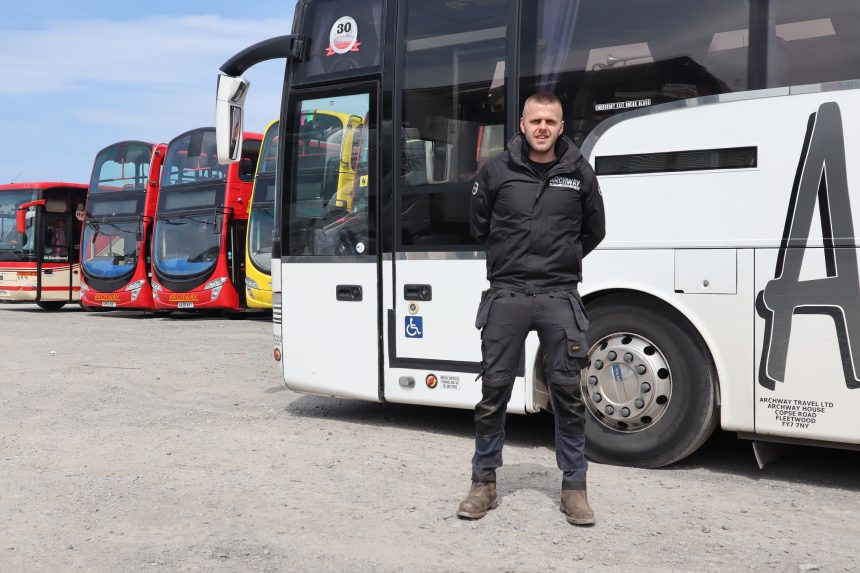
Sam Archer, Managing Director of Fleetwood operator Archway Travel, mentions issues around driver shortages and fuel costs as needing attention from MPs. However, he adds: “We’re a dirty industry. They need us, but they don’t want us. We’re a necessary evil.
“Policymakers see the coaches about, they see SMEs as a vital piece of the puzzle, but ultimately where is the support coming back? SMEs pay an absolute fortune into the PAYE and the National Insurance schemes. We pay all our dues, but where’s the [return]?”
Stephen Bryce, Managing Director of PC Coaches of Lincoln, complained recently about not being invited to a local transport roadshow arranged by the Mayor of Greater Lincolnshire. “We just need to be taken seriously, I feel,” he says. “When the independent operators are gone, they’ll be missed, but it will be too late then.”
Roland Eglinton, Managing Director of Chalkwell Coach Hire, takes a more circumspect view, saying: “I understand how some people might find that they’re not listened to, but also bear in mind the industry needs a clear, consistent message as to what we need to help with. It’s difficult for [politicians] to form an opinion if they’re getting hundreds of different views from SMEs.”
Confederation of Passenger Transport (CPT) Coach Manager Andy Shaw highlights the trade body’s recent successes, including securing a mention in the integrated transport strategy requiring local authorities to consider coaches in plans, new PSVAR exemptions, and support for operators on the introduction of the EU Entry/Exit Scheme.
He says: “When you talk about the coach industry, you really are primarily talking about smaller businesses. There are more than 2,500 operators in Britain, of which nearly all are local, family-run businesses – and CPT is proud to represent them.
“We’ve secured some really important wins for the coach sector this year. In April, the government’s national transport strategy put coaches at the heart of passenger transport and issued guidance to every local authority in England to make proper provision for coach passengers.
“On the ground, that will mean better pick-up and drop-off points for coaches, improved access to bus lanes and funding to ‘pump prime’ new scheduled coach services.
“Elsewhere, CPT has stood up for coach operators’ concerns over fuel prices and pressed the case for urgent relief. We’ve expanded our ‘coach friendly’ accreditation scheme to reward places that welcome coach operators.
“CPT secured a fair outcome for school transport operators recently to secure new coach exemptions from PSVAR based on principles that we had proposed. We’ve supported operators on the introduction of EES border requirements for coach operators.
“And our operations team is on hand every day to help members with safety, compliance and technical support. Coaches are the hidden backbone of UK passenger transport – and we make the case for them every day.”
Meanwhile, sub-national transport bodies are another possible means for SME coach operators to be heard. Peninsula Transport and Western Gateway promote coach, though not all of the seven organisations are as supportive.
The two hold regular joint discussion forums for coach operators in the south west of England to air their concerns and they say they write to the Department for Transport on the biggest issues raised.
Peninsula Transport Project Manager Kim Hawes adds: “Especially some of the smaller, independent operators are not talking to their local authorities, so we can bridge that gap and find out what the issues in the industry are and raise the profile of coach with [the authorities].”