




















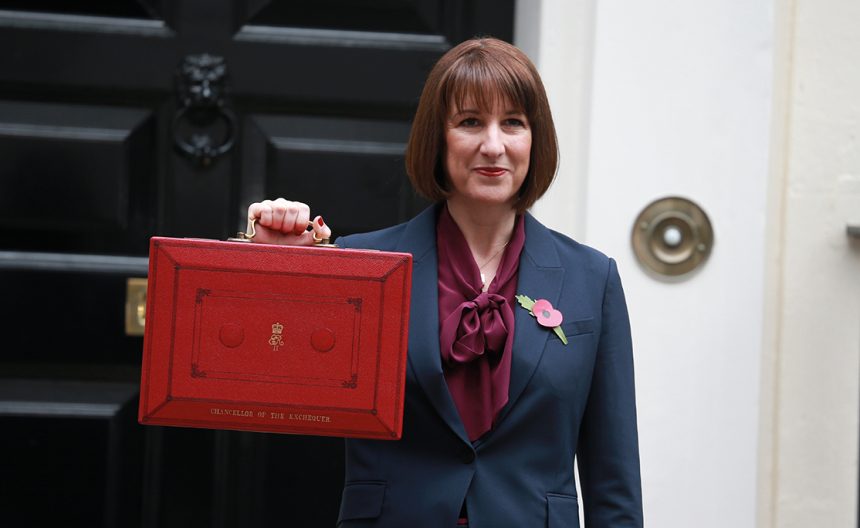
The Confederation of Passenger Transport (CPT) and RHA have issued warnings in response to Chancellor Rachel Reeves’ 2025 Budget, noting that the coach, bus and freight sectors will have to brace for rising employment costs and long-term effects from fuel duty reforms.
Responding on behalf of CPT, Alison Edwards, Director of Policy and External Relations, says the combined impact of pay and tax policy threatens to squeeze already fragile operating margins.
She says the increase to the National Living Wage, alongside recent changes to employer National Insurance, will “intensify wage pressures across the industry, where labour already makes up more than half of bus operating costs.”
An extension of the freeze on fuel duty offers some breathing space, but Ms Edwards warns those pressures will return when the staged reversal of the 5 pence cut begins, “particularly given the government has again missed the opportunity to exempt coach and bus operators from any rise,” she adds.
Ms Edwards argues that exempting the sector from fuel duty increases would come at relatively low cost while delivering significant benefits.
“Coach and bus account for under 6% of fuel duty receipts, and exempting the sector would avoid placing £142 million per year of pressure on already tight margins, protecting operators’ ability to invest in higher frequencies, new routes and modern, environmentally friendly vehicles,” she explains. “Ensuring that essential public transport remains viable will require a realistic approach to the cost base we face, stability in long-term planning, and recognition of the critical role coaches and buses play in the UK’s economic and social fabric.”
CPT singles out road user charging for electric vehicles as the most significant long-term transport reform in the Budget. Ms Edwards says road user charging that reflects use “can be fairer” and accelerate modal shift. “We look forward to working with government as it manages the inevitable shift from charging motorists at the pump to charging them as they drive,” she says.
RHA meanwhile focuses on the fuel duty trajectory set out in the Budget and warns of economic consequences from the eventual reversal of the 5p cut and indexation from 2027.
Reacting to the announcement, RHA Managing Director Richard Smith says: “The Chancellor’s decision to reverse the 5p cut on fuel duty after September 2026 and the increase of fuel duty rates by inflation from April 2027 will be a hammer blow for many businesses and push up the cost of living for families across the country.
“While we welcome today’s decision to initially continue the freeze until next September, as independent economic research shows – a 5p rise in fuel duty would increase household costs by £2 billion annually, pushing up the price of everyday essentials. Future fuel duty increases now loom large for families struggling with the cost of living and for the many small businesses who keep our supply chains moving. “
A disappointing result for the hospitality sector?
UK family-owned coach holiday provider Daish’s Holidays meanwhile warns that the introduction of a UK tourism tax will add to the high tax burden on an “already over-burdened” hospitality sector.
Paul Harper, Commercial Director at Daish’s, notes that many European destinations, while levying similar charges, benefit from lower VAT rates, balancing the overall cost to tourists and operators.
He says the Budget fails to recognise the challenges of the seasonal nature of coastal destinations, and a lack of targeted investment in transport and local regeneration risks “long-term decline” in areas dependant on tourism. He adds that a failure to deliver a VAT reduction on food and beverage means UK holidaymakers will pay more at a time when household budgets are under pressure.
“A lower VAT rate would have helped to ease cost pressures, keep prices affordable and support much needed demand across the sector,” comments Mr Harper. “This budget was an opportunity to back a sector that generates jobs and year-round economic activity, but instead it further squeezes hospitality at a critical moment. Urgent corrective measures are now needed if the UK is to maintain its position as a premier holiday and leisure destination, driving job creation and economic growth nationwide.”
Cautious welcome from tech suppliers
There was a positive reaction to the budget from fleet software supplier Microlise.
Nadeem Raza, CEO of Microlise Group, says government interest in green infrastructure could see “an uplift in interest for telematics, fleet management, regulatory compliance and vehicle monitoring technology,” particularly for public sector vehicles.
“It is encouraging that the government is continuing to see tech firms such as Microlise that invest in AI and research and development as key levers for growth,” he adds. “The stability that this will create is welcomed. However, current market uncertainty may impact the take up of such technologies by businesses that would benefit from them.”