




















The Bus Services (No.2) Bill in England has become law as the Bus Services Act, with the government saying that it intends to announce further bus funding for local authorities that will be agreed “in the coming weeks.”
Its passing will see the Department for Transport (DfT) begin to implement measures in the new law, including delivering a programme of legislation and publishing supporting guidance. How that may pan out has already been explored in some detail by the Confederation of Passenger Transport.
DfT says it aims to implement measures within the Bus Services Act as quickly as possible while balancing the needs of local authorities and the bus industry as well as engaging with stakeholders.
It highlights how the new law will ensure protection of socially necessary bus services and permit the establishment of new local authority bus companies, along with mandating training of staff to recognise and handle incidents of antisocial behaviour.
Simplification of the path to franchising is also due, while changes are expected to Enhanced Partnership to introduce greater flexibility. Combined, those will put power “in the hands of local authorities to decide what works best for their communities,” DfT says.
Speaking about the Bill passing into law, Secretary of State for Transport Heidi Alexander says: “For too long, catching the bus has felt like an ordeal, with unreliable services and cuts to key routes meaning that many communities, particularly those in rural areas, have been left isolated.
“The passing of our vital Bus Services Act will finally change this. By making it easier for local leaders to take control of their buses, we are putting passengers first, improving access to jobs, education and tourism opportunities which are all vital to growing the economy – a fundamental part of our Plan for Change.”
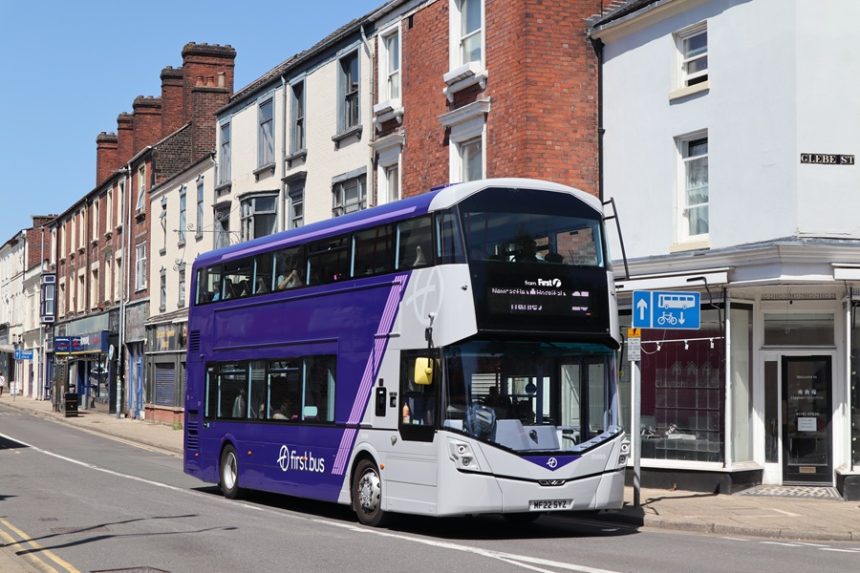
First Bus quickly responded to the Bus Services (No.2) Bill becoming law, with Managing Director Janette Bell noting how it is “a bold step to transforming local transport.” However, she adds that transfer of control to local authorities “will only succeed if it is matched by strong collaboration with experienced bus operators.”
Ms Bell says that First Bus is ready to play its part in the reform but highlights how partnership – including under franchising in Greater Manchester and in Enhanced Partnership in other areas – is a robust means of delivering improvements.
“Buses are a lifeline for millions, and we are committed to working in partnership to ensure this new era of local transport delivers for everyone,” the First Bus chief concludes.