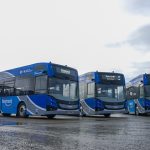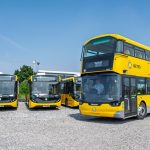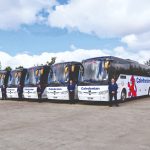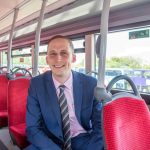





















Electric coaches and buses should have an exemption from MoT testing for the first three years of their lives, a leading industry figure has said.
Leon Daniels OBE, who was Transport for London Managing Director of Surface Transport until 2017 and now acts in a consultancy and advisory capacity, made the call in a speech at the Confederation of Passenger Transport annual dinner on 29 January.
With at least one Department for Transport (DfT) senior official present, he described bringing the testing regime for those vehicles into line with lighter categories as one of the most useful things that ministers could do for the sector.
Availability of heavy vehicle testing appointments has long been difficult in some areas, and Mr Daniels’ proposal would reduce pressure on that. DfT has previously grappled with more complex proposals for reform.
Mr Daniels points to the extent of real-time vehicle monitoring that is fitted to electric coaches and buses as a justification for his suggestion while adding that those vehicles are simpler than a comparable diesel vehicle, with less scope for problems to develop.
“What are we testing?”, he asked of guests, noting that the current position is “a ridiculous waste” of resources. In addition, Mr Daniels observes that when a large batch of new vehicles are purchased currently, some are submitted for test almost immediately to spread future expiry dates across the year.
He also used the address to warn that the industry’s road ahead is “the most complex, multi-lane contraflow junction we have ever navigated,” citing artificial intelligence as a primary reason for that.
While AI will help the sector to optimise workflows, it will do the same for other things in passengers’ lives. “Our customers’ choices and decision-making will be increasingly driven by AI, and if we are not extracting its benefits in parallel, we will be left behind,” Mr Daniels cautions.
For bus, he adds that the absolute focus must be on growth “and not machine-minding a slow decline.” Questioning how the sector has become so hooked on taxpayers’ money, Mr Daniels speculates that that it may be overly focused on public subsidy at the expense of driving organic revenue growth.
Expectations of public money continuing to flow into buses should be set against what he believes will be future economic difficulties and fiscal devolution sought by elected representatives.
Using the net surplus in South East England to fund other regions may thus become less realistic – something that should be considered where mayors in the latter are considering franchising.