

















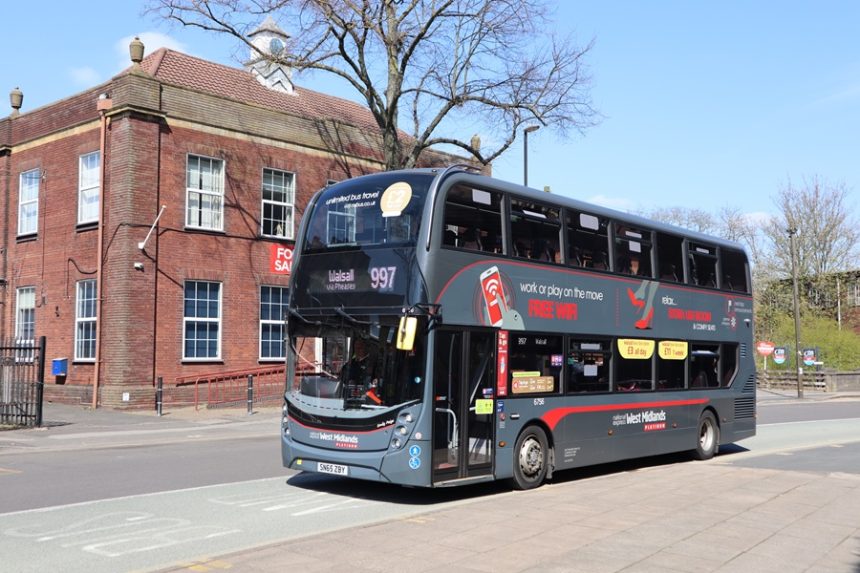
The West Midlands Combined Authority (WMCA) is planning a rolling new bus procurement programme of around 90 units per year once franchising in the region is in place. That will see the fleet used for large contracts fully electrified by 2036, according to a strategic fleet report that went before the WMCA Board on 16 January.
It recognises how a large number of zero-emission buses are already in use with dominant incumbent operator National Express West Midlands (NXWM) and how that business will add more until the first franchise contracts start in 2027. Prior to bus franchising being chosen in the West Midlands, NXWM had targeted a fully zero-emission fleet by 2030.
WMCA will own the bus fleet used on the region’s franchised network, a decision that it says has been made to minimise costs and encourage competition among bidders.
Although many other operators are active in the West Midlands, the WMCA report focuses on the present NXWM fleet’s fate under franchising. Bus provision for smaller, route-based contracts is being considered separately but the vehicles used form part of the acquisition strategy.
Noted is how purchase of NXWM diesel vehicles is expected to be via “a direct transaction.” For WMCA to take control of existing battery-electrics, it will be necessary to transfer fleet provision contracts, which are described as being “similar to a lease.” Alongside supporting infrastructure, they sit with Zenobē.
“To maximise value for money, WMCA will seek to undertake a combined negotiation with National Express covering both the diesel fleet and electric bus contracts,” the papers note. Due diligence to support the potential transfer of contracts for battery-electric buses has already been undertaken by the Combined Authority.
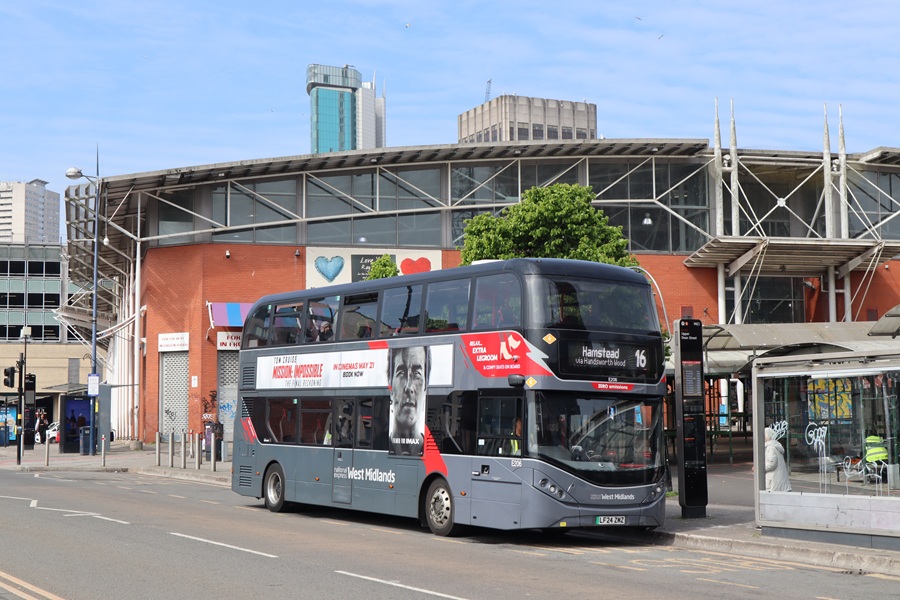
On the NXWM diesel fleet, the report observes how some examples are older than had been anticipated in the earlier full franchising assessment (FFA).
The FFA projected fleet renewal commencing in 2029 once franchising is fully rolled out. An older than expected legacy fleet could see that brought forward to 2027, which would still lead to diesel buses being replaced by 2036. Use of £77 million of Transport for City Regions funding to purchase the current fleet is advocated.
An expectation in the FFA was that only diesels aged 13 years or less would be purchased from NXWM. But if no new buses are bought for the start of franchising in 2027, it would result in some of the existing fleet needed to maintain services being up to 19 years of age, although the very oldest would be removed from ‘day one’ of franchising.
Purchase of those buses by WMCA “may not be appropriate,” and thus it could seek to bring forward acquisition of new buses or buy more than the planned 90 per year in the earlier stages of franchising. Should the shortfall be significant, it may also ask bidders to bring in “a small number” of existing vehicles.
A preferred option outlined in the report recommends purchasing diesel buses from NXWM that are up to 16 years of age. Also defined is a maximum age for diesel buses in the longer-term fleet under franchising of 15 years but with flex to 17 years pre-2036.
While all new buses purchased from now broadly need to be zero-emission to satisfy wider policy goals, factors such as depot readiness for electrification may result in WMCA buying “a limited number” of new diesel buses. A Fleet Programme Business Case is currently under development by Transport for West Midlands.