




















Bus operator labour costs rose by 4.1% in the 12 months to February 2026, according to the Confederation of Passenger Transport’s (CPT) Cost Monitor, with the increase in employer national insurance (NI) being cited.
CPT has estimated the NI increase introduced in April 2025 added £110 million to the sector’s costs, equivalent to a 2.4% increase in payroll expenditure.
The report notes that labour remains the most significant cost for operators, accounting for 57.8% of the total outgoings.
However, the rise in labour costs was less than the 6.6% seen in the 12 months up to February 2025, with salary rises being less marked more recently.
The rise in operating costs overall for bus operators across Great Britain outside London was kept to 2.9% as managers sought to make savings elsewhere.
The report showed that vehicle running costs fell by 4.4%, but this was before the sharp rise in fuel prices took effect in March.
Meanwhile, overhead costs were reduced by 9.5%.
However, such efforts were undermined by a 2.7% decrease in bus speeds limiting efficiency and productivity.
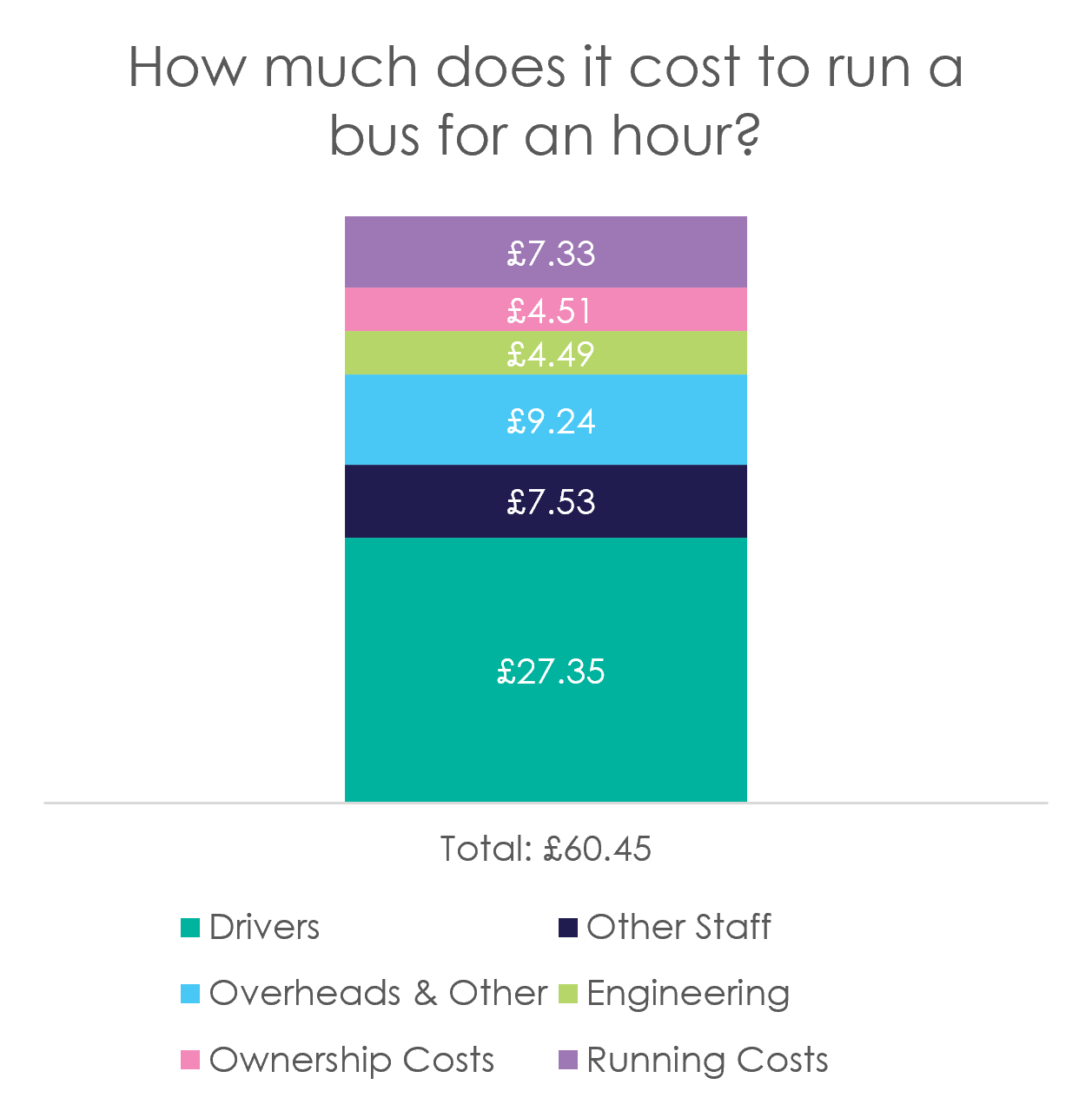
In addition, engineering costs rose by 28% as general inflation continued to impact on the industry. The report for the corresponding period up to February 2025 had shown an 8.6% rise in maintenance costs .
Graham Vidler, Chief Executive of the Confederation of Passenger Transport, says: “Bus operators have worked relentlessly to manage rising costs while protecting the services that millions of passengers rely on. They have reduced overheads, made savings and become more efficient wherever possible.
“But there is a limit to what the industry can absorb. The government’s changes to employer national insurance alone have added an estimated £110 million a year to operators’ costs, equivalent to a 2.4% increase in payroll costs.
“These figures were also recorded before the latest fuel price increases hit the industry. Operators are now facing a perfect storm of higher employment costs, rising fuel bills and continued pressure from congestion and slower bus speeds.
“Government must recognise these pressures in future funding and tax decisions. A stable, long-term approach is essential if operators are to protect services, keep fares affordable and continue investing in better buses for passengers.”