



















In the final session of the 2026 Confederation of Passenger Transport (CPT) Conference, CPT Chairman Martin Dean, Jo Tanner of Rud Pedersen and Matthew Faulding of Anacta explored how operators can engage with and influence politicians and decision-makers in the current policy landscape.
Ms Tanner notes that the pressure is on to be “more creative” in how operators connect. “The way we do things is constantly evolving,” she adds, saying politicians are more “self-centred” than they have ever been.
However, that self-centredness translates to a rise in engagement with social media and the ability for immediate connection — meaning operators have the power to put more pressure on politicians to bring them back into their constituencies to see services in their area.
Mr Faulding builds on this by noting a popular recent policy is to devolve funding, translating to a search for localised wins ahead of elections. “There is a huge opportunity to demonstrate local value, and there is a clear narrative between public transport and the cost of living, a key issue for the current government,” he highlights.
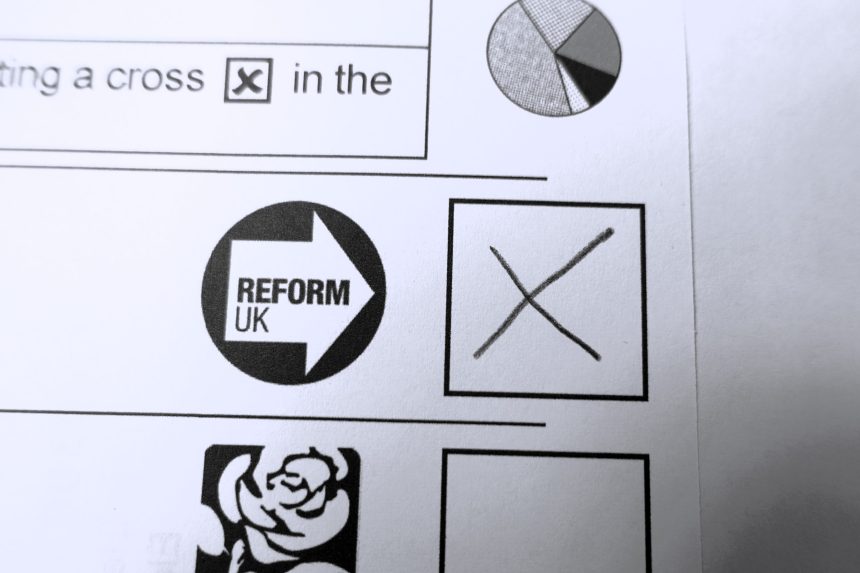
One of the hot topics was the uncertainty around political leanings at a local council level. Ms Tanner and Mr Faulding recommend keeping a focus on local issues in areas walking a tightrope between competing political views.
“There is nothing disingenuous about emphasising our business to different parties,” Mr Faulding says. “It’s a crucial way of building those relationships.”
Both however agreed that longer term protections may be necessary in areas where far-reaching decision-making on issues such as franchising are threatened by an incoming change of government.