




















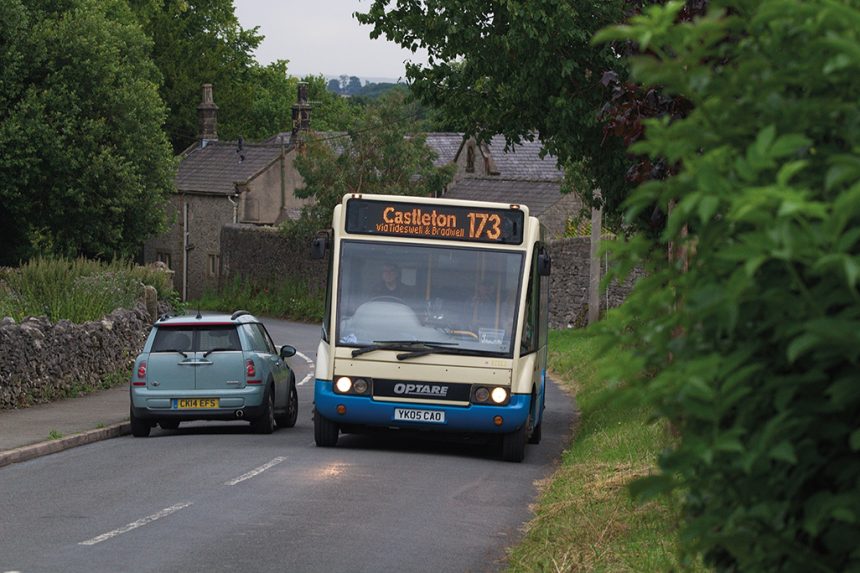
The government has signalled a change in how funding for local bus services will be allocated, with rurality set to be formally recognised in the distribution of capital support to local authorities for the first time.
The move follows pressure from MPs on the House of Commons Transport Select Committee, which has repeatedly warned that rural bus networks have suffered the deepest cuts over the past decade, leaving some communities effectively cut off from essential services, jobs and education.
Under the new approach, funding delivered through three-year Local Authority Bus Grants will take account of how rural an area is when awarding the Bus Service Improvement Plans (BSIP) element of the settlement. The grants combine BSIP funding with the Local Authority Bus Service Operators’ Grant.
The change comes after the Committee’s recent Buses connecting communities inquiry, which documented the growing problem of what it described as “public transport deserts” across rural England.
Welcoming the announcement, Transport Committee chair Ruth Cadbury says: “Investigating how to revive bus services in rural areas, which have seen the deepest cuts over the past decade, was a key pillar of our inquiry. We heard of public transport deserts making shops, jobs and amenities all but impossible to access.
“We have banged the drum repeatedly for greater support for rural services. So I applaud the Government’s announcement that, just as we recommended, a rural weighting will be included in the formula used to award capital funding to local authorities.
“It is essential and just common sense that more money is given to communities that need it most, which sadly hadn’t been the case in previous years. This change also recognises evidence we heard that running bus services is often more expensive per-passenger in rural areas than urban ones.”
The Transport Committee, a cross-party group of backbench MPs responsible for scrutinising the Department for Transport and its delivery bodies, has made rural accessibility a recurring theme of its recent work.
Further detail on how the rural weighting will be applied – and the scale of funding available in the next three-year settlement – is expected in updated guidance to local authorities later this year.