Power availability is the central consideration for bus operators electrifying fleets, with depot electrification projects increasingly shaped by grid capacity, legal processes and the need to plan charging requirements well ahead of vehicle delivery, according to VEV Business Development Manager Barry Keane.
His comments come after the supplier completed depot electrification work for Kinchbus as part of a £10 million investment in battery-electric buses for Loughborough.
Speaking about the practical challenges of converting depots, Mr Keane says that, while vehicle procurement was once the critical factor in electrification, the balance has shifted. Kinchbus benefited from securing power before it entered the tender process, though still faced legal implications and delays.
For operators in constrained urban areas, Mr Keane notes that securing power supply as part of bus depot electrification may require “creative” means, such as timing construction work to coincide with school holidays
“However long you think it is going to take, it will take a bit longer,” he adds. “Power is a constraint, so it’s critical to get on top of it from day one – but you don’t necessarily need a charger for every vehicle and there is often scope to boost supply by integrating your own on-site solar into the project.”
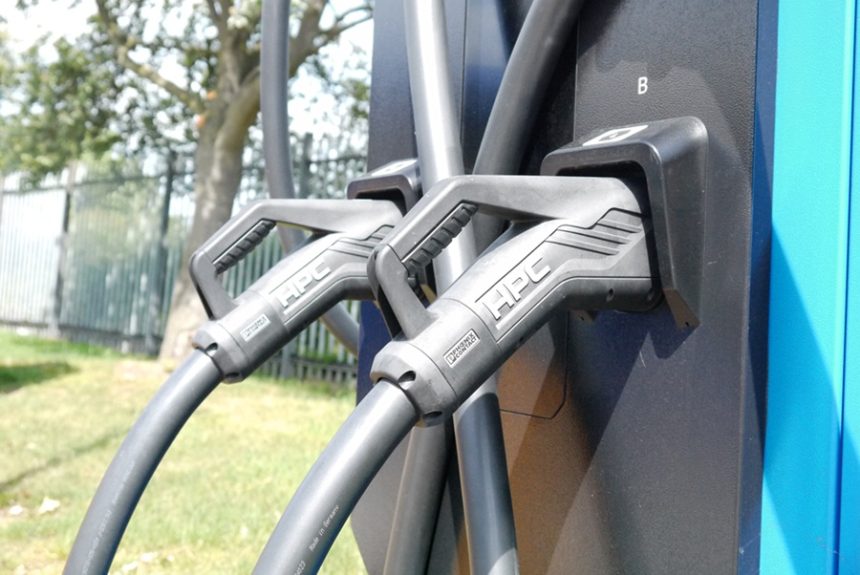
Operators are encouraged to consider what depots can become once infrastructure is in place, noting that charging infrastructure can be used by other local businesses during periods when buses are in service.
“You have a piece of hardware with an almost infinite supply of fuel, and can position yourself at the forefront of driving a net-zero change in your area, and open up your infrastructure to those that maybe do not have the ability to electrify. To do that, you need software and energy management systems that will provide data to make informed decisions.”
VEV says it is working with operators to shift charging load outside peak periods, reducing pressure on the grid, and helping operators use energy “more intelligently”.