


















Horse-trading in the coach and bus industry is no new thing. The past 40 years are filled with business sales driven by changes of focus, retirements, consolidation, and much else. But for two notable developments in that field to come within days of each other in mid-September almost harks back to the pace of change seen in the late-1980s.
Fortunes were made then by some savvy former National Bus Company directors, and while there is nothing in today’s much more grounded industry to hint that the days of becoming an overnight millionaire are returning, the deals either agreed or put out to market of late indicate that a period of change will continue.
Entrepreneur Andy Scott’s decision that his REL Capital business will draw a line under its activities in the coach sector as he moves to the United States came out of the blue, although Mr Scott’s reasons are clear and not related to the performance of his investments in the industry, he says.
He came to prominence some years ago as salvor of the Redwing Coaches operation and followed that with other purchases around south-east England. Bidders are now sought for those, with sensible prices promised.
It is likely that interest will come quickly, although whether buyers that have already made their positions on purchasing coach operators clear ultimately win the day remains to be seen. Now is perhaps the true test of whether industry consolidation is a process that will last long-term.
Meanwhile, Go-Ahead’s decision to sell Go East Anglia to up-and-comer Transport Made Simple was equally unpredictable, particularly given Go-Ahead’s recent market activities.
While Go East Anglia was perhaps not front and centre for Go-Ahead, the group had rebranded it and promised new buses. That it has been sold by one owner on a growth trail to another illustrates that little is off the table.
At the same time, Go-Ahead has made little secret of its interest in entering new areas via bus franchising. It has a wealth of experience in the regulated market. Perhaps central resources are being focused there as the franchising machine pushes on.
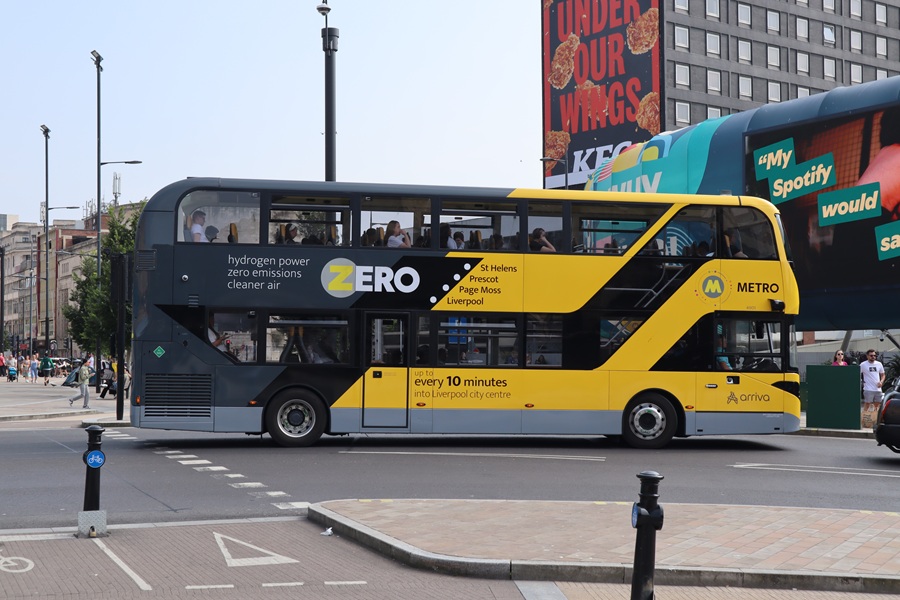
And it is franchising that could contribute to the world of coach and bus buy and sell continuing. How home-to-school services traditionally run by coach operators will fit into the regulated world is reasonably clear and is hardly good news for those businesses.
Despite that, politicians are more interested in the SME involvement in franchising than they were. The challenges to those operators’ participation are under the microscope, but the acid test will be seen when further contracts are awarded.
One SME owner active in West Yorkshire told the recent Route Forward conference that they are tired of uncertainty, hinting that the grind of running a small business while concurrently trying to deal with an industry that has become a political football takes an unsustainable toll.
Alongside that is advice from James Backhouse of legal specialist Backhouse Jones, who notes that for some SMEs in franchising areas, sale to a larger buyer could be a solid exit strategy. It has already been seen on Merseyside and may prove to be a silver lining for some others who echo the thoughts of the West Yorkshire operator. Chopping and changing of ownership is far from over.