


















Alan Acklam, Managing Director of Acklams Coaches of Beverley, has expressed concern that the public charging network is not yet a realistic option for operators of electric coaches and that businesses would be wise to form a network of informal support as part of the zero-emission transition.
The comments arrive as more battery-electric coaches come to market amid a perceived shortage of charging infrastructure.
Acklams is set to take delivery of its first battery-electric coach, a 59-seat Yutong GTe14, in early 2026. That marks what Mr Acklam calls the beginning of a “firm transition” to electric.
Mr Acklam made the decision to purchase an electric vehicle in March this year, noting that several of Acklams’ commercial customers are keen to start using EVs and reduce their carbon footprints. The coach, a Yutong GTe14 tri-axle, has a reported range of around 300 miles on a single charge and will be deployed for high-usage customers on day trips and private hires across a “localised” area of Yorkshire.
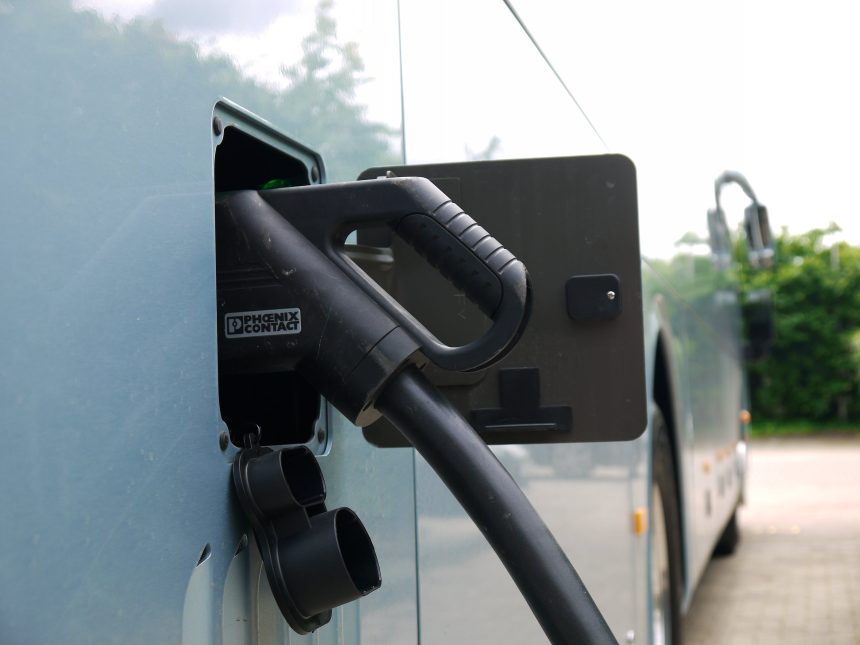
Charging will be via equipment installed across Acklams’ two depots in Beverley. In the absence of reliable public coach charging, Mr Acklam notes other operators are already reaching out informally to offer support, and he encourages others to do the same.
“We are creating a charging station within our own depot, and we plan to open this up to others. We are hoping businesses around the country will do similar things. Other companies have contacted us and said we are OK to use their chargers, but no formal agreement is in place.
“With regards to public charging on motorways, I have not met anyone who thinks there is adequate infrastructure in place. We expect things to improve over time, but if we don’t have that infrastructure, it limits us from taking further work on.”
The comments echo concerns made by Daimler Buses CEO Till Oberwörder, who recently called for dedicated coach charging points to support the transition across Europe. But Mr Acklam is cautious about the feasibility of coach-only infrastructure.
“Any infrastructure development has to be viable,” he says, referring to a need for government support. “Truck and bus need to work together on this. Operators also need more support to be encouraged to make this work, whether that is through vehicle sales or through infrastructure grants. That would help speed up the transition. What I can say is that our experience with Pelican Bus and Coach has been very positive — it has been supportive and helpful in giving us all the tools we need to put things in place.”