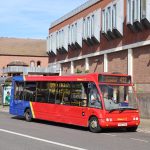




















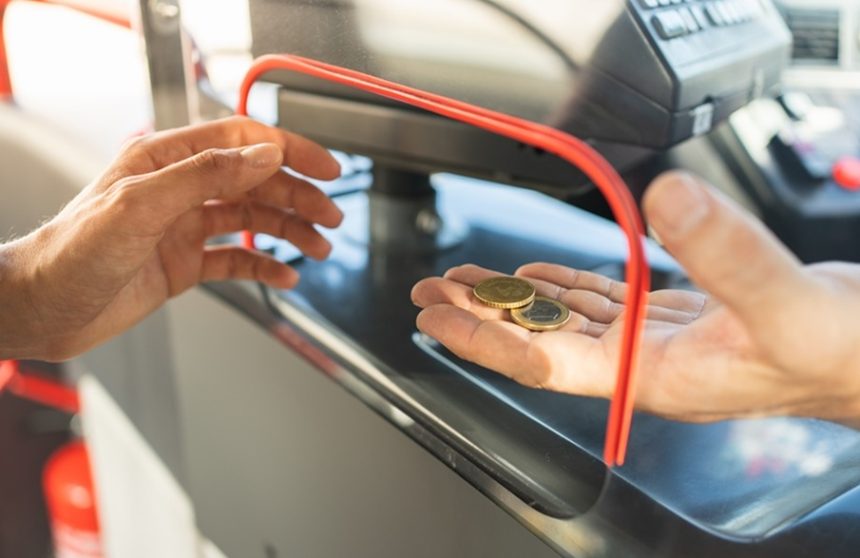
Three relatively low-profile Stagecoach Midlands bus routes in Daventry will transfer to an entirely cashless revenue model at the end of October in a shift that the operator says is expected to aid reliability.
Such a point undoubtedly relates to dwells caused by the proffering of money for a fare that does not round to something convenient, but any regular bus user will be aware that when a contactless card is not presented in the correct manner and is rejected at the first time of asking, that payment process can be greatly slowed.
App usage when boarding is generally much faster and has the benefit of data generation. In announcing the cashless move in Daventry, Stagecoach leans heavily upon the benefits of its app for passengers. Safety of drivers is another salient point to be made.
The group is reserved when asked whether the Daventry work – which is permanent and neither a pilot nor a trial, although one of the latter occurred in Kent earlier this year – will spread elsewhere. The obvious conclusion is that it will be watched closely with a view to expanding it if successful, because otherwise why do it in the first place?
There will be predictable kickback from some quarters, including those who do not use buses in the same fashion as is heard when routes are threatened with withdrawal or curtailment.
The ‘unbanked’ minority – now around 900,000 adults in the UK, the Financial Conduct Authority believes – are an important consideration and they are likely to rely on buses. Stagecoach says that any passenger genuinely unable to pay will still be carried.
Operating cashless buses has been done successfully for a long time in London and many other places globally, where the idea of paying a fare with coins onboard has long since vanished. Perhaps the UK still otherwise accepting cash and largely giving change makes it an outlier already.
The ability of cashless bus services to swallow large numbers of passengers quickly is a sight to behold, although the same was long held as true in the West Midlands under an exact fare policy and with a ticket printer that was behind the cab to draw customers into the bus quickly.
Dwell times are key, and it is imperative that operators minimise them. Tap-on, tap-off contactless payments have been revolutionary in that respect and illustrate how fresh thinking can make a major difference, and quickly.
That cash payers among non-concessionary passengers are now in a minority on a lot of services indicates that the pace of change can be rapid. The cashless bus approach by Stagecoach in Daventry might be the next step in that.
Perhaps the group should in fact be commended for grabbing what was always going to come one day by the horns and running with it.