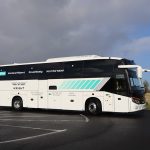




















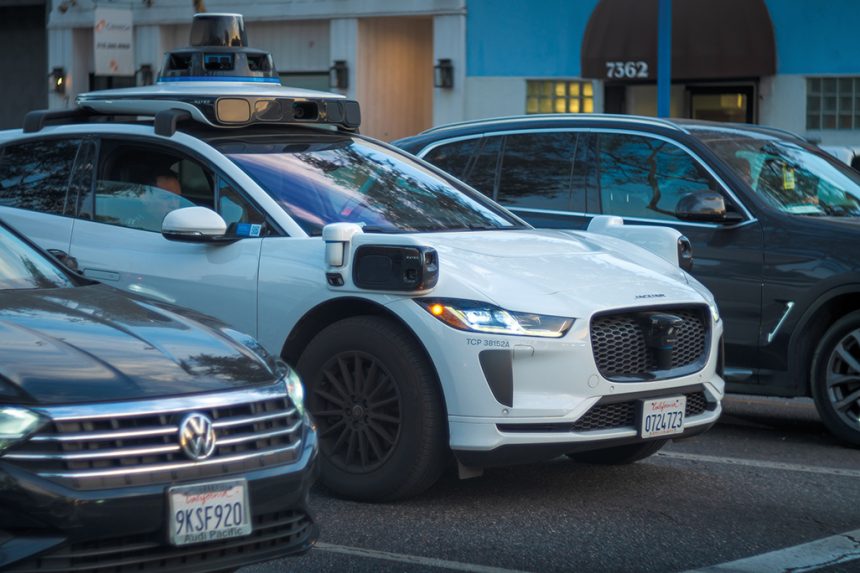
Autonomous vehicles (AVs) are no longer science fiction. They’re being trialled on public roads, integrated into urban transport strategy, and sold as the future of mobility. For example, Waymo has announced plans to bring a fully driverless taxi service to London in 2026, making the UK capital its first European deployment. Yet for the coach industry, the conversation has barely begun, and that silence is risky. If we don’t stake our claim now, we could be on the receiving end of change, not shaping it.
Let’s be clear: autonomous technology will disrupt passenger transport. The only question is whether coaches will see the upside.
The bus, rail, car, and logistics sectors are already adapting business models around autonomy. The coach industry must start defining the role we intend it to play.
There are undeniable benefits. Removing the need for a driver has obvious implications for reducing costs, the availability of labour, and scheduling flexibility. In an industry where the driver shortage continues to bite, AVs could offer a long-term solution.
Autonomous formations (multiple coaches travelling in convoy) could deliver fuel efficiencies, consistent journey times and improved safety that maximises our use of assets in a way we can currently only dream of…in theory.
But we would be naive to ignore the pitfalls. The technology is nowhere near perfect, and the public trust gap is enormous. High-profile incidents in the USA involving driverless taxis making illegal U-turns and driving around in circles with passengers locked inside only add to concerns about the reliability of autonomous technology.
Group travel isn’t the same as a car journey. A family or a group of friends might accept sitting in a driverless pod for a few miles, but will a school trust a 57-seat autonomous coach for a cross-country trip? Will corporate or tourism clients be comfortable sending passengers across borders without a trained professional on board? Safety, liability, regulation, and insurance frameworks are not even close to being aligned for large-capacity autonomous travel.
And then there’s the human factor. A coach driver is not ‘just a driver’. They are a customer service lead, a group co-ordinator, a safety manager, and often the difference that turns a good trip into an excellent experience. No amount of technology can replicate that.
Where autonomy could create the biggest immediate opportunity is in solving the ‘last mile’ problem. Coaches excel at high volume, medium to long distance travel, and with better integration with other transport modes in urban centres, we could offer passengers a seamless
end-to-end journey.
Autonomous shuttles, pods, or micro-transit vehicles could feed passengers from city centre locations, tourist hotspots, or their homes into a coach hub. Instead of seeing AVs as rivals, coaches could sit at the top of a mobility ecosystem, with autonomous modes handling the local distribution. That model could remove congestion, cut emissions, and improve passenger convenience. But only if we claim it.
The message is simple: the coach industry can’t sit back and wait for autonomy to arrive. We must shape the narrative, engage with policymakers and tech developers, and pilot solutions that integrate coaches into the future mobility landscape.
If we’re bold, AVs could amplify what we do best. If we’re passive, change will happen around us rather than with us.
The future is coming whether we like it or not. It’s better that we build it ourselves than have it built for us.