

















Worries exist in the coach and bus industry over business taxes and fuel duty in the Budget, but the crunch time for transport could in the months after 26 November, says an expert
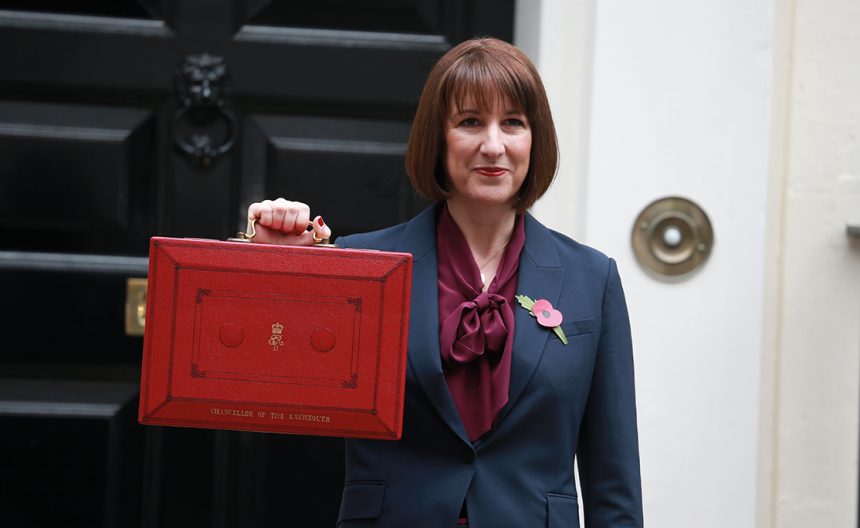
As a Budget expected to be light on good news looms, the coach and bus industry nervously awaits Chancellor Rachel Reeves’ speech on 26 November.
Industry concerns include how taxes will affect operators, whether the fuel duty freeze will be maintained, and funding levels for capital projects and operational costs of bus networks.
However, one economy and transport expert believes that the more concerning time for coach and bus will be later next year if bond markets react badly to the nation’s significant debt load and the government must cut spending in absolute terms.
This may influence the projects set to be backed by the £15.6 billion transport funding package announced in June, which include 1,000 electric buses for Transport for Greater Manchester that will convert Bee Network services to fully zero-emission, support for Liverpool City Region’s bus rapid transit network, and enhancement of Nottingham to Derby connections by bus, road and rail via a “mass transit system”.
Economist and former FirstGroup – UK Bus Managing Director David Leeder says: “I don’t think the November Budget will be the crunch moment for buses or transport.
“I think that starts to come into focus after Christmas: do the markets want to buy more UK Government bonds and at what interest rate?… There is a risk that big spending projects, particularly any which are not at the ‘digging holes’ stage, get crowded out or cancelled, if the UK Government is forced to make emergency spending cuts to placate nervous bond investors.”
Businesses safe from tax rises?
The Confederation of Passenger Transport (CPT), in its Budget submission to the Chancellor, focused on its plea not to increase taxes on businesses – as the government seeks to avoid breaking a pre-election promise not to raise income tax, VAT or employee National Insurance contributions on “working people”.
This follows an increase in employer National Insurance contributions in last year’s Budget, which cost the bus sector £100 million, according to CPT.
Mr Leeder, who is Director of consultancy Transport Investment Limited, says: “I suspect that the government has learned some lessons… I would be surprised if it raised employer National Insurance contributions, which was a big hit to labour-intensive sectors, including buses, again.”
Fuel duty in focus
RHA, which represents the coach and HGV sectors, believes a rise in fuel duty for the first time since 2010 would harm coach operators and has continued its longstanding campaigning for an “essential user tax rebate” of 15p per litre that would include the coach sector.
However, Mr Leeder says he would put up fuel duty on private motoring to support government policy of reducing carbon levels and congestion but suggests that the level of Bus Services Operators Grant – the follow-on from the fuel duty rebate – should be reviewed upwards in compensation.

“When fuel duty rebate was initially introduced in the 1960s, it was set near 100% of the fuel tax, so bus operators benefited from an increase in fuel duty on cars,” says the TIL Director.
“Since the 1990s, it is no longer paid at 100% of the tax. It has been significantly complicated, and places such as London, Manchester, Wales and other franchised areas is no longer received a specific fuel duty rebate.”
Bus is value for money
With Ms Reeves desperately seeking morsels of “good news” to deliver on 26 November, increased support for buses could be seen as a quick and efficient political win, given the relatively tiny sums requested by the sector, says Mr Leeder.
“Buses are good value for money, and buses are used by a wide spread of people, across very broad geographies,” he says.
There is a risk… that big spending projects, particularly any projects which are not at the ‘digging holes’ stage, get crowded out or cancelled – David Leeder
Referring to some of the light rail projects that were given prominence in this summer’s £15.6 billion funding announcement, he says: “Keir Starmer will be in an old people’s home before any of these schemes open, whereas the bus improvements can be brought in quickly.”
However, countering the hope that an announcement of the ilk of the bus fare cap extension in last year’s Budget may be on its way, he points out the government is forced to choose from “thousands” of potential transport schemes waiting to be funded.
Rethink coming?
If there is to be any good news from the Budget, it could be that the government has to re-think the role of private investment into public transport, Mr Leeder adds.
A big advocate of the role of private finance and risk capital, he says: “If there was less constraint on public spending, it would just want to spend more Treasury money.
“The good news inside the bad news is, I think, that this constraint should encourage the government to reconsider how private investors in the public transport industry can help fund and deliver the government’s aims and objectives.”
Local allocations
Although detailed spending allocations are likely to be reserved for the summer 2026 spending announcement, the Budget gives rise to questions around local funding for bus services, especially just weeks after the Bus Services Act gained Royal Assent.
Rebecka Steven, CPT Senior Policy Adviser, says: “The Bus Services Act gives local authorities a new level of responsibility for protecting socially necessary services. But this hasn’t been backed by any specific funding, which risks making these powers largely symbolic.
“CPT is also mindful that a great deal of the capital funding that goes to local authorities isn’t ringfenced – so the industry needs to keep up pressure to make sure money is spent on buses.
“It is essential that a robust process is in place to monitor how bus funding is spent, in order to drive positive outcomes for the benefit of bus users. A pilot scheme is underway to test this.
“And it is vital that we focus on what really matters to passengers – funding reliable buses that go where people want to get to, without being stuck in congestion. That should be the priority, rather than spending too much time tinkering with regulatory models.”