





















Mistral Bus and Coach expects to grow its reach in the funding of battery-electric and autonomous buses thanks to second-life considerations relating to developing charging infrastructure and the way in which autonomous equipment can be removed.
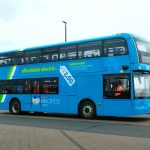
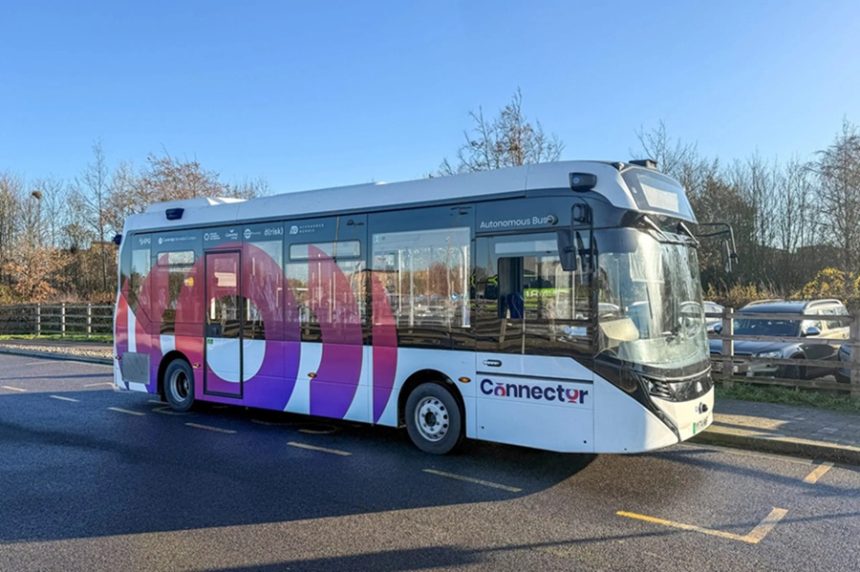
That is the view of Managing Director Steve Low, who was commenting soon after entry into service of the first Alexander Dennis Enviro100AEV autonomous battery-electric small bus for the Cambridge Connector project. Three are due in total.
Mistral worked with the builder, the Greater Cambridge Partnership (GCP) and autonomous technology provider Fusion Processing to deliver what it terms as an innovative finance package for the project. Mistral purchased the Enviro100AEV trio and has leased them to GCP for the duration of the trial. They are operated by Whippet.
Mr Low says it is “inevitable” that Mistral will fund more projects in the battery-electric and autonomous space. “The Cambridge Connector is one of many that we are working on jointly with Alexander Dennis to prove this exciting new concept,” he continues.
“Diesel will still be a major part of the coach and bus industry for many years, and while there is demand, we will continue to support our customer base while being open to the opportunities presented by other emerging technologies.”
In addition to its wider existing funding of zero-emission buses, Mistral has also financed a battery-electric coach. Given the small number of those vehicles in the market so far, that is an early positive, Mr Low believes.
While availability of charging in depots for bus fleets is growing, he is a further industry figure to point at a lack of publicly-accessible high-power infrastructure to support battery-electric coaches as a contributor to modest uptake of those vehicles.
Its customer uses the Mistral-funded zero-emission coach on a regular service and charges it at depot overnight. “While it operates many other coaches, it could not simply redeploy the battery-electric onto a tour, as the likelihood would be that charging points are not available when required,” adds Mr Low.
A combination of unpredictable routing profiles and the lack of public infrastructure thus puts zero-emission coaches “at a huge disadvantage” compared to buses in terms of usability, he notes.
Infrastructure was once a key constraint for a funder’s ability to place battery-electric buses into second life. But that is changing across the UK, opening up new applications if the first user returns the vehicle.
For autonomous buses, removal of the necessary equipment for self-driving can be accomplished easily, Mr Low notes. That would see it return to being a standard battery-electric. When both factors are combined, “that is not a constraint on us funding these projects.”