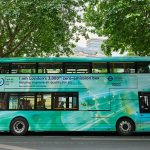


















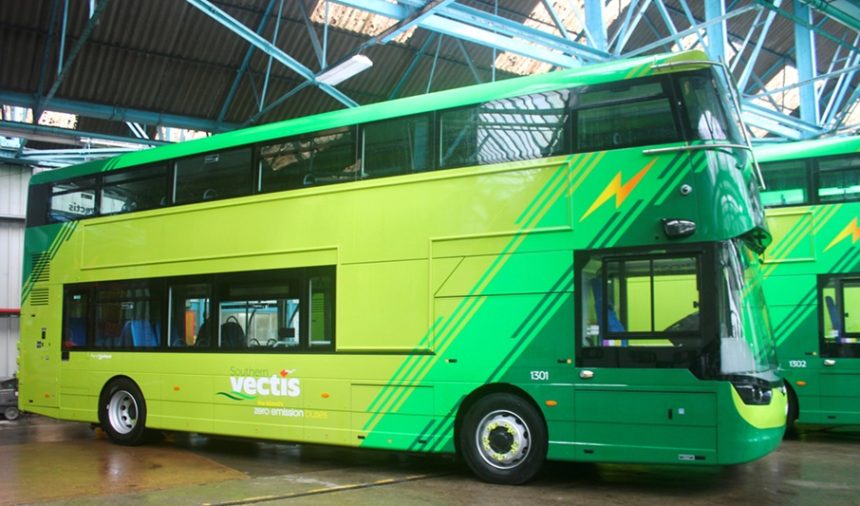
The first Wrightbus StreetDeck Electroliner battery-electric double-decks for Isle of Wight operator Southern Vectis have made their debut.
They are the fruits of a successful bid to the second round of the Department for Transport (DfT) Zero Emission Bus Regional Areas (ZEBRA 2) scheme by Isle of Wight Council, with 22 vehicles initially part-funded followed by a further nine via a supplementary allocation. All of the 31 due are from Wrightbus and service entry will start in the coming weeks.
Go-Ahead Group subsidiary Southern Vectis is investing £10.7 million in the procurement while the local authority is providing £733,000. They are the first battery-electric buses for the Isle of Wight and will run from the operator’s depot in Newport, which has been fitted out with the necessary infrastructure.
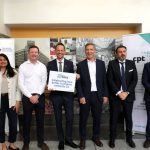
At a launch event on Friday 27 February, travel writer Simon Calder addressed guests along with Wrightbus Managing Director of Sales for the UK and Ireland John McLeister.
Mr McLeister notes that the StreetDeck Electroliners are from the second-generation Electroliner platform. Those are the most efficient battery-electric buses the builder has ever produced, “with class-leading range, charging speed, and battery life.”
Southern Vectis Managing Director Ed Wills adds that collaboration with the local authority on the ZEBRA 2 bid has been important in procuring the first battery-electric buses for the Isle of Wight.
“I am delighted that Southern Vectis is now at the forefront of the nation’s sustainable transport,” says Mr Wills. “Buses are the perfect solution to improving air quality, and I would urge people living here and visiting to use these new vehicles.
“This joint investment between DfT, Southern Vectis and Isle of Wight Council will ensure greener, better journeys for our customers – and have a significant impact on the Isle of Wight’s overall carbon emissions.”
Isle of Wight Council Economy, Regeneration, Transport and Infrastructure Committee Chair Cllr Julie Jones-Evans adds how rollout of zero-emission buses is part of a modernisation of the island’s transport network, with the investment supporting “our wider ambitions for regeneration, sustainability, and a thriving future for the Isle of Wight.”