


















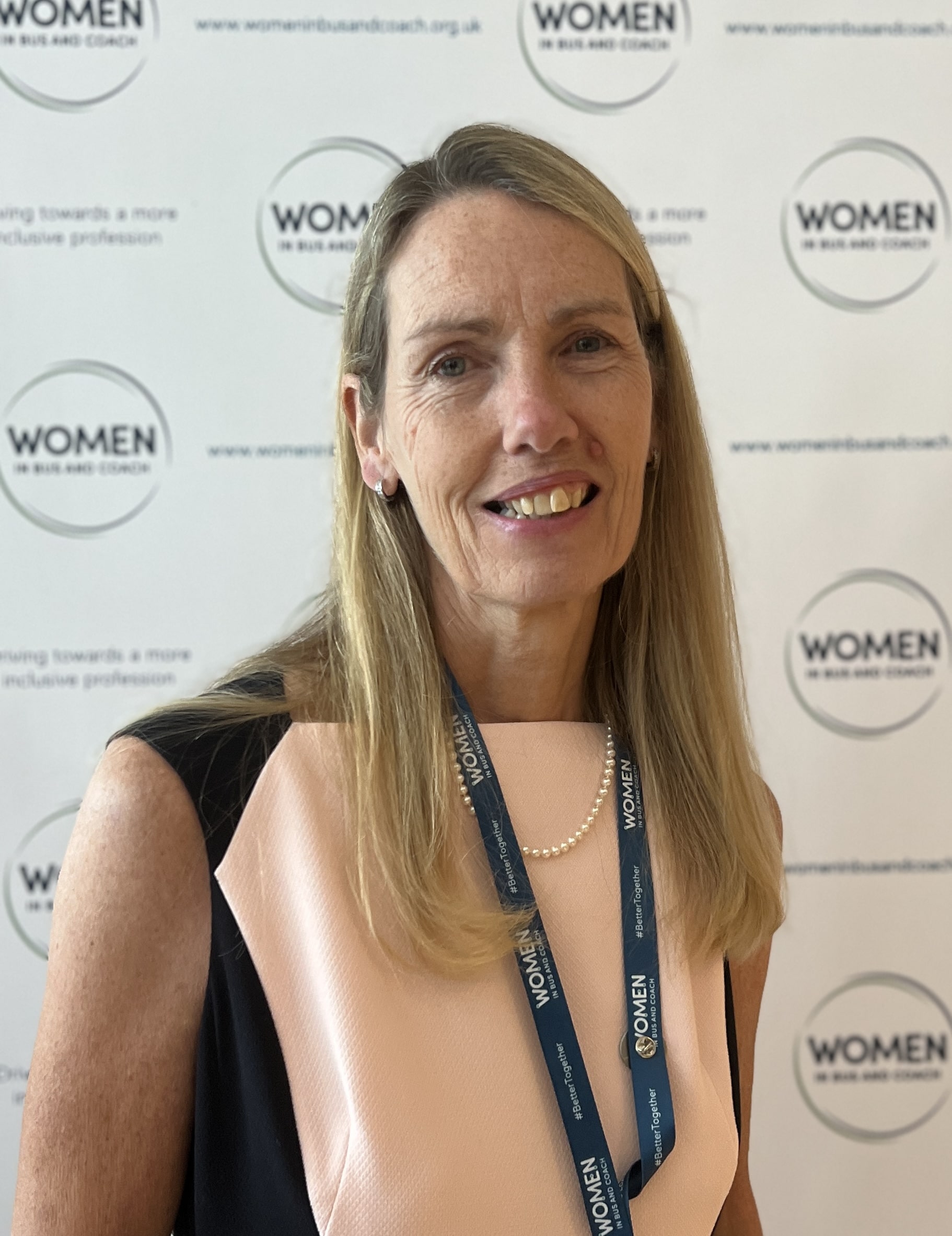

As I prepare to step down as Chair of Women in Bus and Coach (WiBC) three years after founding the organisation, I find myself reflecting on a journey defined by purpose, challenge and real progress.
In 2023, we launched WiBC with a clear conviction: our sector must become truly inclusive if it is to thrive. At the time, women represented less than 15% of the workforce, despite making up the majority of passengers. That imbalance was not simply a statistic; it was a strategic risk for an industry facing recruitment and skills shortages.
My own career path, from leaving school at 16 and later entering transport as a single mother, was far from conventional. For years I was often the only woman in the room. Those experiences were not unique to me; they reflected a broader reality across the coach, bus and community transport sector. WiBC was created to challenge that status quo and provide practical support, visibility and action.
From the outset, we focused on building more than conversation. We established a board with diverse expertise and brought together women leaders and male allies committed to structural change. Our ambition was clear: attract more women into the sector, retain talent and strengthen leadership pathways.
Three years on, I am proud of what has been achieved.
What began as an idea quickly became a UK-wide movement, supporting hundreds of women and working in partnership with operators, trade bodies and community transport organisations. Through mentorship schemes, forums and national campaigns, we have demonstrated that representation matters in practice, not just principle.
Our blue plaque initiative honoured pioneering women whose contributions had too often been overlooked, linking our present efforts to a powerful history. Our Period Positive Workplace campaign tackled practical barriers that affect women daily, reinforcing a simple message: women’s experiences belong in this industry.
Leadership development has been central to our work. Women have stepped forward to speak, lead and support others. The introduction of the Mentee Director role ensured emerging leaders had a seat at the strategic table, demonstrating that meaningful change happens when doors are opened.
None of this belongs to one person. It belongs to every volunteer, member and partner who believed in building a more inclusive sector. Industry support has been instrumental, with organisations committing to recruitment, retention and development goals designed to create lasting change.
Being awarded an OBE for services to transport and diversity was deeply humbling, but it reflects the collective effort behind this movement.
Leading WiBC has reinforced that culture change requires patience and persistence. It is built through listening, shared commitment and a willingness to address uncomfortable truths. I have seen how ready our sector is to evolve, and how powerful progress can be when passive support becomes active change.
As I step down and welcome Laura Hadzik as Chair from June, I do so with confidence. Her expertise and commitment will guide the organisation into its next chapter. This transition demonstrates that WiBC is sustainable and bigger than any individual.
There is still work to do. We must continue improving participation, retention and progression, while shaping workplace cultures that support everyone. But the foundations are strong.
To every woman considering a future in our sector: there is a place for you here. Your voice and contribution are not only welcome, but they are also essential.
The journey continues.