



















The aftermarket division of Birmingham-based heating and cooling specialist Grayson Thermal Systems is now delivering service and maintenance support for over 1,000 battery-electric and hydrogen fuel cell-electric buses across the UK.
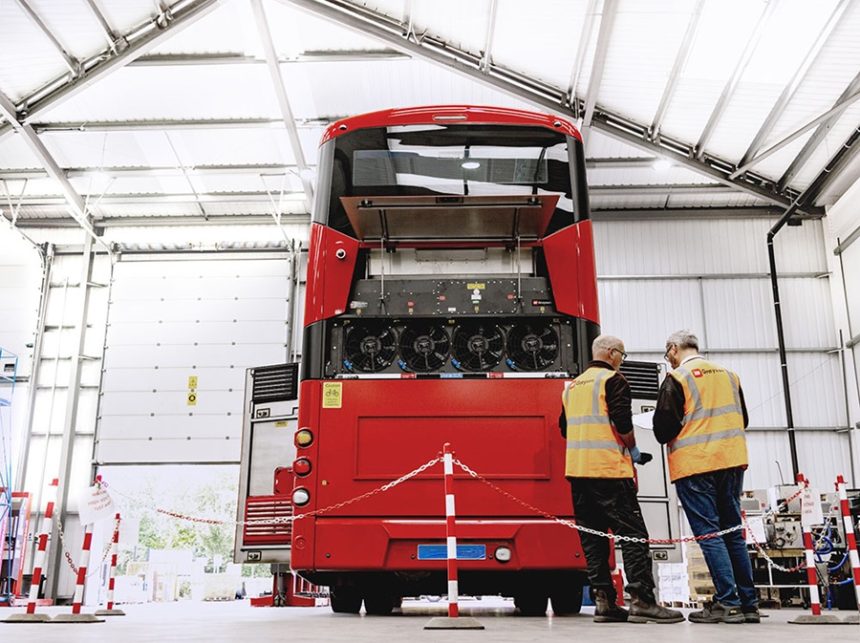
That work sees the supplier handle service contracts for those vehicles that are equipped with heating, ventilation and air-conditioning (HVAC) systems that it has developed and manufactured.
In reaching the milestone, Grayson says that the zero-emission buses form around 23% of its under-contract HVAC servicing portfolio of 4,500 coaches and buses, a proportion that continues to rise as the shift away from diesel is maintained.
Grayson has long supported operators of diesel and diesel-electric hybrid buses and their HVAC and thermal management systems, which it says is a key task to keeping vehicles running efficiently.
Alongside aftermarket activities, Grayson Thermal Systems manufactures HVAC and thermal management equipment for a wide range of bus platforms. Consideration for service and maintenance is built in at the design stage, it says.
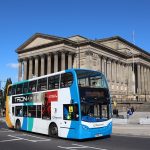
Among battery-electric double-deck products to carry the supplier’s systems are the next-generation Wrightbus StreetDeck Electroliner, and the Alexander Dennis Enviro400EV.
Aftermarket capability for zero-emission types has been “increasingly extended” by the business in parallel with the industry’s transition to battery-electric and hydrogen drivelines, Grayson adds. That has seen investment in specialist tooling, technician training, and electric-specific processes to support high voltage thermal systems safely and effectively.
Such an approach has led the supplier to deliver planned maintenance, diagnostics and system optimisation for vehicles that use those zero-emission power sources across differing duty cycles and climates.
Speaking about the milestone, Head of Aftermarket Leanne Shenton-Smith says: “We are proud that many operators have entrusted us to service and maintain their electric vehicles, and reaching over 1,000 EVs under contract reflects both that trust and the pace of change across the UK bus sector.
“It is encouraging to see operators taking a proactive approach to maintaining the performance and longevity of their fleets through regular servicing of thermal management and HVAC systems.
“As is often the case, prevention is better than cure – particularly with electric vehicles, where these systems have a direct impact on efficiency, range, and reliability.
“Unlike diesel vehicles, poorly maintained systems can reduce range and place strain on temperature-sensitive components such as batteries, while even minor issues such as blocked filters can increase energy consumption and lead to avoidable downtime.”
Ms Shenton-Smith adds that HVAC systems are vital to maintaining a comfortable environment for drivers and passengers. She notes how the milestone “highlights the important role that UK engineering plays” in supporting the zero-emission transition.
“By working closely with operators, we help to minimise preventable issues, reduce downtime, and minimise total cost of ownership.”