


















Optibus has unveiled what it describes as the first AI agent designed specifically for public transport operations, with the technology intended to support planning, scheduling, dispatch and real-time service management.
The software supplier says the new Optibus Agent is embedded throughout its platform and is designed to help operators and transport authorities make faster decisions, improve efficiency and respond more effectively to operational challenges.
Optibus notes that growing operational complexity — including driver shortages, network changes, vehicle deployment and the transition to zero-emission fleets — is increasing pressure on planning and operational teams.
The company says its AI-powered tool is intended to help bridge the gap between service planning and day-to-day delivery.
Amos Haggiag, CEO and co-founder of Optibus, says: “Optibus is taking an AI-first approach to public transportation, and the launch of Optibus Agent marks a new era for our users.
“With AI integrated into every layer of the platform, public transportation professionals can perform complex work much faster and make decisions that build far better services. It’s your team’s expertise, multiplied by AI.”
According to Optibus, Optibus Agent has been developed using data and operational experience gathered from operators and authorities across more than 7,000 cities.
It is designed to understand public transport-specific operational requirements and provide recommendations based on individual network needs.
Initial capabilities include support for timetable and duty scheduling, driver allocation, compliance monitoring, control room functions and operational reporting.
In planning and scheduling, the tool can help build duties that align with business objectives, collective agreements and driver preferences, while also assessing route and timetable options against passenger demand.
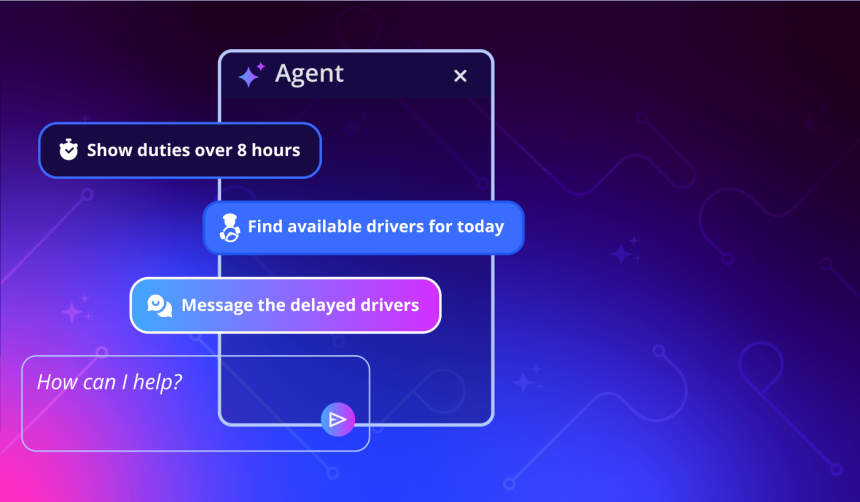
For driver allocation, Optibus Agent can identify suitable staff to cover vacant duties or short-notice absences by analysing availability, qualifications and work history.
The platform also supports compliance checks, allowing users to query driver working time requirements, breaks and overtime limits.
Within real-time operations, users can locate vehicles, review live service performance, send messages to drivers and receive suggestions on how to respond to disruption, including vehicle reallocation and service diversion options.
Optibus adds that the technology can also provide operational insights, enabling users to interrogate data, track activity and understand scheduling outcomes through natural language queries.