





















The newly published Integrated National Transport Strategy document contains positive news for both coach and bus, but its implementation will be key
The long-awaited publication last month of the government’s Integrated National Transport Strategy has been welcomed by the industry. Not since John Prescott’s A New Deal for Transport whitepaper in 1998 has the government attempted to lay out a blueprint for making different modes of transport in England work more cohesively.
While it is recognised that the list of 40 commitments in “Better Connected” contains positive elements for coach and bus, the work so far is less than half the battle and the industry will be keen to see that it is delivered.
Arguably the most notable inclusion is technical support and funding for the roll-out of a solution to help operators and authorities implement multi-operator and multi-modal ticketing.
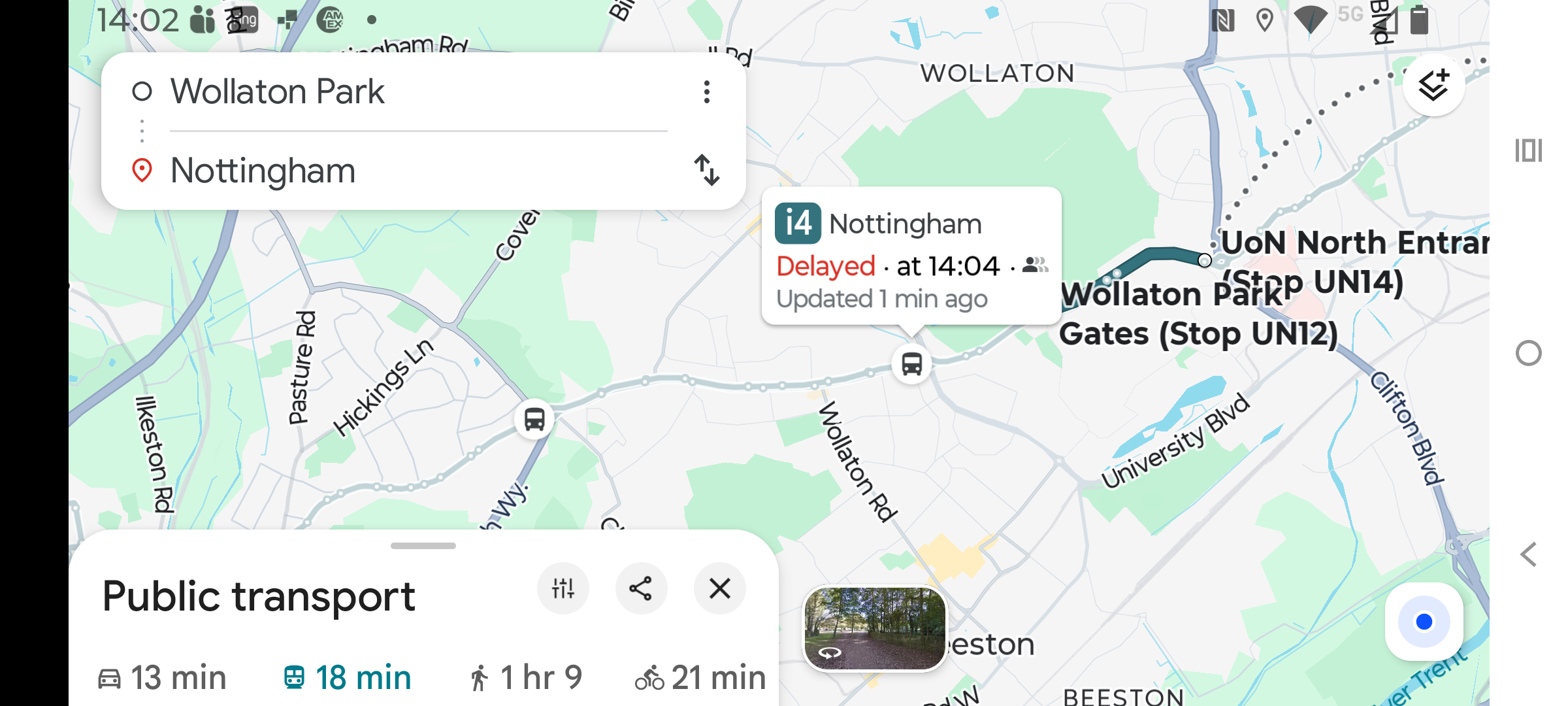
Making the most mainstream news headlines was the deal with Google Maps that enables passengers to track buses in real time for 80% of services outside London, with the network in the capital already benefiting from that.
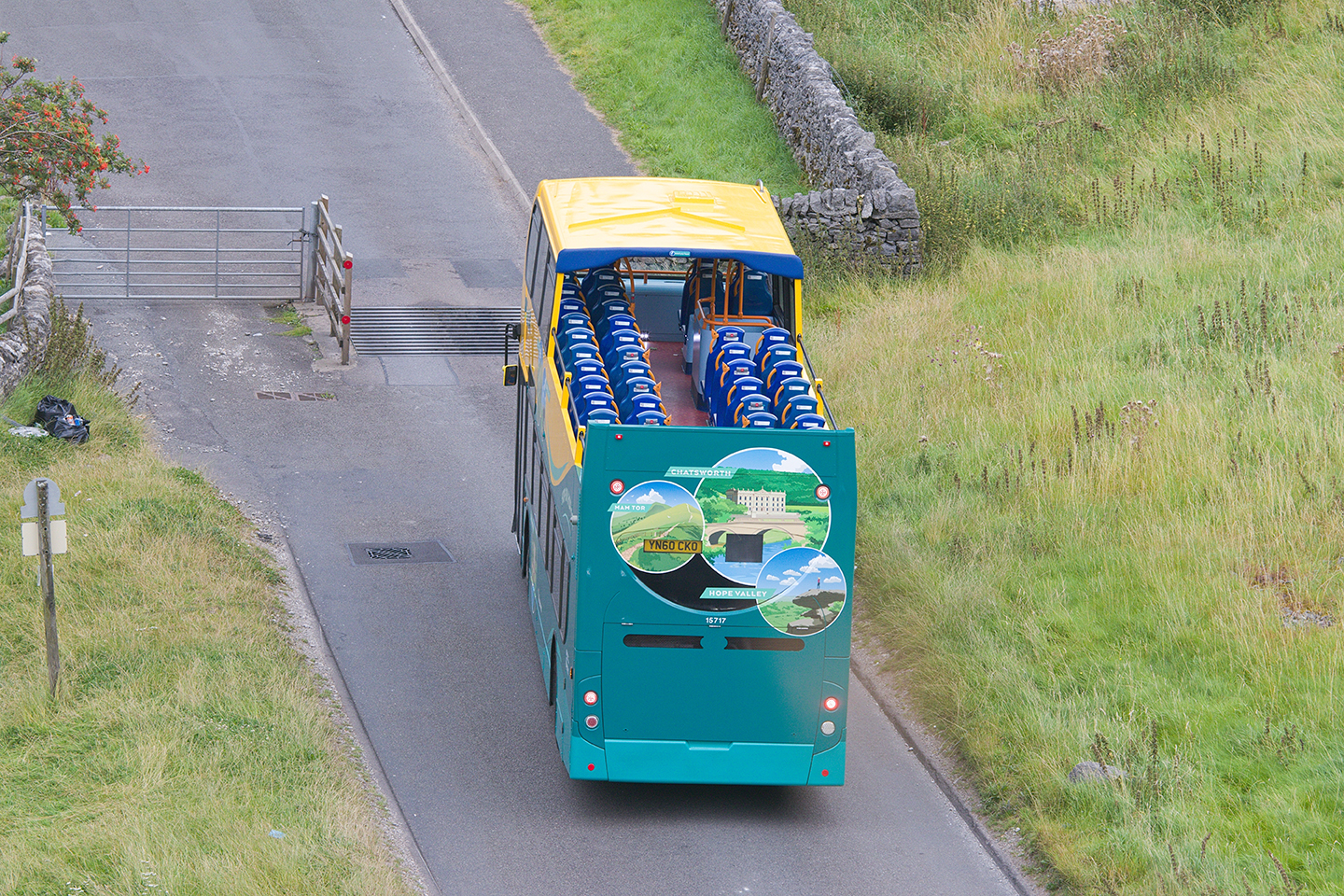
The government also announced £6 million funding for the “Mini-Switzerland” pilot in the Hope Valley in Derbyshire, which was featured in the April issue of routeone.
Crucially, it contained good news for the often-overlooked mode of coach. The document laid out that guidance on Local Transport Plans will now require local transport authorities to consider appropriate provision for coaches and their passengers when forming those strategies.
Overall views on the Integrated National Transport Strategy
Alison Edwards, Confederation of Passenger Transport (CPT) Director of Policy and External Relations, sees positives in Better Connected when viewed as a whole. “What’s really great about it is the vision is good,” she says.
“The importance of coach and bus travel is pretty clear within it. CPT worked really hard to make sure that coach was recognised as an important part of the transport mix, so the fact that it is and the fact that that’s also been carried forward into the Local Transport Plan guidance is really important and that’s a big step change.
“The other thing that we were looking for in terms of that overall vision was a transport hierarchy with active travel and public transport at the top and, while it’s not explicitly referenced as a hierarchy as such, it does in places make it clear where it’s feasible – for example, particularly in those urban, densely populated areas that active travel and public transport should be prioritised over the car, so I think there’s a really good groundwork laid for some more formal thinking about a sustainable future for transport.”

Max Sugarman, Chief Executive of Intelligent Transport Systems UK, adds: “Having a joined-up integrated transport strategy is something we’ve been pushing for. So we’re very pleased just to have it come out. I think it sets a good strategy of what they want to do.
“It gives the different scenarios of urban environments, semi-urban, suburban and rural environments, and it gives ideas for all of it. But the main thing that we’re pretty pleased with is that technology has shone through quite a lot of it.”
Having a joined-up integrated transport strategy is something we’ve been pushing for – Max Sugarman
As for what may have been wished for but wasn’t included, Alison adds: “In an ideal world, there would be more in there about local authorities being held to account to deliver it, [something] a bit more concrete.
“It talks about improving bus punctuality, but I think it could have gone further in talking about how that happens, and how that happens is improving bus priority… It doesn’t talk about encouraging a move away from the car. That’s not surprising. But it would have been nice to see that extra step.”
Max adds: “There’s always the question of what’s not in it. And I think it was pretty clear from the outset that they weren’t going to have a huge stream of new funding… It’s always important to get more funding and we would say, as an industry association, that some of these things need greater funding.”
However, Steve Broadley, UK and Ireland Lead at mobile pay-as-you-go ticketing provider Fairtiq, believes the government should have been bolder in outlining a best-practice payments strategy, rather than opting to give authorities plenty of choice. He says: “I think they were quite insular. They didn’t really look outside the UK to what’s happening in Europe. I think they really sat on the fence a bit and could have said, ‘This is the best way of doing an integrated multimodal strategy.’”
Multimodal ticketing a key part of the Integrated National Transport Strategy
Alison welcomed that support with integrated ticketing, which she says should see Project Coral in operation in the West Midlands over the next 12-18 months, eventually being available to all city regions by 2030, allowing for multi-operator capped-fare, contactless payments across bus, rail and tram.
This would particularly well suit authorities which have franchised bus services but could also be taken up by those with Enhanced Partnerships.
Robert Williams, Chief Executive at Reading Buses, which is part of a multi-operator ticket scheme, believes Project Coral is vital, because providing for back-office integration between the various suppliers that different operators might use is not something that could be done without government intervention.
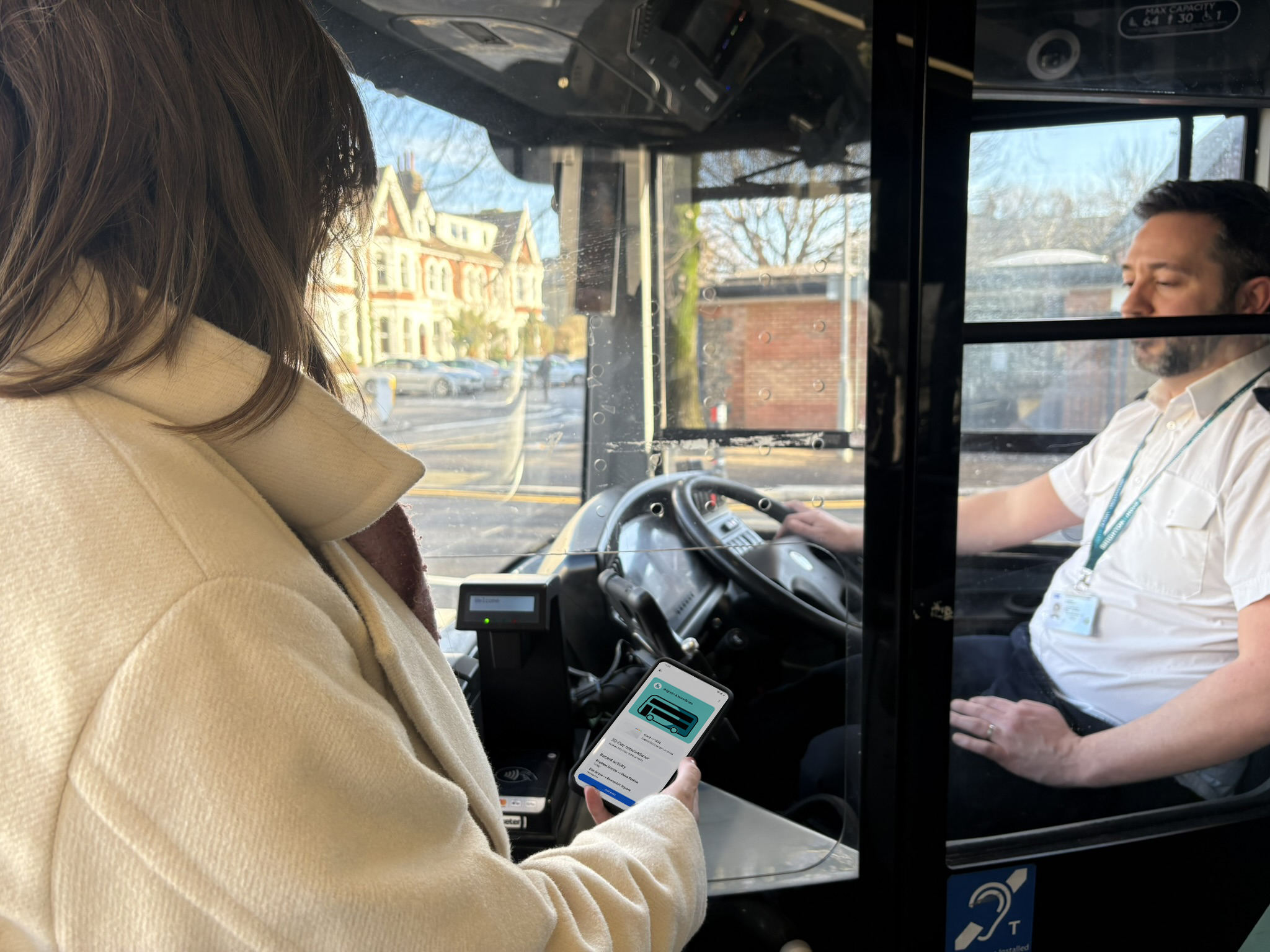
However, while the advantages of multi-operator capped ticketing are clear, Robert adds it needs to be properly funded and that payment zones need to be well thought through.
He says: “It does rely on discussions and having flexibility in each area to do the right thing for the travel market and not just following unilateral guidance that says you must have x, y, or z in a specific boundary that’s not actually aligned to what’s going on in the area.”
He adds there is the danger that multi-operator ticketing can “abstract revenue from some services towards others and then you start affecting the viability of some of those services”.
Delivery is the next, crucial step
Both Max and Alison agree that delivery of the strategy is a significant challenge, the latter saying: “There will be a lot of elements of it, especially with the devolution agenda, where it’s down to local transport authorities to deliver and there’s a bit of a question mark over how [the government] will hold local transport authorities’ feet to the fire to deliver it.
“It doesn’t say much about specifics, whether it’s national or local targets, or how that framework will work. Integrated ticketing, improving bus punctuality, discussions around support for more bus routes – those things cost money and there’s that question mark, given the tight fiscal environment.”
What matters now is how … we make sure that local authorities don’t just pay lip service to it – Alison Edwards
Delivery is particularly the challenge when it comes to the coach elements of the strategy, says Alison, who was pleased to see reference to CPT data on the importance of such transport.
Local transport authorities will need, via their plans, to consider current and potential coach demand, take into account provision for scheduled and non-scheduled coaches, look at enabling coaches to use bus lanes, and engage with trade bodies.
She says: “I don’t want to downplay the significance of getting proper mention of coach, but what matters now is how do we turn that into delivery, how do we make sure that local authorities don’t just pay lip service to it and do proper analysis of the way in which coaches do and could contribute to the transport mix in their area, and the economic and social benefits?”
Mini-Switzerland funding
The Mini-Switzerland pilot is designed to demonstrate how different modes of transport could be better integrated in rural areas. It will need at least five years to prove itself, the project’s architects say, but more than the new £6 million funding will be required to see it through the second year.
Fairtiq, which is headquartered in Switzerland, is the national ticketing provider for that country, which is used as the model for the project. UK Lead Steve says: “This is an exciting pilot that we at Fairtiq fully endorse because we’ve seen how the approach transforms both the usage and popularity of public transport in our home country.”
Other elements of the Integrated National Transport Strategy
Easing congestion is another goal of the strategy and among the mechanisms will be greater use of lane-rental schemes, which are designed to cut down on the time street works are in place.
However, Alison says: “There’s more we could do there to really shift the dial. There are things that could be done with very little finance, like improved coordination with bus operators and priority passage for public transport, alternative arrangements for buses when there are street works and stronger enforcement when it over-runs.”
Robert particularly welcomed the goal to maximise the density of new housing developments around public transport. He also highlights references to improving the accessibility of the public transport network.
“We know the vehicles are accessible, but you’re reliant on the bus stops and the highways infrastructure being right,” he says. “If you’ve got a bus stop that isn’t accessible, why isn’t that in the national database and easy to find?”
Better Connected sets out something the industry has long called for. It establishes the right direction of travel, but, ultimately, a strategy is only as good as its delivery.
The industry will next want to make sure it engages with national and local government to ensure the document does not just sit on a shelf but is implemented to drive positive change for coach and bus.