




















In an early policy that was easy to forecast, Prime Minister Andy Burnham has announced that the bus fare cap for participating operators and services in England outside London will return to £2 from 1 January 2027.
Those who make a living predicting government moves had this change as inevitable for the opening days of Mr Burnham’s administration. Debate over reimbursement will now start. To follow will be decisions among operators about whether to participate.
Funding for the cap in 2027 is £400 million, with Barnett sums above that flowing to devolved governments. Will it be enough? Probably not. Some operators have already hardened their line on staying within the current cap based on what they say is insufficient reimbursement.
The new Prime Minister has made cost-of-living the top priority for his government. It is easy to see how cheaper bus fares are part of that, but the latest cap is another kick down the road for the ever more awkward can of what happens when, or if, money runs out and fares must return to commercial levels or something approaching that.
In a likely only hypothetical situation of the cap expiring at the end of 2027 without replacement, how could it be sold to many customers that a product they have spent five years paying £2 or £3 now costs double, or in some cases much more?
Patronage would be gravely damaged and the ‘programme for buses’ would be left useless. It is inevitable that a bus fare cap of some form will remain indefinitely in England under a Labour administration. But a new colour of government come 2029 could have different priorities and leave the bus industry there in a very awkward spot not of its own making.
Mr Burnham’s comments on the £2 cap for 2027 state that bus links in some rural areas are poor. If he is right, then making them £1 cheaper to use per journey is not going to make any difference to how they are viewed by potential passengers.
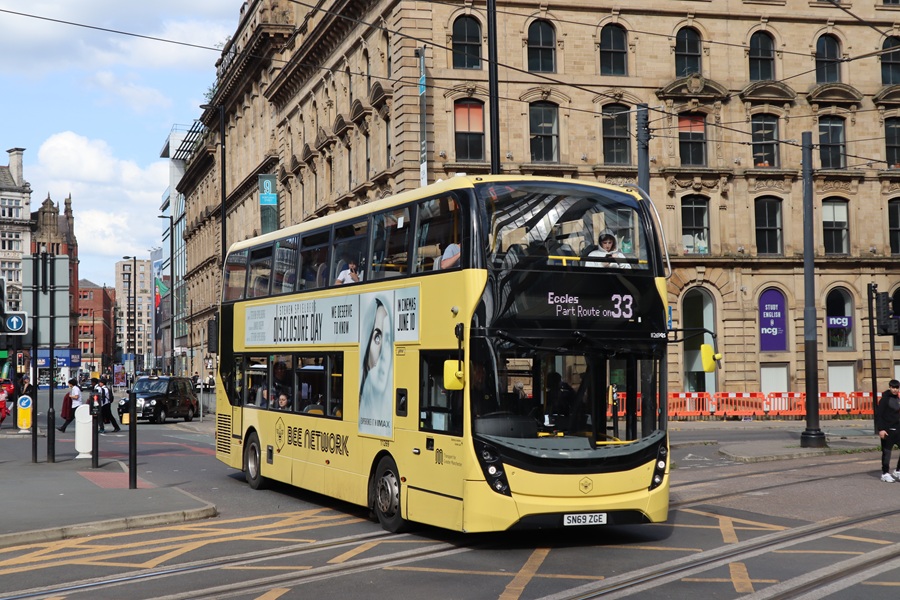
Lower bus fares are an easy, albeit blunt, tool for a politician. Mainstream media shows interest and some good PR is forthcoming. Buses and Andy Burnham go together like bacon and egg; the Bee Network in Greater Manchester was his flagship policy, and it is unlikely that the fare cap is the last we will hear from him on the mode.
Local authorities already have longer-term visibility of funding to improve services, but their ability to deploy it is variable. One such council – a largely rural one where some of its services may well be what Mr Burnham describes – reports a £1 million underspend on transport policy in FY2025/26.
That is due to additional work and time needed to award supported bus service and demand responsive transport contracts, with the additional time factor laid at the door of driver shortages.
Perhaps Mr Burnham might come good on bus in the longer-term. His £2 fare cap for 2027 could be the first of multiple policies that bring real change to the sector as it looks towards the 40th anniversary of deregulation. But fares are only one part of that – as well he very well knows.