




















Cuts by government to the roads budget in order to allocate more money to defence is not likely to float too many people’s boats. An impact on what they can see in front of them to fund something they likely cannot will never be popular, although from Keir Starmer’s point of view it doesn’t matter as he counts down the days to his exit.
Coach and bus has something of a diverging view on roads investment. Major projects make car travel more attractive and sit with the adage that new capacity is ultimately filled anyway, doing nothing for bus services.
The coach industry largely differs. One of its trade bodies – RHA, which has interests in road transport of freight to consider – has firmly advocated against cuts to the roads budget. RHA makes the incorrigible point that a strong defence sector is reliant on a strong road network. Who can argue with that?
Roads cuts aside, revealing that one-third of the additional defence spending is unfunded and will need to be found by whoever holds the red box come this year’s Budget is something of a stink bomb for inevitable next Prime Minister Andy Burnham.
Mr Burnham is already making a lot of noise about how he will, in Manchesterism fashion, do things differently when he leads the country. Mainstream media puts about that greater public control of essential services is coming, largely thanks to the antics of some privatised utilities companies.
In developing the Bee Network in Greater Manchester, Mr Burnham made clear that he sees public transport as an essential service. That should be welcomed; too many previous leaders have viewed it as anything but. Yellow buses are now prominent in the conurbation; not only to the eye, but on a political basis, although given the amount of money that has been forthcoming, so they should be.
The government has been sure to say that increased defence spending will not hit bus services. The £5 billion that must be found from thin air notwithstanding, that looks a reliable statement given the position Mr Burnham has taken on public transport.
Nevertheless, few would bet on any funding bonanza for bus (or rail) in the future. Defence outgoings will need more growth in the longer-term, while pressures in areas such as welfare are no secret.
Continuing to observe so-called “ironclad” fiscal rules and manifesto tax commitments is also on the King of the North’s agenda. If followed through, that makes claims from other parties that a spending extravaganza will be forthcoming post-coronation pretty shaky. The square peg and round hole problem for the country’s finances remains visible.
What transport policy gurus in the new administration could do is look more closely towards express coach services if they wish to plug transport gaps.
Work on the north/south coach link in Wales is progressing, with an order said to have been placed for eight new coaches. That route has proved controversial for some, but the Welsh Government remains committed to it.
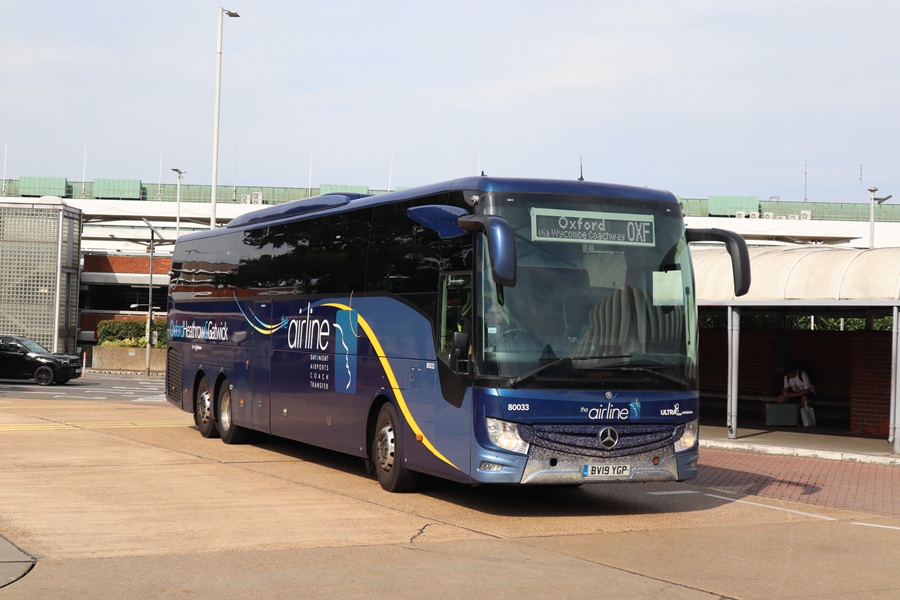
A key point within an earlier assessment of the project was how it “will be resilient to future funding challenges.” Scheduled coach is successful where it is delivered well; services such as the Oxford Tube and multiple airport links illustrate that. The only thing is: they need a decent road network to work with.