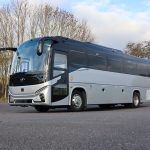






















Dramatic talk of clandestine ‘kill switch’ fitment to battery-electric coach and bus fleets built in China, while no doubt good copy for some parts of the mainstream media, does the wider industry no favours regardless of the bizarre nature of the message being presented.
While a storm in a teacup to most familiar with the sector, the mental picture painted to the general public is far from ideal. How many of those reading such stories know the difference between manufacturers and what is from China and what is not?
A bus is a bus, and a coach is a coach as far as most are concerned. A builder’s name means nothing to someone travelling to or from work or school or on a private hire, but hysterical descriptions of ‘kill switches’ are much more likely to capture their attention.
It remains a mystery how the Department for Transport and its cybersecurity specialists will investigate these matters in Yutong battery-electric vehicles. Where will they get one from to poke around?
Supplier Pelican Bus and Coach and the manufacturer have issued a strong rebuttal of the claims. A more circumspect view of the position is indeed worth adopting. It is no secret that most modern vehicles, and particularly those using battery-electric power, can be reached ‘over the air’.
One driver of such a car cites software updates that occur without warning and leave a trace only via the loss of pre-programmed radio stations. A brief search suggests that more than one car manufacturer can disable its battery-electric vehicles if it wishes to, although only when they are stationary and under exceptional circumstances.
Perhaps key to Pelican and Yutong’s rejection of what has been alleged is Pelican’s point that if an operator really does wish to remove all risk of remote access, they can do so easily by pulling a sim card. On-road functionality of the vehicle is unaffected, something that the dealer says it has tested under controlled circumstances.
The realities also bear a closer examination than babble about ‘kill switches’ has thus far offered.
Why would someone in China – be they a representative of a vehicle builder, from the government or even Mr Xi himself – want to disable a fleet of buses in Newport, Nottingham or North Ayrshire? What benefit is there to doing so other than to preclude realistic chance of doing much further business?
Some parts of the Chinese government may indeed have a very close interest in what goes on in the UK. Strategic infrastructure and political direction are likely among those. Disabling the number 3 to Acacia Avenue and leaving passengers waiting until a replacement diesel bus can be summoned is not. The whole idea is as stupid as it sounds.