




















Significant steps have been taken by the South Yorkshire Mayoral Combined Authority (SYMCA) throughout March and April to lay the groundwork for the rollout of bus franchising from 2027.
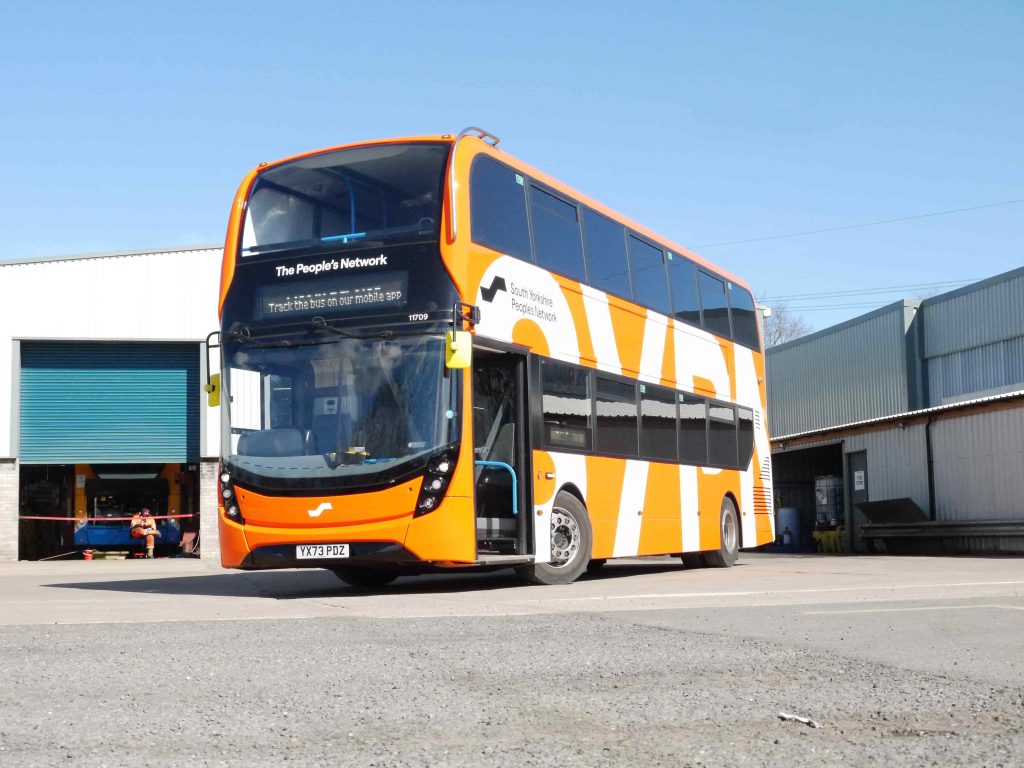
The scope is already impressive. On 12 March, SYMCA launched the procurement process for a fleet of new buses, with plans to switch hundreds of vehicles over to zero-emissions. Not longer after, the new brand and livery they will wear was unveiled — bright orange marked with prominent ‘SYPN’ (South Yorkshire People’s Network) lettering.
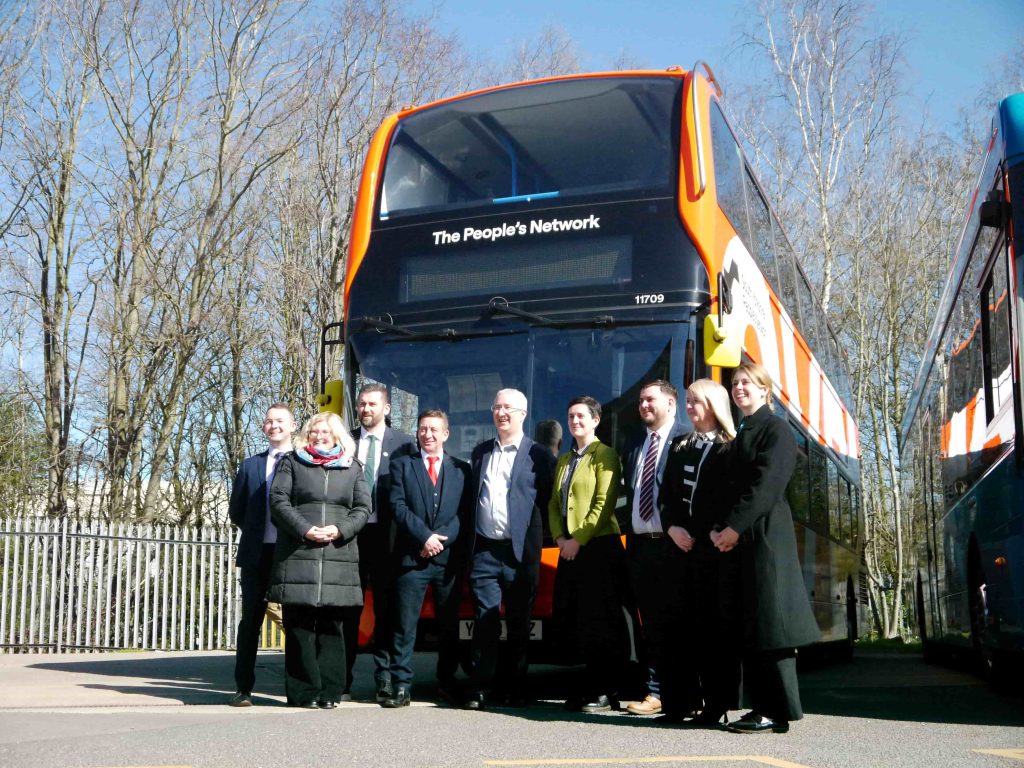
Those buses need homes, so on 26 March SYMCA completed the purchase of five depots from Stagecoach and First Bus in Sheffield, Rotherham and Barnsley, adding to one it already owned in Doncaster, with plans already in place at those sites for enhanced power infrastructure and charging equipment.
On 2 April bidding officially opened for operators to participate in the first phase of contracts in Doncaster and Sheffield.
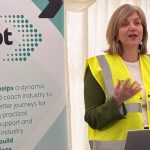
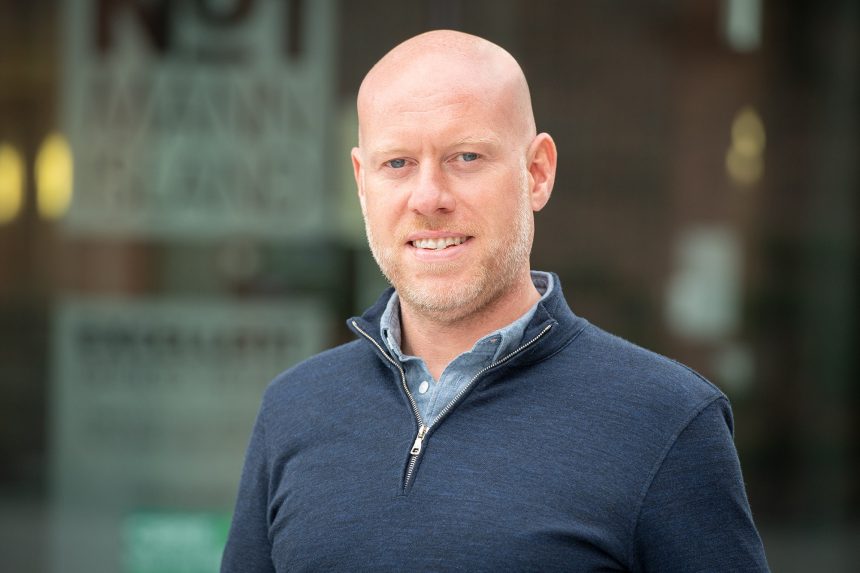
To find out more about what SYMCA hopes to achieve out of its new network, routeone spoke to Matt Goggins, Director of Bus Franchising (pictured, above), the man delivering the programme on behalf of the authority and Mayor Oliver Coppard.
Learnings from Liverpool
Matt joined the team at SYMCA at the end of 2024, the same year that saw the authority take back control of the South Yorkshire Supertram network. He joined having spent nine years with the Liverpool City Region Combined Authority, leading on bus matters, and taking that authority through the first phase of its own franchising implementation. Prior to that, he had spent most of his career at National Express.
SYMCA officially announced that the region was moving to franchising in March 2025. The decision followed a 12-week public consultation with more than 7,800 respondents, 87% of whom supported the plans.
The primary objective now is to deliver the first phase by the stated 2027 date. The opening stage of ensuring a smooth delivery was the purchase of the region’s bus depots. Securing the sites so far in advance of the rollout was a direct response to learnings from other franchised regions, since fleet lead times sometimes take up to a year. Knowing where they would be housed was a vital first step.
Matt reveals there has been extensive engagement with the public, accessibility groups, trade unions, and operators when it comes to the right approach to procurement and specification.
“We’re trying not to load too much on the [2027] date, if we can avoid it,” he says. “This is a massive change for buses and how they run in South Yorkshire and we want to build confidence in that.”
While the structure of ownership is changing, Matt says some things still remain off-limits, at least for the time being. Timetables, for example, are being kept as they are. That comes down to limitations in SYMCA’s expertise, as well as an element of caution around how changes are perceived.
“We don’t understand enough about it,” explains Matt. “We’re conscious of the upheaval and the risk around making changes on day one. We want to make a difference people will notice – the vehicles will be an obvious one – and we want to improve punctuality and reliability. We want to show early improvements in the network, building confidence, while not overpromising.”
Crucial to planning has been a good working relationship with other franchising authorities in England, Greater Manchester being the obvious blueprint. Similarly, conversations with Liverpool and West Yorkshire, the latter of which is facing a similar franchising timescale, are frequent. It was through those conversations that SYMCA learned that securing depots quickly would allow a faster move towards electrification and remove some of the potential risks in the transition.
“Operators are learning as well from their experience of franchise competitions,” Matt adds. “That’s one of the things not always captured. When we run our market engagement, operators are bringing their experience of being bidders into that, so we are able to capture those lessons from the other combined authorities.
“It’s important we have something the operators want to work with, and where they feel they can be successful. We have a lot of respect for them, the job they do and the fact they are businesses. The approach we took fully respects those positions, and that has helped us with the discussions and to understand each other.”
A view to full fleet replacement
Fleet procurement has been a steep learning curve, and the scale of SYMCA’s ambitions is new ground for it as an organisation.
Projections already include 220 new buses for the Olive Grove depot and around 110 for Leger Way. SYMCA wants 70% of new buses entering service in Doncaster and Sheffield from 2027 to be zero-emission, with Olive Grove expected to operate a fully zero-emission allocation in the initial phase of franchising.
Those ambitions stem from a need to address air quality issues, and are a response to Sheffield’s Clean Air Zone, launched back in February 2023. Matt reveals the average age of a bus in South Yorkshire is around 12 years.
“We had to take action to bring that number down,” he says. “We believe replacing the entire fleet is the right approach. Fortunately, we are able to do that to a large extent with
electric vehicles. That was a starting position. Then we needed to work out what it is we need to buy in South Yorkshire – what is it that passengers want?”
A consultation delivered 3,500 responses on that topic alongside engagement with accessibility organisations and focus groups. Discussion has also been had with drivers through Unite. Combined feedback is informing a specification co-designed with industry expertise from operators.
SYMCA is following a framework that begins with a list of the UK market’s current vehicle manufacturers. “Before we launched the tender, we had engagement with all the manufacturers on that list,” Matt says. “We wanted to understand what their products were, the development pipeline, and what the real world experience of buses was. That has helped shape the tender put to market.”
At time of writing, SYMCA says it hopes to select the preferred manufacturer imminently. It can already reveal that the specification includes additional space for wheelchair users and buggies, and enhanced audio-visual announcements.
SYMCA will own the buses used within the franchised network just as it has acquired the depots — at least for the “main” contracts, as Matt puts it. There will be six of those contracts in South Yorkshire financed primarily through the Transport for City Regions fund, earmarked to support fleet and depot acquisition. Further funding has been secured from the Department for Environment, Food and Rural Affairs to support the electrification of Holbrook, and a further £33 million will support electrification at the Olive Grove depot. Buses will be handed over to the successful bidders via a peppercorn lease, to be returned at the end of the agreement, having been maintained by the operator in the meantime.
Trams and buses
While other franchised regions have set out plans for bus rapid transit (BRT) as part of ambitions, Matt reveals there are no plans for anything similar as part of South Yorkshire’s immediate plans. The reason for that being how BRT is usually considered alongside the potential for a tram network in those regions. South Yorkshire already has its own tram system and much of the focus by SYMCA is on renewing that and expanding it to reach more areas.
“This is one of the big reasons why we’ve taken the decisions we have done over the last couple of years,” Matt says. “One is to franchise bus, the other is to take tram in house. We feel there’s a real opportunity to integrate those two models in a much better way,”
Frustratingly, buses and trams are competing for the same passengers at the moment – not a great outcome from a public transport system perspective. “They operate with different brands, strategies, and ticketing systems,” explains Matt. “They’re competitive, not complementary. We’d much rather be in competition with people who have the option to drive a car. A full feeder system is not realistic, but we can start to make changes that make journeys more logical, better connect buses and trams, and take away the choice being about price and not connectivity.”
Integration and employment
As an incumbent but also potential bidder, Stagecoach played a part in the engagement phase for franchising in South Yorkshire. As well as providing feedback there, the company is also an operator in London, in Manchester, and has succeeded in the franchise bidding process in Liverpool, so is actively contributing to many mayoral combined authorities that have made or are making franchise decisions.
Matthew Kitchen, Managing Director of Stagecoach South Yorkshire at the time of the depot handover, says one of the biggest learnings for operators is the impact that franchising has on staff.
Speaking specifically on Holbrook, he notes that many of the staff that came to work there did so because of a desire to work specifically for Stagecoach. “Under franchising, they could then find themselves working for another company,” he points out. “We of course want to run Holbrook depot in September 2029, but if we are not a successful bidder, there will be a complicated process to remove that uncertainty.”
Matt acknowledges this. “We understand that uncertainty and the fact it is potentially unsettling for the workforce that they may not know who it is they are going to be working for in the future,” he says. “There are practical underpinnings to that. Drivers and engineers would have a right to transfer to the new employers. In terms of certainty of a job and continuation of conditions, there is an underpinning to that, but this is the type of thing we are talking about with Unite as well.”
More broadly, Matt says franchise procurement is being safeguarded through a conscious decision to work with operators that share SYMCA’s values and treat their workforce well. “That is just one of the factors in how we are approaching procurement,” he says. “We will be asking questions in relation to how operators approach industrial relations and how they align with the values of South Yorkshire and SYMCA.”
The logic behind franchising
For Matt, success is a matter of scale. “There is a network issue that we need to resolve,” he says. “The South Yorkshire bus network is about 40% smaller than it was 10 years ago. When we’re looking at what we need public transport to do for the region, that needs to shift.”
Patronage targets are also being fleshed out in the region’s local transport plan to address a long-term decline in ridership. “I think that’s due to a mix of things. Issues of punctuality, the network being smaller than it used to be, and this year in particular, the shift away from a £2 to a £3 fare cap.
“There are some things we will address by franchising. By renewing the fleet, that will help. But as important will be what we then do once we have local control. How we get buses quicker on the highway. Franchising will have an element of improvement through new vehicles. But it will need to be much more than that.”