





















Totalkare outlines the top considerations for workshop staff when it comes to safety
Every good business makes safety a priority.
But for workshops and fleet operators, it’s their number one focus — especially when you’re dealing with the heaviest vehicles and the heaviest equipment.
So, if you’re setting up as a brand-new workshop (or you need a refresher to update your practices), these are the main areas that need your attention:
Visibility
With the largest vehicles and the largest equipment, it might seem like visibility is a given in the workshop.
But the biggest equipment comes with the biggest risks — and you can’t leave anything to chance.
So, when you’re planning your workshop and installing new kit, make sure you’re thinking about the following with regards to safety:
- Signage — to warn people of hazardous areas with high-risk activities.
- Markings — such as high-visibility floor strips around vehicle pits and lifting areas.
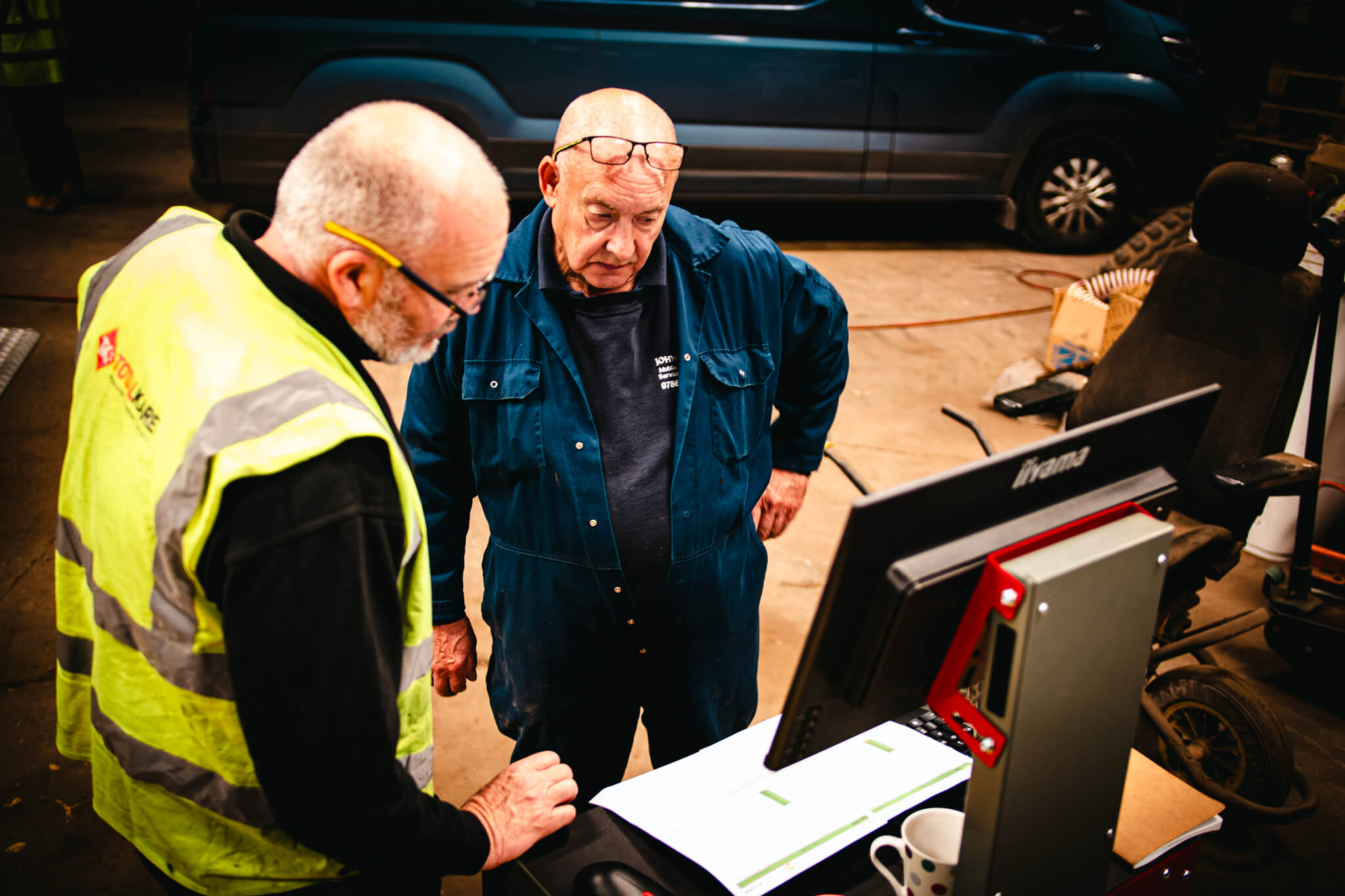
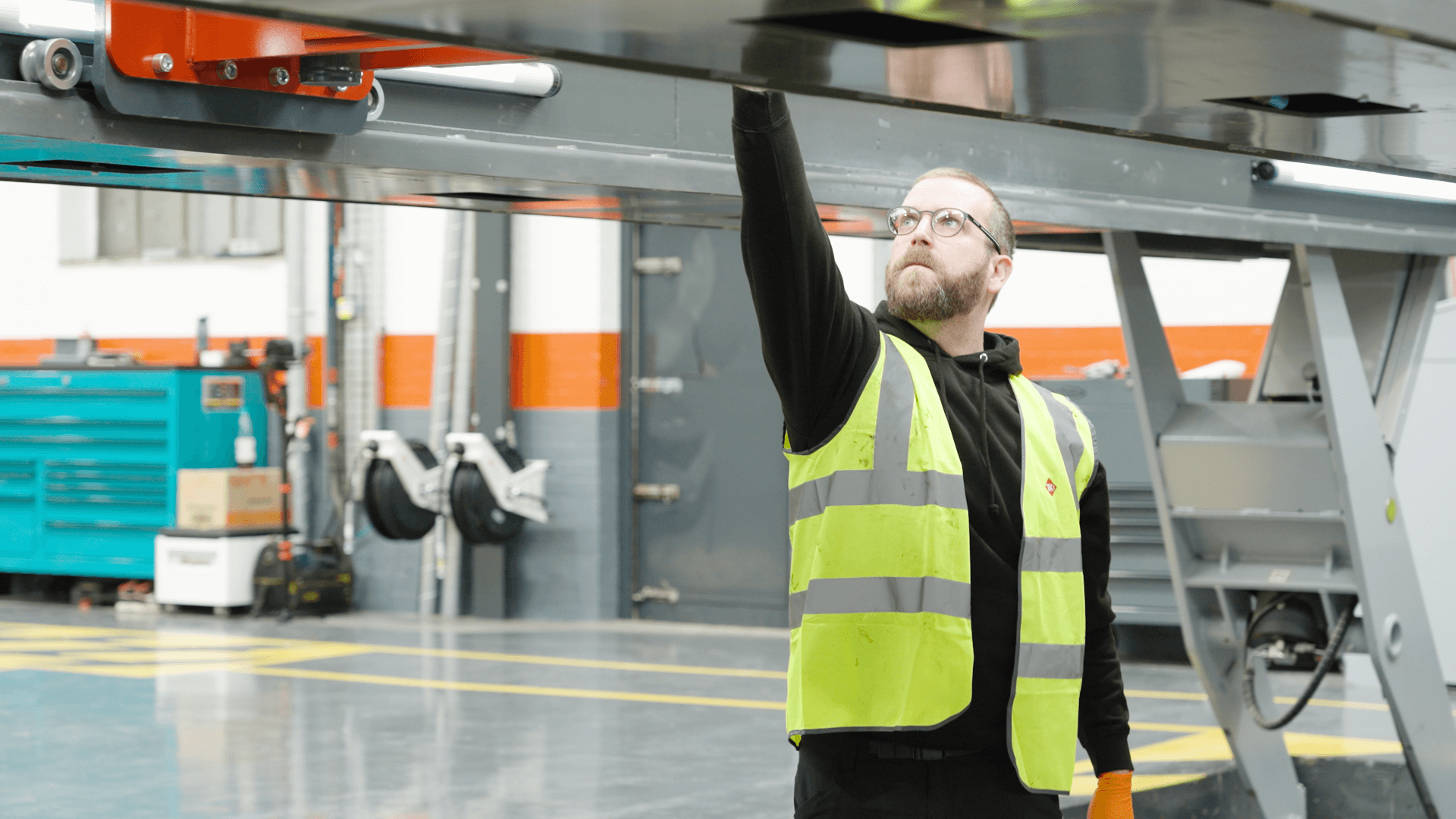
- PPE — such as high-visibility clothing.
- Layout — are there places with blind spots, or equipment that’s obstructing the view?
- Lighting — does every workstation have enough light for the tasks to be safe?
Each one of these is a relatively small tweak to your workshop (and relatively low-cost). But the impact they have on the safety of your teams is huge — and they should never be neglected.
Training
It’s easy to focus on specific training for individual jobs — how to safely use vehicle lifts, or how to handle dangerous chemicals. With big-ticket equipment and heavy-duty work, the risks are obvious, and so is the need for training.
But the smaller risks are important, too. And they deserve the same attention.
So, as well as training your teams on individual bits of kit, you need to be thinking about:
- PPE training — how and when to use everyday protective items.
- Manual handling — how to safely lift and carry heavy objects.
- Electrical safety — the risks of working with electrical power, and how to prevent a shock.
- Common awareness — avoiding trips and slips, and avoiding vehicle traffic.
Some areas will need intensive training with a hands-on approach. But some types of training (like our Mobile Column Lift training) can be completed with an online course — helping your teams save time and your business save money.
PPE
Personal Protective Equipment (PPE) is essential for every area of workshop life — from high-vis clothing and hard hats to everyday goggles and gloves.
But it’s not enough to simply stock up on PPE and call it a day. You need to be sure that your teams:
- Have easy access to the PPE they need — stored close to the jobs and tasks that need it.
- Have the knowledge and training to use them — reinforced by a company culture of safety.
- Have up-to-date and well-maintained equipment — with backup PPE stored on-site.
Clean spaces
Despite all the heavy machinery and vehicle traffic moving through a workshop, slips and trips are still one of the most common causes of safety incidents.
Luckily, they’re also one of the easiest incidents to avoid or reduce — and it starts with keeping a clean and organised workplace.
That usually means thinking about:
- A generous workshop layout — keeping workstations separate to allow for foot traffic.
- Accessible storage to keep items out of the way — like a modular Service Pod.
- Fluid management tools to reduce spills and leaks — such as hose reels and fluid drainers.
Maintenance
A workshop is only as safe as the equipment inside. And, with so many heavy-duty tools in use, you need to be sure your equipment is in the best working condition — for both your teams, and your bottom line.
In many cases, damage or wear to workshop equipment isn’t visible until it’s too late. Even the highest-quality equipment can develop stresses and fractures with heavy use over time. And without the right checks and maintenance from a qualified technician, that damage could lead to a serious incident.
That’s why lots of workshops choose an ongoing service contract for the equipment they buy. With regular scheduled visits from a certified engineer (and a Report of Thorough Examination to back it up), you can put your equipment through the most rigorous use — with full confidence that your kit is the safest it can be.