The digital wallet might make mobile tickets a harder sell, but smart operators are taking a multi-pronged approach
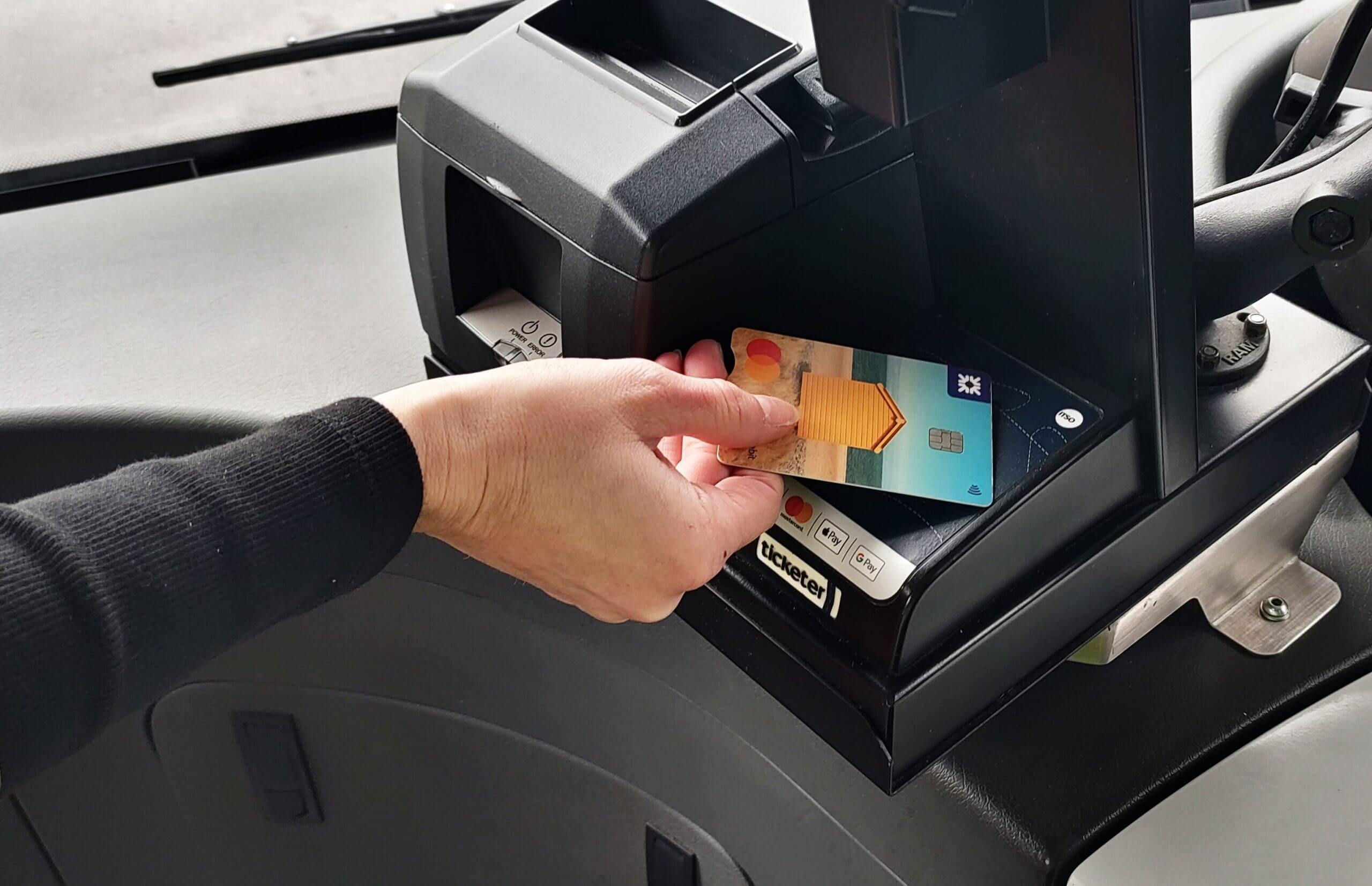
The ease of contactless payments has undoubtedly been positive for the bus sector, speeding up boarding and making the mode a more convenient choice for the public and, with that as an option, the case for e-ticketing is a harder one to make.
After all, buying a single ticket in advance and then having to validate the ticket once on board is introducing an extra step for the passenger.
The advance of tap on, tap off (TOTO) – set to become more common if efforts to push multimodal or multi-operator ticketing are successful – is another factor in the equation.
Yet, there are benefits of e-tickets for both customer and operator. Further, the latest technology means the benefits of both contactless and mobile ticketing can be enjoyed at the same time.
As routeone has found, smart operators realise they do well to offer maximum choice to their would-be customers.
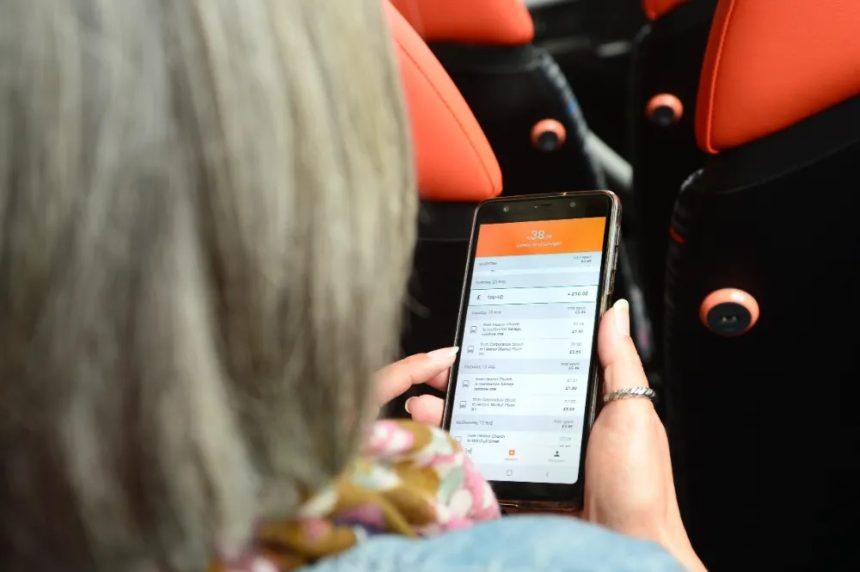
Passenger, which supplies bus e-ticketing technology, has added support for contactless journeys. What this means in practice is that travellers can register their payment card in the operator’s app.
That way, they can buy the ticket in real time but still see their payment history and export receipts in the same app that provides journey planning. It also allows the operator to notify the passenger when they have reached their capped fare, telling them that every journey will be free from that point on.
Passenger Chief Executive Tom Quay says that effectively bringing contactless and mobile ticketing accounts together is great for both customer and operator.
“Contactless is fairly anonymous from an operator’s perspective,” says Tom.
“Operationally, they don’t necessarily know who is travelling, when they’re travelling and how best to help them.
“With mobile, there’s a lot more opportunity to understand who those people are and how best to serve them. The smarter operators are bringing those two things together because there are really good use cases for both.”
The lack of a paper ticket can be off-putting for some passengers who like to be sure what they are paying, so Passenger’s approach combats that.
Offering choice
Customer choice is an important consideration. Reading Buses has been one of the operators using Passenger’s technology.
Its Chief Executive Officer, Robert Williams, explains his philosophy around ticketing options as: “We want to take people’s money in whichever way they want to give it to us, so we don’t really want to rule anything out.”
Some passengers will like the security of having a ticket in their hand before they get on and not having to interact with a driver – Tom Quay
Ryan Scott, Operations Manager at Stephensons of Essex, agrees: “Like other operators, we’ve seen a massive increase in contactless and app payments, but we’ve also seen a steady amount of cash.
“Our view is we don’t want to deter anyone, and we want to give them freedom as to how they pay.”
Speed and security
Speed of boarding is an obvious consideration, though, and Robert says a pre-bought ticket on the app may be marginally quicker than TOTO due to some customers not quite being ready to tap off when they leave the bus.
Ryan agrees that app purchases are quicker than contactless and feels they are also more secure for the operator. “They are harder to defraud because the protection of the ticket is becoming more and more advanced,” he says. “It allows us to cancel the ticket if we get fraud.”
Reading Buses offers a 50p discount on day tickets bought via the app or via TOTO. Robert describes that as a “significant discount” to encourage the move away from paper tickets.
TOTO offers the advantage of better data about where the customer has begun and ended their journey, Robert also notes.
E-ticketing and bus marketing
Apps – whether downloaded to buy tickets in advance, to monitor contactless payment or just to gain real-time information – are an important marketing tool for operators.
“We can send push messages from our app, so if you set up a favourite route, it will notify you if there’s been a problem,” Robert says.
Reading Buses’ app also contains information about local events to encourage people to travel via public transport. The operator also promotes an opt-in marketing newsletter when the app is downloaded.
Attracting young passengers
E-ticketing is an obvious advantage when it comes to attracting a new generation of bus users. They will expect online purchases as an option and, in fact, it may even be their default mode of payment.
“What we’re designing for is the next generation of bus users,” says Tom, who adds that the “phone is where their lives are”. He adds: “So we need to be there as well as an industry. We need to make sure that we capture them young.”
However, TOTO is thus far not a solution for children due to the payment card not being able to distinguish between an adult and child fare. Robert highlights that it would be a benefit to have age data programmed into debit and credit cards.

Nevertheless, Tom notes that the option for a parent to buy a bus ticket in advance for a child is a useful feature of e-ticketing.
Perhaps surprisingly, both Sanders Coaches Business Manager Martin Sanders and Tom referred to another type of customer for whom e-ticketing is a preference – those who shy away from human interaction.
“Some people are put off from using a bus because they don’t want to have that interaction with a driver… other people enjoy that interaction with the driver,” says Martin, whose business is about to start offering mobile ticketing.
With mobile, there’s a lot more opportunity to understand who those people are and how best to serve them – Tom Quay
Tom concurs: “Some passengers will like the security of having a ticket in their hand before they get on and not having to interact with a driver and have a bus full of people staring at you while you ask questions of the driver.”
Sanders Coaches makes the move
Norfolk-based Sanders Coaches will launch its own app selling mobile tickets in the new year.
Admitting the business has been late to modernise in this area, Martin says: “We’re a tourist destination and people see the buses and the first thing they do is look for an app and we’re not there. In terms of ticketing, it gives people options and it’s about giving more information to the passengers at their fingertips.”

Tom admits that having to usually download a different app for each bus operator can be a barrier. However, Robert feels that having one app working across all companies nationally, as is the case with rail, would be counterproductive.
“We would lose the local information that we’re able to provide,” he says. “We have a separate one even for our Newbury and District and Thames Valley Buses subsidiary companies, because we see that people just want information about their area; they don’t want to have to search a national database to find a bus ticket to travel around Newbury.”
Cash still used
While Stagecoach Midlands in October took the cash payment option away from three routes in Daventry, other operators believe in offering travellers maximum choice.
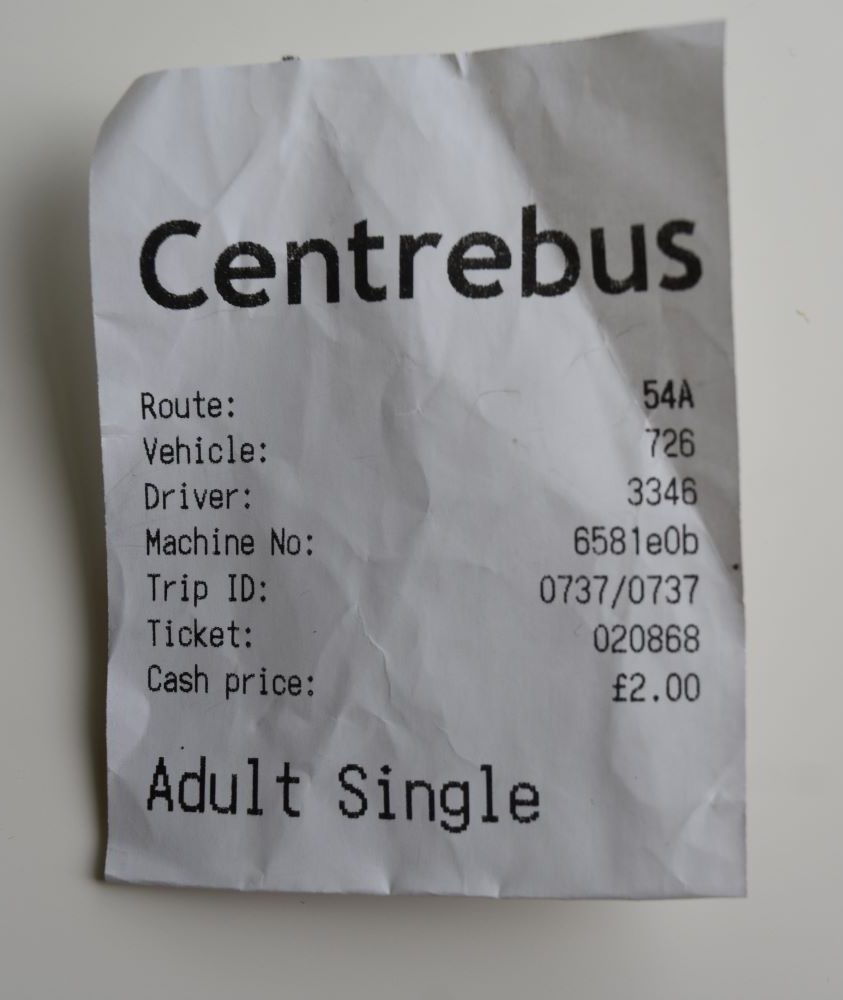
Robert says: “There’s a clear view that some cash is still wanted.” On Reading Buses services, cash accounts for about 8% of ticket purchases. Stephensons’ data shows that 21% of payments were made with cash over the last six months. Martin adds: “We still see a fair amount of cash being used.”
That said, the expression “cash is king” clearly does not apply when it comes to the world of bus fares. “Choice” is king for forward-thinking operators.
While the advance of contactless payments may have given operators more to think about when it comes to the move to mobile ticketing, the days of the paper ticket may be numbered. Operators and suppliers agree investing in mobile ticketing technology will pay off.