





















As Lothian celebrates a century of night services, public funding and moves towards franchising are breathing life into 24-hour bus timetables – despite changing lifestyles
In November, Lothian celebrated 100 years since its nightbus service began. Over the course of that century, nightbus networks have experienced many ups and downs, but they appear to be making a strong comeback recently.
Bus Service Improvement Plan (BSIP) and other types of funding, and franchising have led to the establishment of several 24-hour services this year.
It is not just the big cities that have been fortunate in this regard, but smaller areas, such as Weston-super-Mare and Shrewsbury, have benefited from the revival.
The fortunes of Lothian’s nightbus network over the years mirror the changes in demand for nocturnal public transport more generally throughout the country.
In 1925, just six years after Edinburgh Corporation’s transport department was founded, two winter-only services from Leith Walk to Bruntsfield and Salisbury Place to Ardmillan were launched for shift workers. Services were extended in 1930 but then suspended for the War in 1939.
After being re-established in 1946, by 1955, Lothian’s nightbus network had grown to six routes and carried 400,000 passengers annually. However, that was followed soon afterwards by the increasing popularity of the private car, and the relentless bus patronage decline also hit night services.
The reaction to that was to revamp the network. Lothian Head of Commercial Keith Finlay, in running through some of the key turning points in the 100 years, says: “The introduction of circular routes in the 1960s was quite interesting in that it started to get to grips early on with the phenomenon of starting to lose patronage to the private car and finding ways of maintaining an efficient and affordable operation.”
Fewer people are out in general, and the people who are out are out for slightly less time – Keith Finlay
Although shift workers had been the typical customer, that changed in the late-1970s. Keith says: “The licensing laws changing in 1977 was probably the first point where you saw the shift from purely worker-oriented to more socialites and late-night drinking.
“As you move through the 2000s and 2010s, that’s still very evident.”
However, the most significant moment was probably the 2002 “Night Buses” rebranding and network revamp, says Keith. This saw the circular services replaced with linear routes more akin to those of the daytime. A red ‘N’ prefix was introduced to routes as tickets offered unlimited travel across the night for £2.
“The company at the time made the decision to take on what would probably be described as an ailing nightbus network and breathe new life into raising its profile significantly,” adds Keith. The result was an increase in annual patronage from 100,000 to 750,000 in just six years.
According to Keith, the introduction of contactless and capped fares in 2019 have been in favour of nightbus patronage as it meant late-night revellers did not have to worry about having cash for their journey home.
The nightbus and waning nightlife
However, changing lifestyle habits, especially since the pandemic, forced the municipal operator this year to revise the network, thus ensuring the service can feasibly run into a second century.
“Fewer people are out in general, and the people who are out are out for slightly less time,” says Keith.
“There are probably two reasons for that – one is a cost-of-living crisis and the other is a general trend for young people to drink less, and the changes in societal habits have all contributed.
“I’d say there’s also more of a shift post-COVID where people are drinking more locally rather than coming into the city centre, and this means their journey is less likely to involve public transport.”
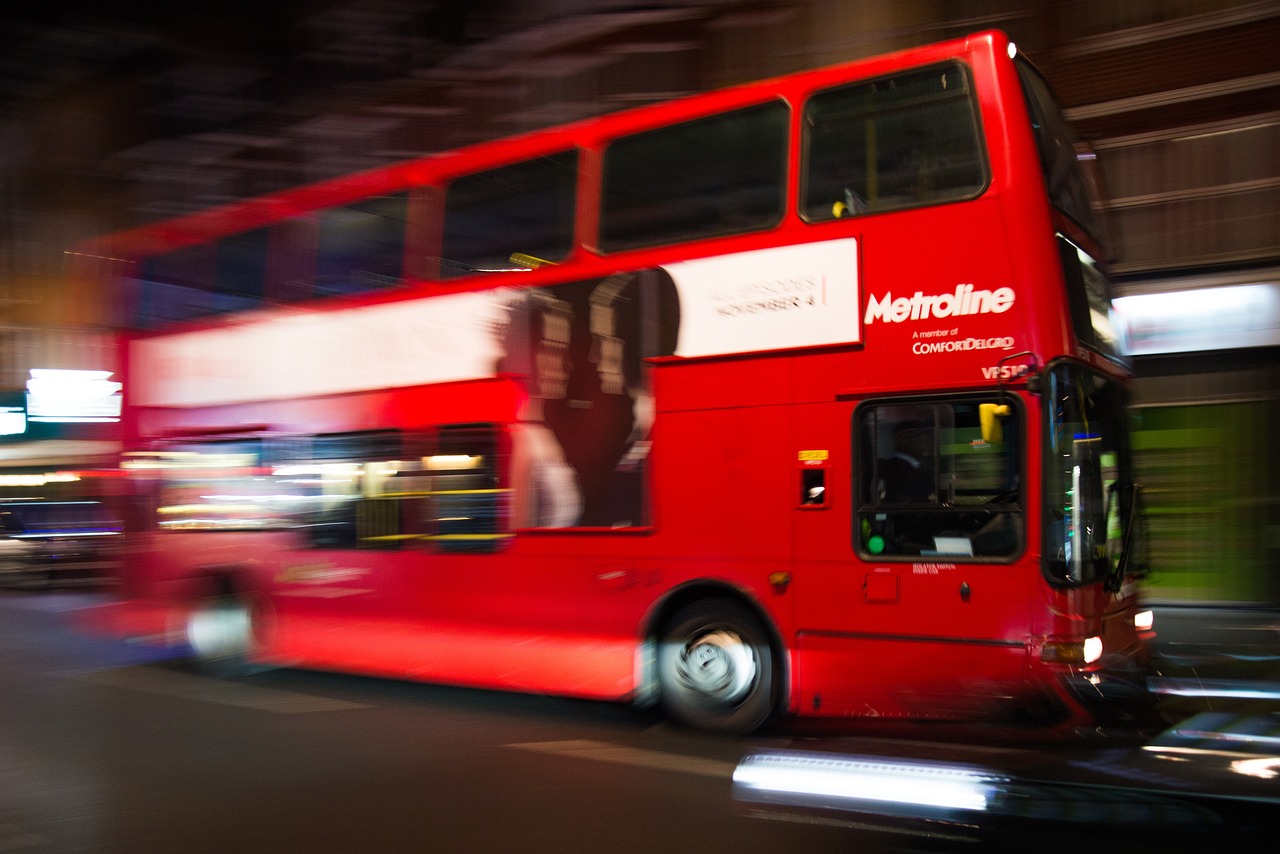
London, with an even older nightbus network launched in 1913, has also suffered in this regard. Research commissioned by the Liberal Democrats showed that the number of miles served by nightbuses shrank from 304 million in 2017 to 282 million in 2023.
Greater Manchester nightbus success
Despite nightlife diminishing, though, nightbuses are expanding in some areas. Transport for Greater Manchester (TfGM), when taking on the recently franchised bus network, identified poor night-time public connectivity as a problem.
Data cited by TfGM in 2024 reported that a lack of public transport at night had prevented 27% of respondents from accessing opportunities or services.
TfGM’s V1 and 36 nightbuses were piloted from September 2024 onwards. With usage peaking at 11,000 per month in total, the transport authority decided to extend those services until at least the end of this financial year. The 135 and 17 nightbuses have since been introduced.
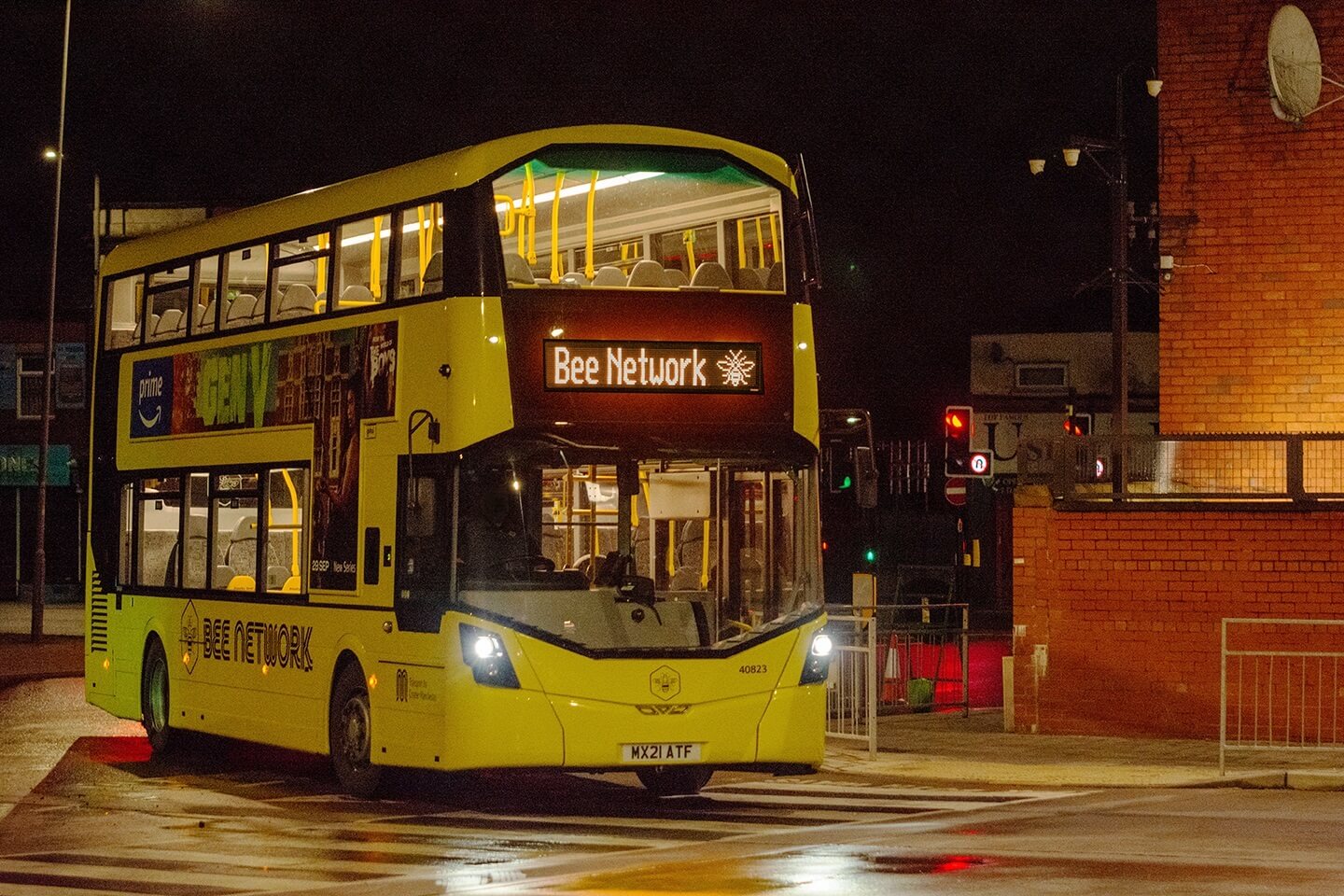
Alison Chew, TfGM’s Deputy Director of Bus, says: “Providing late-night buses was one of our ambitions when developing the Bee Network in order to help the 358,000 people – more than a fifth of our workforce – working within our thriving night-time economy which, like public transport, plays a vital role in Greater Manchester’s growth ambitions…
“These services (the 36 and V1) have proven popular with people heading to and from work, particularly those working in the hospitality sector, with businesses telling us that they are boosting employment opportunities while providing access to a broader pool of job applicants.
“Passenger numbers on the 36 and V1 are also increasing over time, with 40% of users saying they are using the services more than they did initially.”
The role of the nightbus on wider usage
Public control has also been a factor in the creation of a new nightbus service on Fastrack Kent Thameside. The Kent County Council-owned network introduced an hourly service last summer.
A council spokesperson says: “The decision to operate a night service was driven by our commitment to local businesses such as Amazon and Sainsbury’s, whose staff rely on safe and reliable transport during overnight shifts. We are also pleased that the service is helping to make 24-hour access to Darent Valley Hospital via public transport a reality.
“While nightbus services are often commercially challenging, Fastrack is publicly operated, allowing us to reinvest revenue directly into the service. This allows us to offer a more comprehensive timetable that not only meets essential travel needs but also encourages wider usage.”
Providing late-night buses was one of our ambitions when developing the Bee Network – Alison Chew
Elsewhere, BSIP funding is undeniably crucial to the existence of nightbuses. However, signs are positive in places that such services could be maintained. Portsmouth City Council has run 24-hour services since early 2024, funded via BSIP.
Paul Walker, Portsmouth City Council Head of Passenger Transport, says: “While growth has been slow but steady, the extended funding period through to March 2026 gives these services the opportunity to embed and grow organically.
“We’re working in close partnership with First Solent and Stagecoach South, and I’m pleased to say both operators have committed to taking on the commercial risk from April 2026 through to December 2026. That’s a strong vote of confidence in the long-term viability of these routes.”
Adding that early indications are encouraging, he adds: “Our approach to BSIP funding has always been to support services that have a clear commercial tail. We work transparently with operators to assess cost and risk, ensuring that public investment is targeted and sustainable.”
Last summer, Bluestar expanded its night services offering in Southampton from one to four, also boosted by BSIP funding in conjunction with Southampton City Council.
Christie Lambert, the council’s Cabinet Member for Transport, says: “The new nightbus services that we’ve brought forward with our partner, Bluestar, have been picked to serve specific needs, such as carrying shift workers to and from employment zones, or to support access for students between the city’s night-time economy and the University of Southampton.
“Our Purple Flag Award-winning evening and night-time economy is recognised as a safe, diverse and vibrant part of life in Southampton, and the new nightbus services are just one way that we are continuing to build on and grow this aspect of the city.”
Joined-up thinking in action
However, BSIP is far from the only source of funding for night services. Devon is showing that a partnership approach can also work.
The seven new Saturday night services this year add to the existing four nightbuses and result from collaboration between Devon and Cornwall Police, the Office of the Police and Crime Commissioner, six local and district councils, Plymouth Waterfront Partnership, Cornwall Air Ambulance and Newquay Business Improvement District.
Further, Shrewsbury’s current month-long trial of services extended until midnight has been made possible by Shrewsbury Big Town Plan Partnership funding. Aberdeen, North Somerset and Bristol are other areas to have introduced nightbuses this year.
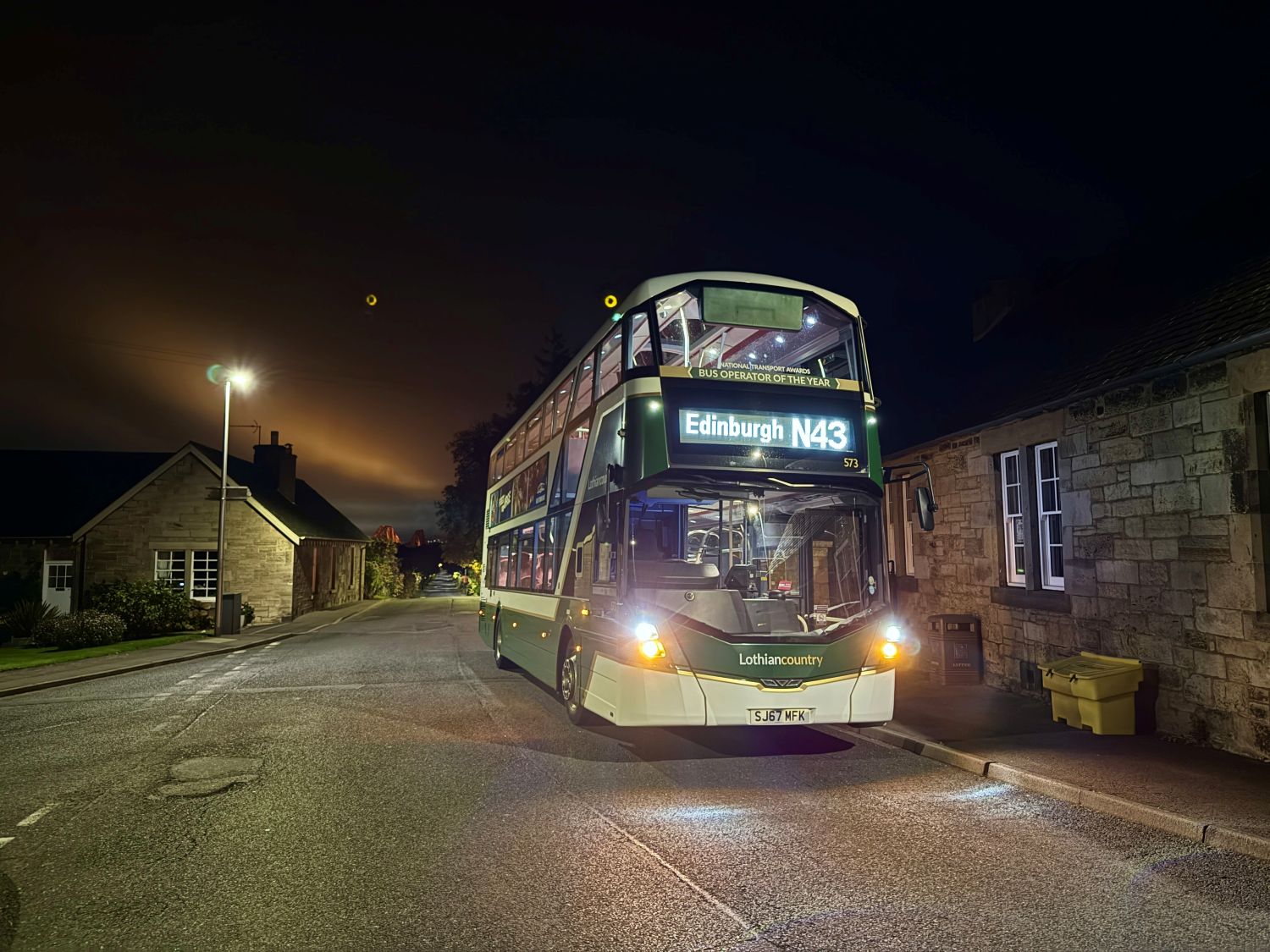
When it comes to paying their way commercially, nightbuses will rarely stand on their own four wheels, so to speak. However, Keith says: “For us, it contributed to the holistic network that we’re able to offer and, were it not for the fact that night services were there, perhaps fewer people would use late-evening or early-morning services because they couldn’t make the corresponding journeys around the town.
“So it does support the wider network and I can fully understand why other cities may be working towards that.”
Changes in regulatory models in the coming years will mean a trend of motivation away from commerciality and towards the public interests. It could be that a 100-year-old nightbus service will provide an example for authorities and operators to follow.