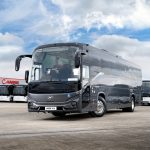




















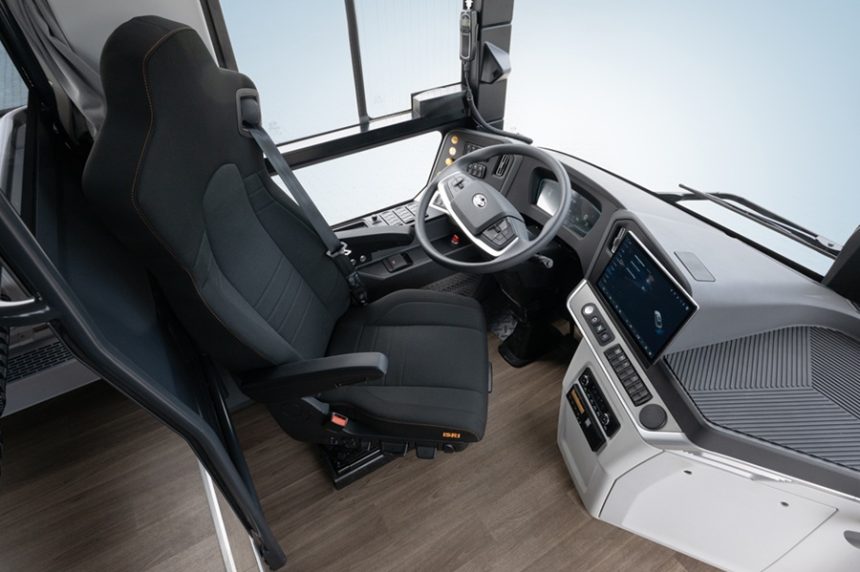
BYD will introduce a battery-electric coach to the UK later this year as part of a continuing diversification of its product offering, Commercial Vehicle UK Managing Director Frank Thorpe has revealed.
Although specification and intended use case will be confirmed later, the manufacturer has hinted that the opening coach product may be followed by others. Mr Thorpe adds that the initial model is not an adaption of an existing coach already present in other markets, and has been designed specifically for the UK.
He says that the vehicle will have a number of novel safety elements within its design. Entry to the battery-electric coach market in the UK represents a leveraging of core BYD skills, Mr Thorpe continues. He points to the builder’s success with integral battery-electric buses in the double- and single-deck field as a reason for its expansion into coach.
BYD now has over 1,000 such buses on order or delivered in the UK. The driveline used in them will power the coach, although battery capacity for the latter is yet to be revealed.
Mr Thorpe underlines that there are two core aspects to the BYD commercial vehicles work in the UK: continued development of that business, and advancement of its product range.
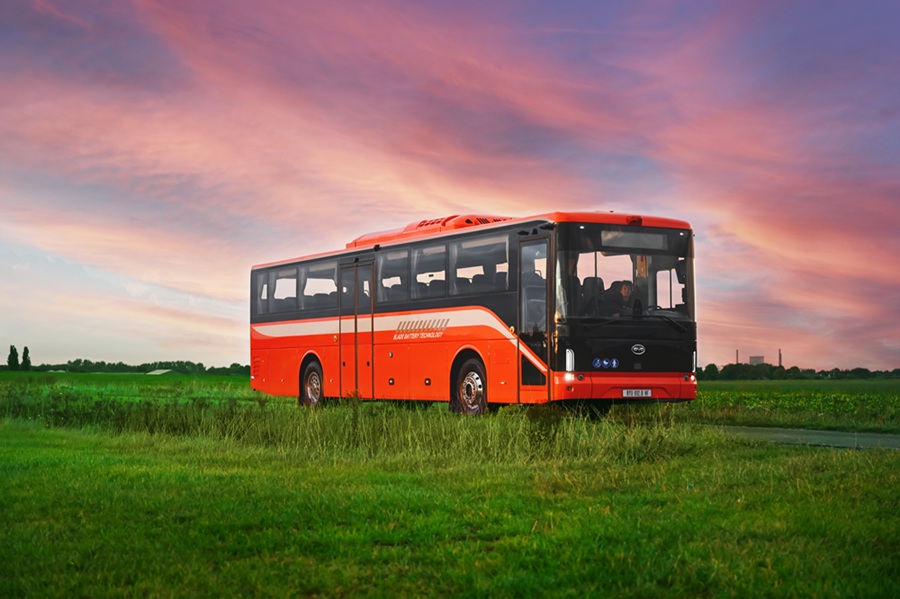
He points to the BD11 battery-electric double-deck bus and the support around it as an example of how quickly both of those elements can move. That vehicle went from concept through design and homologation into production within 18 months.
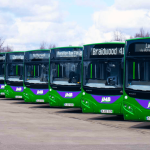
“You would think that was not possible, but the BD11 has been reliable and is doing very well,” he continues. While most built so far have been for Transport for London contractors, the first provincial specification examples are for Arriva.
Mr Thorpe says that BYD’s wider automotive experience contributes to strong acceptance of the BD11. Some materials user are derived from the car field, which has also influenced cab design, leading to favourable response from drivers. The BD11 comes at 10.6m or 10.9m and with a maximum of 532kWh of energy storage.
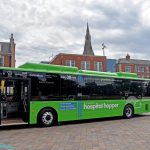
Equally, the single-deck bus line is doing well. That is now available at 11.8m, 10.8m, 10.4m and 9.9m, with multiple confirmed customers so far. No batteries are on the roof and Mr Thorpe says that will remain the case for any future single-deck coach or bus products.
Ability to develop so rapidly leverages BYD’s core position as a technology business. “Our ambition is to make use of the full range of BYD technology,” says the former operator, who does not rule out a product in the minibus field in the longer term.
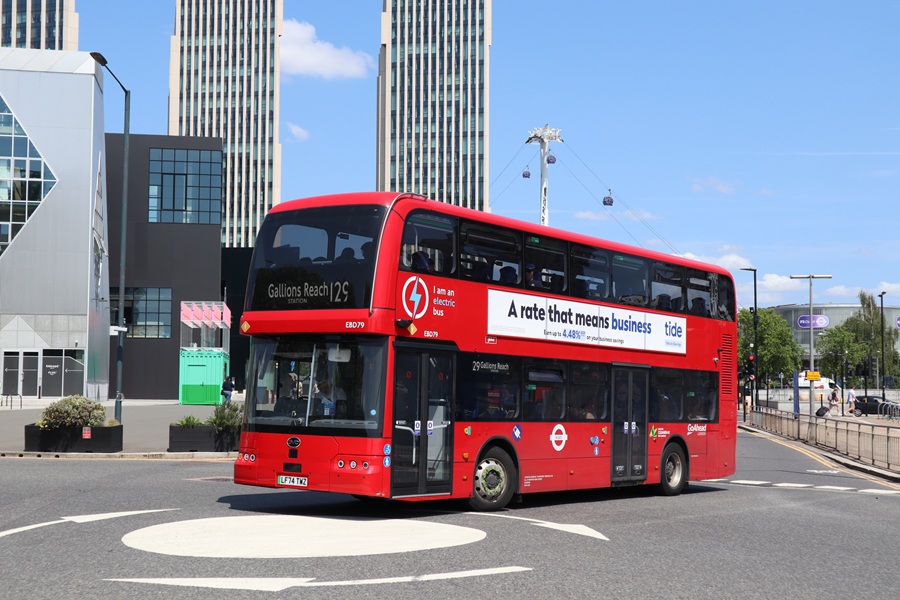
While BYD vehicles for the UK are built in China, Mr Thorpe points out that they are supplied to customers by a business that is investing heavily in the UK. Across commercial vehicles and passenger cars, BYD UK employs over 250 people, “and is spending a lot in the circular economy and supply chain,” he says.
As evidence of that, the organisation points to a new 80,000 square feet PDI and technical centre in Reading for coach and bus activity that was opened recently. All processing of new vehicles is now handled there with no reliance on third parties.
The Reading premises will also serve as a location for development and upgrade work, and potentially refurbishment in the longer-term.
“It is an exciting time for BYD UK; not only because our parent company is investing in the coach and bus industry here, with resources, products and people, but also our ability to receive technical developments from BYD first-hand,” concludes Mr Thorpe.