



















Transport software development specialist Basemap has analysed scheduled bus mileage recovery in Great Britain from 2021 to 2025 and reported that while some areas saw strong growth, others recorded sharp reductions.
An interactive map has been produced to deliver the findings. Users can explore change at national, regional and local authority level. Basemap used digital timetable data to highlight what it says is “a clear postcode lottery” in recovery post-2020, with 143 areas in England, Scotland and Wales evaluated.
Chief Product Officer Dan Saunders notes how East Anglia and Windsor and Maidenhead are among those to have seen good growth, but others including Rutland and several Scottish local authority areas returned the opposite.
He adds that the variation is particularly relevant given current government funding for bus services in England outside London that aims to end the postcode lottery, and ongoing debate about whether the return of scheduled mileage is reaching all communities equally.
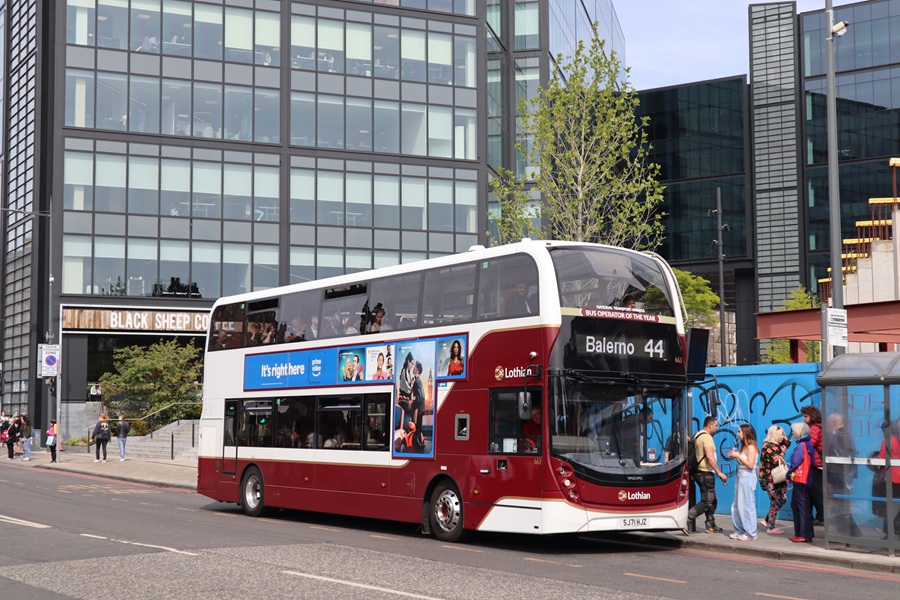
Illustrating the extent of the variation, West Lothian lost 58% of its scheduled bus mileage from 2021 to 2025 according to the analysis, although Basemap notes a period of now-over competition as an influence. East Lothian, Edinburgh and Midlothian all saw increases.
Rutland is in second-last place with a loss of 47% over the same period. Aberdeenshire and Argyll and Bute are joint third-last, having shed 34%.
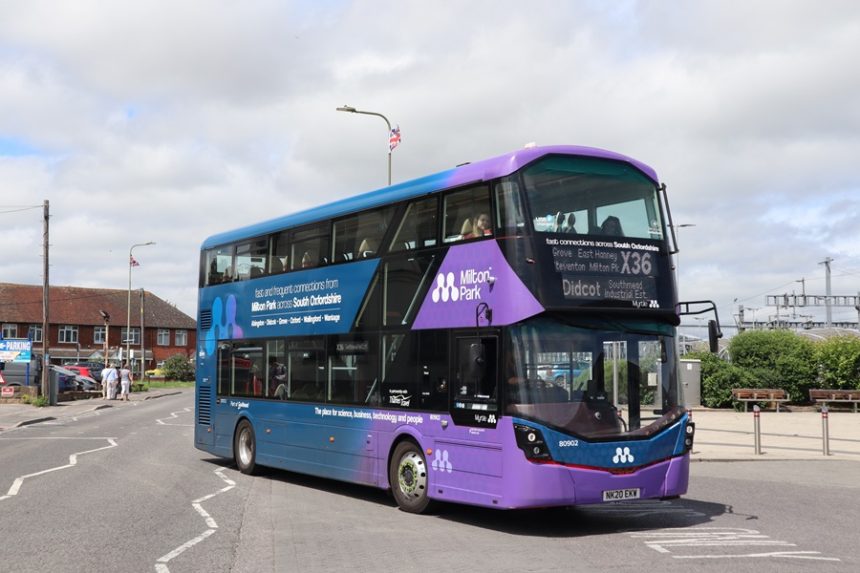
Windsor and Maidenhead is head and shoulders the best performer. It grew scheduled bus mileage by 91% from 2021 to 2025, including a huge uplift from 2024. Portsmouth has seen a rise of 58%, while Newport gained 55%. Only four areas saw no change. Herefordshire is the top-performing rural area, having grown scheduled mileage by 38%.
In addition to mileage analysis, Mr Saunders says that over 100 operators ended involvement in the delivery of registered local bus services from 2021 to 2025, although Basemap notes that its results include some home-to-school services.
It adds that its approach to analysis is accurate and uses a one-week snapshot from the second week of October. There is thus variation from data collected by the Department for Transport, which the supplier says involves some estimation and capturing across the full financial year rather than a snapshot approach.
Basemap stresses how the October 2021 baseline captured services that were protected by national and devolved recovery funding of the time, but that from 2022, overall mileage fell as operators adjusted to post-pandemic demand and viability. A comparison of 2022 and 2025 may thus be of more value to post-pandemic trends.
On a national basis, England saw a 1.5% increase in mileage from 2022 to 2025. In Scotland over the same period, miles scheduled fell by 4.4%. In Wales they were down by 2.6%. Although local outcomes vary significantly, Basemap suggests that England’s approach to bus funding may have helped to stabilise services.
The analysis will be rerun in October to give a 2026 view, Mr Saunders advises. The interactive map of mileage changes is available here, while further discussion of trends can be found on the Bus Centre of Excellence website.