




















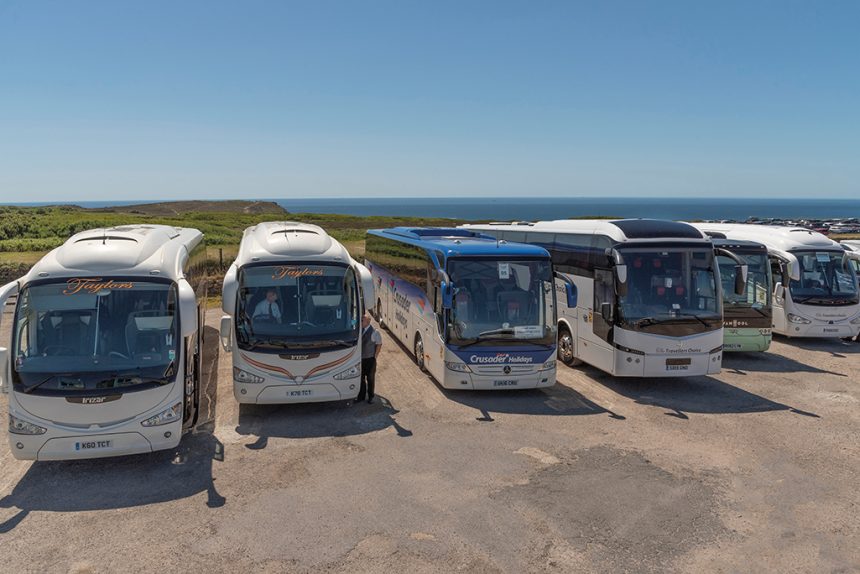
Government recognition in the Integrated National Transport Strategy for the coach sector could be transformative, writes CPT President Kathryn Pulham
For those of us who have spent a lifetime in the coach industry, moments like this do not come around often.
The government’s decision to formally recognise coach travel within its new, Integrated National Transport Strategy, “Better Connected”, quite simply, a turning point.
For years, coaches have been the quiet workhorse of the network, moving millions of people every year, supporting tourism, connecting communities, and doing so efficiently and sustainably.
Yet too often, they have been overlooked in local planning.
That is why this announcement matters. From now on, every local authority in England is expected to consider the role of coaches in their transport strategies.
That means thinking properly about facilities, access, and future demand.
It means planning for appropriate parking, safe pick-up and drop-off points, and ensuring coaches are not treated as an afterthought when road space is allocated.
In some cases, it may even mean allowing coaches to use bus lanes where it makes sense to do so.
These are practical changes. Sensible changes. And long overdue.
I have seen first-hand what happens when places get this right. A well-planned coach stop in a market town can bring in visitors who stay longer and spend more.
An excursion by coach is rarely cancelled, which means that, even when poor weather reduces overall visitor numbers, coach passengers continue to deliver reliable, stable income to destinations throughout the year.
A clearly signed drop-off point near a visitor attraction can transform the experience for passengers, drivers and local residents.
Conversely, when provision is poor or non-existent, operators are forced to work around barriers that should not be there.
The economic case is already well understood. Research shows that coach passengers spend £8.3 billion annually in tourist destinations across the UK.
Even a single coach visiting a town each day can contribute around £1 million a year to the local economy.
Coaches are one of the most efficient ways to move large numbers of people. They reduce congestion, cut emissions per passenger, and provide accessible, affordable travel for groups who might otherwise be left behind.
School trips, day excursions, airport transfers, and community outings all rely on a sector that has, until now, not always had a seat at the planning table. This new guidance changes that.
It also reflects the persistence of operators across the country who have made the case, calmly and consistently, that coaches deserve recognition as part of an integrated transport system.
I am proud that the Confederation of Passenger Transport (CPT) has played a leading role in that effort, working with government to ensure the voice of the coach sector is heard.
Of course, guidance on paper is only the beginning. The real test will be in delivery. Local authorities will need to engage with operators, understand local demand, and translate this recognition into tangible improvements on the ground.
That includes taking advantage of initiatives like CPT’s Coach Friendly scheme, which provides a clear framework for destinations that want to welcome coach visitors and reap the economic benefits.
There is also an opportunity here to think more ambitiously about integration. The government’s wider strategy, with its focus on simpler fares, better information, and seamless journeys between modes, points in the right direction.
Coaches have a vital role to play in that ecosystem, particularly in connecting areas that are not well served by rail.
For me, this is both a professional milestone and a personal one. Working in a family business built around coaches, I have seen the sector evolve through changing times, adapting, innovating, and continuing to deliver for passengers.
What has never changed is the essential role coaches play in keeping people connected, whether for work, education, or leisure.
It is gratifying to see that role now recognised at a national level. The task ahead is to make sure this moment counts. If we get this right, we can unlock growth, improve journeys, and ensure that coaches are no longer the hidden backbone of our transport system, but a fully recognised and properly planned part of it. That would be a legacy worth building.