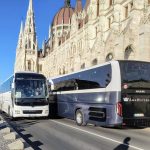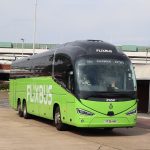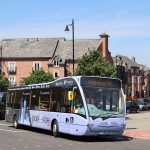





















The new ZEV levy and tourist tax could be good news for coach and bus, writes CPT CEO Graham Vidler
What are the two most radical new taxes being developed at the Treasury this year? By my reckoning, both fall under travel and transport, and both could work to the benefit to coach and bus: the ZEV levy and the tourist tax.
The Chancellor announced in the Budget in November 2025 that she intends to introduce a pay-per-mile tax for motorists in electric vehicles. And she also set out plans to permit local authorities to charge a tourism levy for visitors.
Why radical? Because both are entirely new forms of taxation, certainly to an English electorate (Scotland passed legislation for tourism taxes back in 2024). So far, they’ve attracted surprisingly little backlash – compared, say, to the 2024 Budget’s changes to inheritance tax and employers’ national insurance. But potentially complex consultations lie ahead to shape the details.
Levying a charge on owners of zero-emission vehicles on a per-mile basis (provisionally called eVED – electric vehicle excise duty) was bound to happen eventually given that the Treasury is watching its £25 billion annual tax take from fuel duty dwindle inexorably to nothing.
Coach passengers spend £8.3 billion every year in local economies
By 2030, one in five cars on the road will be zero-emission. Owners of electric vehicles, many of whom are relatively affluent, presently pay nothing in fuel duty compared to an average of £480 annually for those eking more years out of ageing petrol cars.
Encouragingly, the government has heeded calls from the Confederation of Passenger Transport (CPT) to exempt coaches and bus from the new charge.
So the policy amounts to a rise in the relative cost of motoring in comparison to public transport – which is something we, as coach and bus operators, need.
Research by WPI Economics for CPT found that Britain can only meet its net-zero commitments if every motorist in the nation shifts at least two trips per month from cars to walking, cycling or public transport.
Every penny of extra investment in buses by local and national government helps. But we won’t get there through carrot alone – there’s a need for some “stick” to make car travel less attractive.

Meanwhile, Rachel Reeves’ second big move – creating a tourism tax – presents us with an opportunity.
The policy will allow mayoral authorities to levy a visitor tax, likely to be a few pounds on every overnight stay. These powers are likely, ultimately, to be extended from mayoralties to all local councils.
The proceeds, according to the Treasury, must be invested in local improvements to benefit visitors. But let’s get specific. We can, and should, make the case for this to pay for investment in coach and bus facilities.
Coach passengers spend £8.3 billion every year in local economies – and a single coach arriving every day can generate as much as £1 million in economic value for a destination over the course of a year.
Our industry will be delivering the customers paying these tourism taxes – and some investment, in return, will generate yet more takers.
What do we need? Top of the list are adequate parking spaces, pick-up and drop-off points and passenger facilities.
In a recent CPT survey, passengers cited toilets, adequate shelter, seating and safety as their key priorities – all of which are reasonable asks for punters turning up with an appetite to spend time and money locally.
CPT will be encouraging areas introducing a visitor levy to apply for Coach Friendly accreditation – our certification scheme demonstrating that destinations are welcoming to coach passengers. Our new Coaching Manager, Andy Shaw, is getting stuck into this, and much more.
Over the year ahead, CPT will ensure our industry’s voice is heard in shaping these policies.
We’ll also be scrutinising the government’s new Integrated National Transport Strategy – which sets out a “big picture” roadmap and is the first effort to draw all the different strands of transport together since John Prescott’s blueprint for the future back in 1998.
Our direction of travel is clear: CPT wants to see coaches and buses at the heart of national transport policy.
We’ll continue to bat for long-term bus funding. We’re not seeking a war with motorists – but we’ll back measures that ensure car users pay the true cost of their journeys.
And we’ll push for local leaders to use every tool in the box to unlock funding for quality coach provision.