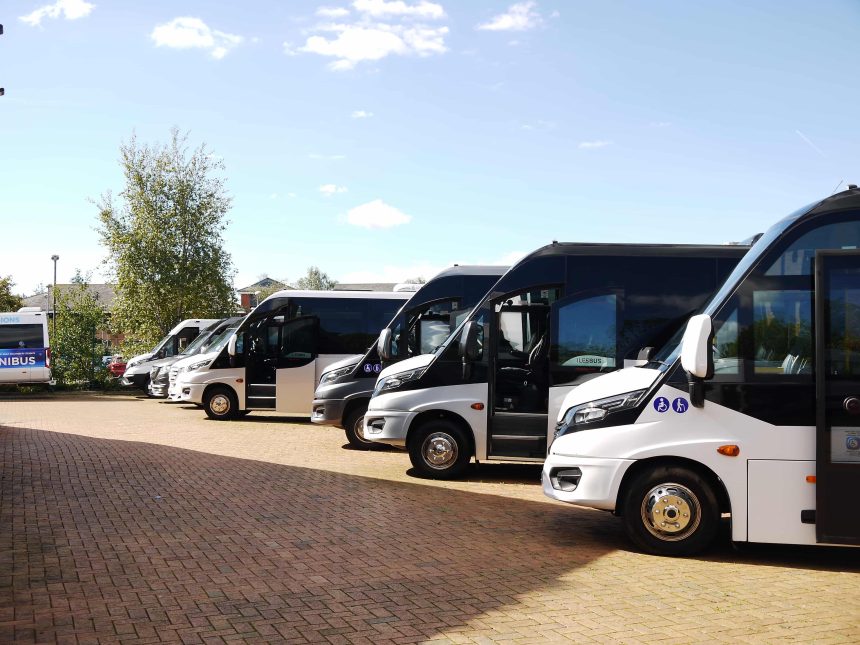
Following the recent news regarding the administration and sale of Ilesbus UK, I am writing as a concerned operator regarding the potential implications for vehicle warranty support.
It was incredibly sad to see so many people at risk of losing their jobs and great to see the magazines picked up on this story.
It is good news that someone is now picking up the brand and taking it forward, just as it had been a welcome relief to read that there was a potential buyer for the business and that at least some of the jobs might be saved.
However, I have questions around warranty support, in particular the chassis warranty on Iveco models, as this is the biggest risk to operators from a cost perspective.
While much of the focus has understandably been on the administration itself, there appears to be limited discussion around what this has all meant for operators currently running relatively new vehicles.
All must have been aware that conversion warranties risked dying with the company but some of us are in a more complicated position.
In particular, there is growing concern around converted vehicles supplied on Iveco chassis above 7,200kg GVW, where the expected level of warranty support may not extend as operators would reasonably expect following the sale of the converter.
There are several operators faced with being turned away from their Iveco dealer when they present their vehicles for repair work.
To illustrate the potential exposure, an operator could be left in a position where a relatively new vehicle develops a drivetrain issue — for example, a noise from the rear axle — and there is no clear warranty route for rectification.
In such a scenario, the operator may be faced with:
- Significant repair costs, potentially in excess of £10,000
- Vehicle downtime while fault diagnosis and repair are arranged
- Loss of service availability and associated revenue impact.
For smaller operators in particular, this represents a material and unplanned financial risk on assets that were, in many cases, only recently placed into service.
Clarity from the industry on how these situations will be handled — and where responsibility now sits — would be extremely valuable in helping operators plan, manage risk, and maintain confidence in their fleets.
It’s great to hear that the buyer will honour current orders, but what will it do for buses that have been delivered in the last two years?
Name and address supplied.