












By using this site, you agree to the Privacy Policy and Terms & Conditions.
Accept
routeonerouteonerouteone
  • News
    • Show all
    • Awards & Events
    • Deliveries
    • Environment
    • Exhibitor News
    • Euro Bus Expo
    • Features
    • Legal
    • Minibus and minicoach
    • Operators
    • Opinion
    • People
    • Suppliers
    • Vehicles
  • Vehicles
    • Find a Vehicle
    • ZEV Comparison Tool
    • Sell a Vehicle
    • Vehicle Seller Dashboard
  • Insights
  • Careers
  • Events
    • British Tourism & Travel Show
    • Euro Bus Expo
    • Innovation Challenge
    • routeone Awards
  • Advertise
  • Contact
    • Share your news
    • Subscribe
    • Update Subscription Details
  • Latest Issue
  • SIGN UP
Reading: Zero-emission coaches are coming on – but what of infrastructure?
Share
Font ResizerAa
Font ResizerAa
routeonerouteone
  • News
    • Show all
    • Awards & Events
    • Deliveries
    • Environment
    • Exhibitor News
    • Euro Bus Expo
    • Features
    • Legal
    • Minibus and minicoach
    • Operators
    • Opinion
    • People
    • Suppliers
    • Vehicles
  • Vehicles
    • Find a Vehicle
    • ZEV Comparison Tool
    • Sell a Vehicle
    • Vehicle Seller Dashboard
  • Insights
  • Careers
  • Events
    • British Tourism & Travel Show
    • Euro Bus Expo
    • Innovation Challenge
    • routeone Awards
  • Advertise
  • Contact
    • Share your news
    • Subscribe
    • Update Subscription Details
  • Latest Issue
  • SIGN UP
© 2026 routeone News | Powered by Diversified Business Communications UK Ltd
- Advertisement -
routeone > Editor's Comment > Zero-emission coaches are coming on – but what of infrastructure?
Editor's Comment

Zero-emission coaches are coming on – but what of infrastructure?

A watershed moment for those vehicles is arriving - but not for infrastructure to support them

Tim Deakin
Published: 1 October 2025
Share
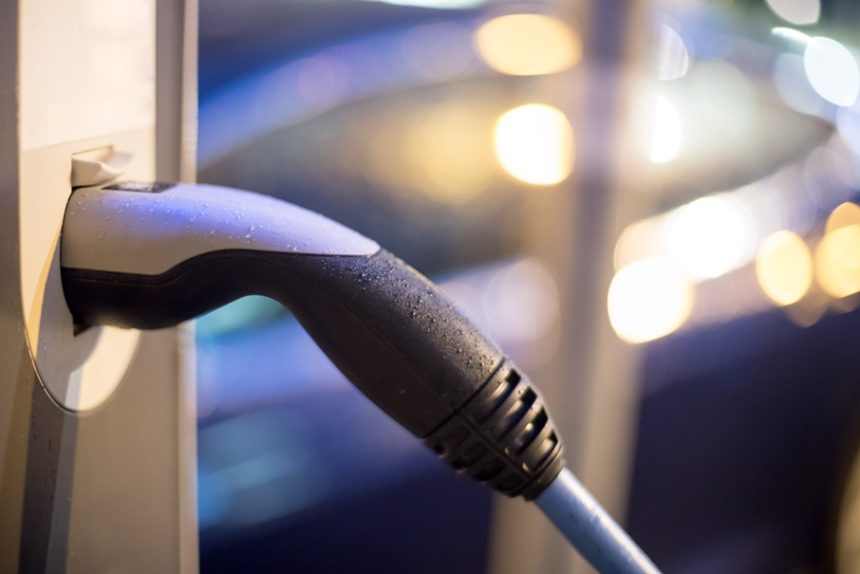
Charging and fuelling for zero emission coaches is lacking
SHARE

Zero-emission coaches will be prominent at Busworld over the coming week, with those models from at least four manufacturers expected to be there to see and touch – and in at least one case, to drive.

More will follow later across both battery- and hydrogen fuel cell-electric. Meanwhile, orders for zero-emission coaches already available in the UK maintain a respectable pace.

Acceptance of electric power from passengers, drivers and operators is high. While modern diesel engines are wonders of engineering, durability and efficiency, they still vibrate and make noise. An electric motor by and large does neither. Compare a ride on a diesel train to one powered by overhead catenary or a third rail.

All is thus well and good, assuming the buyer can accept the higher purchase price of an electric coach. Except for one pretty major thing. Charging or in the future filling these vehicles with hydrogen when away from home.

It is manageable on carefully planned scheduled networks, as shown in Scotland by Ember. But what about the more general ‘roaming’ coach use case? Today the vehicle could scarcely travel 30 miles from depot, but tomorrow it might have a 400-mile private hire.

An operator of battery-electric coaches previously noted that on a charter from London to Manchester, one can do the outbound trip with no problem but will need to plug in before it gets back to base.

Greater Manchester has bus depots with high-power charging, but – as has sometimes been the case with coach parking – gaining acceptance among coach operators of using those facilities is not always easy, although it can be done, as will be seen in Scotland.

The reason for any reticence is difficult to ascertain. Bus depots are certainly among the big enablers of zero-emission coach operation, but they are not to be found everywhere.

Providing rapid charging that can be used by allcomers in heavy vehicles seems to be of little priority to some operators of commercial charging stations. One boasts of being able to deliver 300kW. Ideal for coaches and HGVs, but there is no access for them.

The endgame for charging those vehicle types when away from base remains unclear, although service station operator Moto promises up to 300 charging bays for electric HGVs by 2030. Will coaches be welcome to use them? If so, it could lead to the tables being turned on the age-old problem of lorries in coach bays.

That is a good start, and Moto should be commended for what will probably be a loss-leader in the early days. But a question remains around what happens away from the motorway network. Will we see high-power charging and hydrogen availability in places like rural northern Scotland and mid-Wales? And if not, what is the answer for users of heavy commercial fleets in those areas?

Megawatt charging is a key enabler of electric operation to some coach and HGV makers. Others are holding their nerve and betting on hydrogen, despite that energy source continuing to face difficulties in the bus field.

No doubt some more fine zero-emission coaches will debut over coming months and years. But if the ease of charging or fuelling them in the wild does not shift at the same time, the equation around their purchase will remain fiendishly difficult for many operators to balance.


TAGGED:batteryCoachelectrichydrogeninfrastructurezero-emission
Share This Article
Facebook LinkedIn Threads Email Copy Link
ByTim Deakin
Tim is Editor of routeone and has worked in both the coach and bus and haulage industries.
Previous Article Michele Elliot is Woman of the Year at Women in Bus and Coach Awards women in bus and coach Michele Elliot is Woman of the Year at Women in Bus and Coach Awards
Next Article Catch the Bus Month ends with bus photography display in Lincoln Catch the Bus Month ends with bus photography display in Lincoln
- Advertisement -

Latest News

Arriva bus depot colleagues set for Yorkshire Air Ambulance charity walk
Arriva bus depot staff set for Yorkshire Air Ambulance charity walk
People
Unfolding NEET disaster: coach and bus is part of the solution
Editor's Comment
Consider the passenger when measuring bus network performance
Bus network performance: passenger experience is the lead factor
Opinion
Kleandrive sold out of administration to Palmer Energy Technology
Suppliers
- Advertisement -

routeone magazine is the indispensable resource for professional UK coach, bus and minibus operators. The home of vehicle sales and the latest bus and coach job vacancies, routeone connects professional PCV operators with complete and unrivalled news coverage.

  • Terms & Conditions
  • Privacy Policy
  • GDPR Policy
  • Sustainability
  • Advertise
  • Latest Issue
  • Share Your News
routeonerouteone
Follow US
© 2026 routeone News | Powered by Diversified Business Communications UK Ltd