




















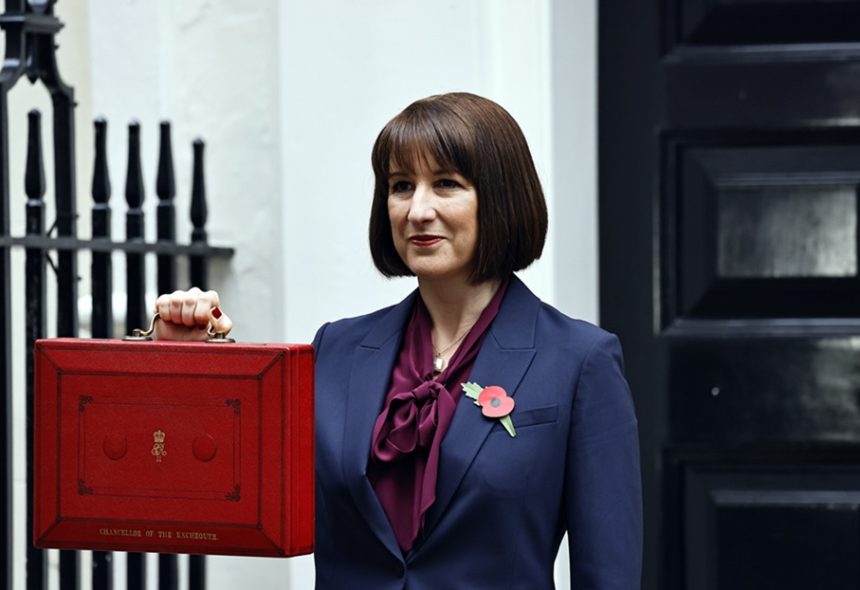
Speculation around this month’s Budget is at fever pitch, with mainstream media sources attempting to outdo each other in drawing conclusions from a speech by Chancellor Rachel Reeves on 4 November. What is increasingly evident is that some nasties are on the way.
The coach and bus industry, like all those relying on roads for transport, is particularly exposed. The threat of an end to the temporary 5ppl cut in fuel duty that has been flagged at several previous Budgets and fiscal events looms in the background once again.
Thus far no Chancellor has been brave enough to kill this ‘temporary’ cut. RHA continues to seek an essential user rebate that would apply to coach operators.
But Ms Reeves’ pre-Budget address makes clear that she will be taking some unpopular decisions this month. Could an end to the fuel duty cut be one of them? If she chooses to ‘kitchen sink’ her approach on 26 November, it might well be.
Perhaps of equal worry will be a suggested increase to income tax. Pay rates in the coach and bus sector have been under pressure, and unions and their members in the bus field have demonstrated via numerous strikes that they are not afraid to walk out when offers do not meet their expectations.
If income tax at its basic rate does increase, that will add pressure to future wage settlements.
Pay restoration has become a well-known phrase in NHS circles. A likelihood exists that the same approach could spread if staff see a cut in their take-home by paying more tax, although one suggestion is that any such raise could be offset by a cut to employees’ National Insurance contributions.
A relatively simple argument to make is that the Chancellor’s concerns about the age-old conundrum of productivity could start to be tackled by further supporting the coach and bus sector.
That better bus services make it easier for people to access work is obvious to many, but still not as clear as it should be in some cases. Better buses also reduce the draw on local authority budgets via increased revenue generation. A virtuous circle it is, and that is before the benefits to other government policies are considered.
Bus seems to have become better understood by politicians of late, with the help of industry representatives. But the coach industry is still broadly an unknown to those decision-makers.
Now is the time for coach to have its positives around economic activity and productivity highlighted. Home-to-work services are a large point of growth, while making access to domestic tourism points will help to drive all-important tax receipts.
Coach does not need too much to help it flourish further. Facilities and consideration in planning will help, while the longer-term move to zero-emission has some relatively easy wins from a public policy standpoint.
Nobody is asking governments in difficult fiscal positions to scoop up billions of pounds and shower it on coach and bus. But perhaps what will best suit the industry from this month’s Budget is for Ms Reeves not to throw the baby out with the bathwater.