




















Our political expert reviews a torturous 12 months for Labour and applies his crystal ball to the Westminster scene
As this is my last column for 2025, perhaps I can be allowed to focus my comments on the general political landscape. From a political perspective, it’s been quite a year!
Indeed, when Keir Starmer sought to “reset” his government when Parliament returned from the summer recess at the beginning of September, things just seemed to go from bad to worse.
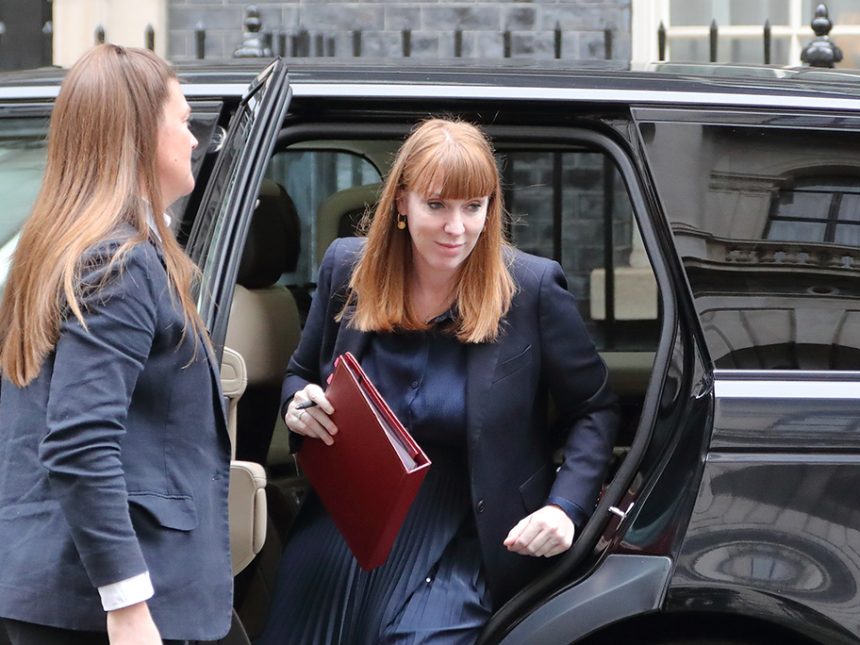
No sooner had he carried out a minor reshuffle, bringing Darren Jones into No 10 from the Treasury to make him his own Chief Secretary, Angela Rayner resigned from the cabinet and stood down as deputy leader, thus triggering a major cabinet and junior ministerial reshuffle.
Since then, it’s been one thing after another: the sacking of Lord Mandelson as the UK Ambassador to the US; the collapse of the China spy case with more than a hint that this was deliberately triggered by No 10; prisoners being released by mistake; immigrants returned to France under the “one in one out” deal finding their way back to the UK; the loss of the Senedd by-election in Caerphilly – Labour had not lost an election in Caerphilly for over 100 years; and the misjudged announcement that Mr Starmer would fight any leadership challenge.
The list is endless. Indeed, since the election, 18 ministers have resigned or been sacked and there has been a constant churn of advisers in No 10, suggesting a less than happy operation.
It was a loveless marriage between Labour and the electorate and already it’s looking like the electorate wants a divorce
To cap it all, Mr Starmer’s least preferred candidate to replace Ms Rayner as deputy, Lucy Powell, was duly elected. This could be a real headache for No 10. Ms Powell was sacked as leader of the House of Commons in the September reshuffle. She has vowed to be a strong voice for the interests of Labour backbench MPs, who – until now at least – have felt largely ignored.
The latest YouGov poll puts Labour at just 19% – down from 34% just after the general election. It’s all a far cry from the heady days after the election when Mr Starmer was celebrating a massive parliamentary majority of 174.
That majority was built on sand of course, with Labour securing only 34% of the vote. It was a loveless marriage between Labour and the electorate and already it’s looking like the electorate wants a divorce.
Budget shenanigans
And then there’s the recent Budget. Having spent weeks preparing us for tax rises, which duly arrived, we now know that the Office for Budget Responsibility (OBR) had advised the Chancellor that she had a budget surplus, albeit a modest one, and that the much publicised fiscal “black hole”, which we were told was somewhere between £20-£30 billion, simply didn’t exist.
In the run-up to the Budget, we were being told that the economy was in a bad way and that tax rises were necessary. They weren’t.
They were a consequence of a political decision to implement various welfare and benefit measures which were entirely discretionary – but perhaps politically necessary to appease Labour backbench MPs and buy a bit of time for the political careers of the Prime Minister and the Chancellor.
I have no complaint with what the Chancellor did. She was well within her rights to do what she did.
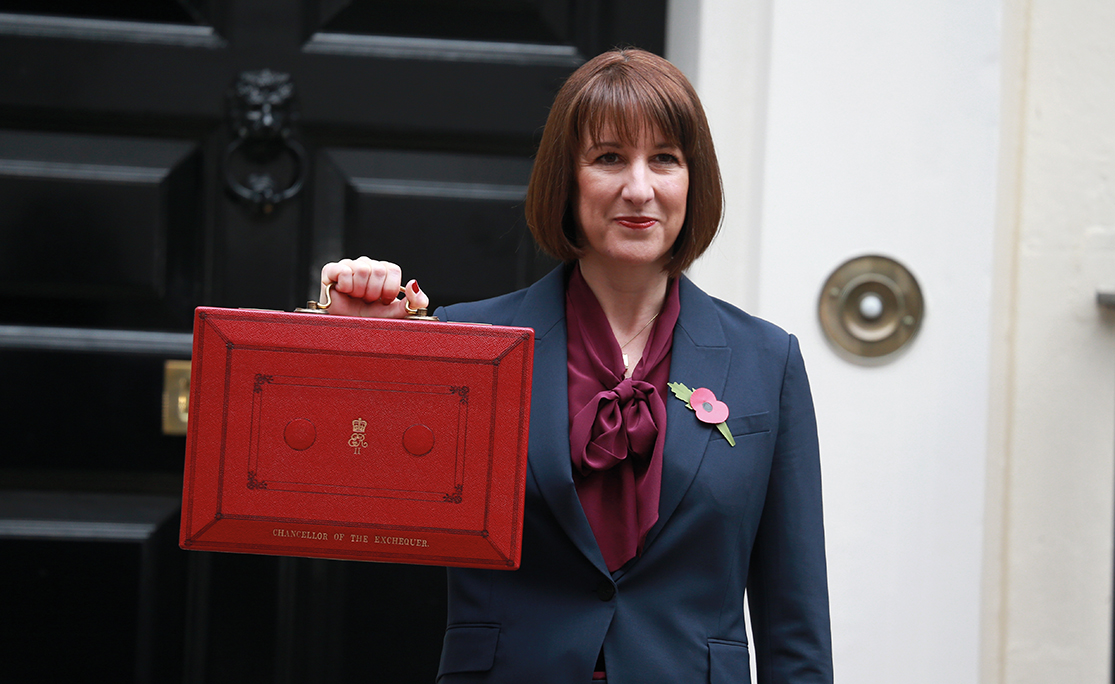
But it’s now self-evident that the weeks of pitch-rolling that preceded the Budget warning us of the dire state of the country’s finances were deeply misleading.
The Chancellor didn’t lie. But she’s certainly guilty of being economical with the truth by withholding information on the actual state of the economy as advised by the OBR.
Not that the Conservative Party has much to crow about! Its poll rating is just 19%, neck-and-neck with Labour.
But Conservative leader Kemi Badenoch is beginning to find her feet. She made a good conference speech, responded well to the Budget and, after a rocky start, is now regularly outperforming Mr Starmer at Prime Minister’s Questions.
But is the electorate listening? Right now, it doesn’t seem so, and it hasn’t yet forgiven the party for the horrors of partygate and the Liz Truss/Kwasi Kwarteng mini-budget.
2026 forecast
So what are my predictions for 2026? Perhaps I’m being reckless in making any, such is the volatile nature of politics right now, but here goes.
First, there will be a leadership challenge against Mr Starmer but not until after the May elections, when both Labour and the Conservatives will perform badly, with Labour even losing control of the Welsh Senedd.
After the Labour Party Conference, Angela Rayner will be elected as the new leader and Prime Minister. Will Conservative MPs move against Ms Badenoch? Perhaps, but to change leader yet again would be an act of unspeakable political self-harm.
Reform UK will perform well in May’s elections but, by the end of 2026, support will start to ebb away as scandals emerge in relation to individual Reform councillors – perhaps even the party leader – and the electorate sees its performance in running local authorities is less than impressive.
In the run-up to the Budget, we were being told that the economy was in a bad way and that tax rises were necessary
Reform will discover that being in government, even if only in local government, is a great deal harder than being a noisy voice of opposition.
Meanwhile, watch the Green Party continue to rise in popularity, and potentially overtake both Labour and the Conservatives to be the second party in the polls.
At present, most polls put the Greens ahead of the Lib Dems and just three or so points behind both Labour and the Conservatives.
However, more than anything else, we can only hope and pray for peace in Ukraine and Gaza and, indeed, in other war-torn failed states. Sadly, in this regard, I’m not holding my breath. Nonetheless, I wish you all a merry Christmas and, with the permission of the Chancellor, a prosperous new year.