


















Lord Hendy has seen plenty of the bus industry, although coach is largely outside his field of expertise. But a point he raised at the Confederation of Passenger Transport conference on 29 January applies equally: who is fronting your business’s interests with the local authority?
The value to a bus operator of someone who is suitably skilled and empowered to engage with those parties is enormous, Lord Hendy says.
He points to the late Andrew Wickham of Go South Coast as a gold standard. Also noted is a stark difference in bus network performance between when a strong local manager is present to when one is not. It is visible to trained and untrained eyes alike.
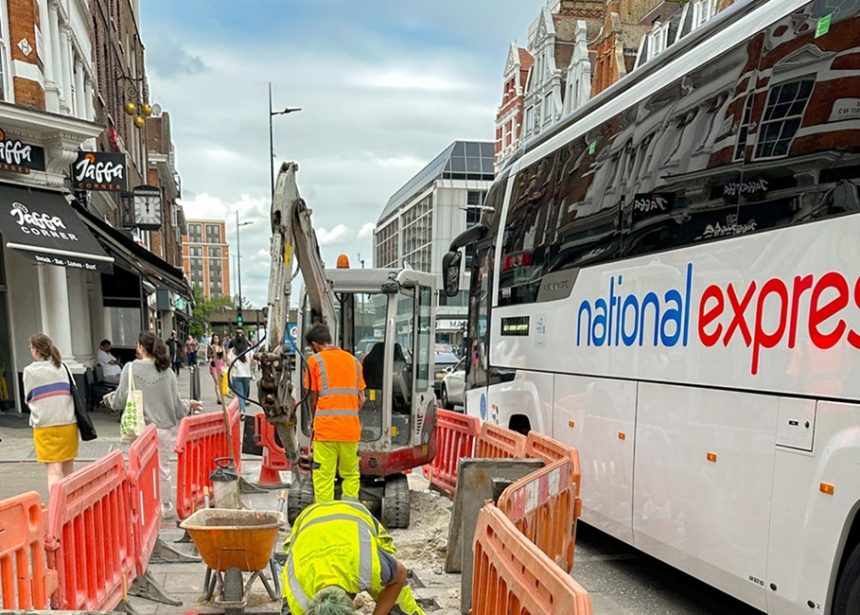
How buses interact with road space and street works is critical to the dynamic between operator and authority. Few will disagree with what Lord Hendy says, but some of the trained eyes could probably learn from it.
Meanwhile, how coaches are treated by the Integrated National Transport Strategy for England is a topic of growing interest. That document is due soon, and trade associations are pushing hard for coach to be fairly considered within it.
But representative bodies cannot be everywhere and in every local transport authority area to promote the needs of coach. Parking, access, coordination with other modes and more are key to how the coach industry engages with policymakers and councils.
So to make a circle back to Lord Hendy’s point: yes, an empowered, skilled and articulate manager who can work with councillors and transport officers is important – not just for bus operators, but equally so for coach, too.