





















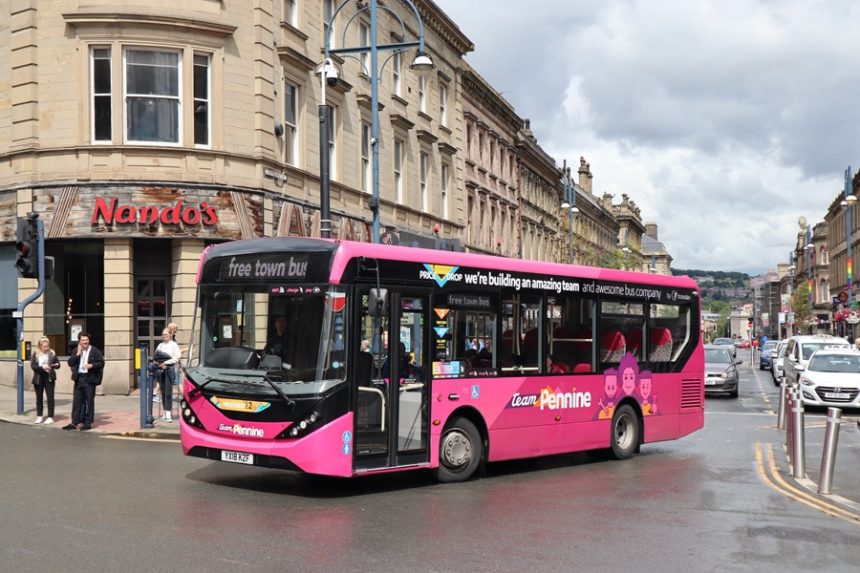
The Bus Services Act in England is about giving communities a choice in how that provision is delivered and is not “a political diktat,” Minister of State for Transport Lord Hendy told the Confederation of Passenger Transport (CPT) conference on 29 January.
He notes how the path to franchising for local transport authorities (LTAs) is simplified by the legislation, which passed into law in October 2025. But Lord Hendy – who attended in place of Minister for Roads and Buses Simon Lightwood – also highlighted the equal validity of partnership.
“If local leaders want to stick with Enhanced Partnership (EP) then the government will support them to strengthen those,” he adds, with a caveat of that being reliant on operators involved “doing their job well.”
Passengers are key to every part of the Act, Lord Hendy continues. “Whatever local leaders do, the test should be whether it puts passengers first,” he explains. Bus users were key to how the legislation was drafted, with violence against women and girls, accessibility, and the zero-emission transition all prominent.
Ministers have been “determined” to change bus service delivery. In a pointed comment, Lord Hendy told delegates of his belief that “in parts of the country, corporate policies and demands of distant funders have sacrificed for short-term profit the necessary networks that need to be in place.”
While there is an overall air of supportiveness from government towards the sector, including recognition of CPT’s role in making the case for some amendments to the initial bill that were taken into law, the former Commissioner of Transport for London adds that operators under EP will need to deliver on improving services.
Success for the Bus Services Act is likely to be judged as LTAs choosing the avenue of delivery “on a rational basis, not a ‘we are going to be in charge’ basis… unless they need to be in charge because what they are offered as a public service is not what they want,” he told CPT Chief Executive Graham Vidler.
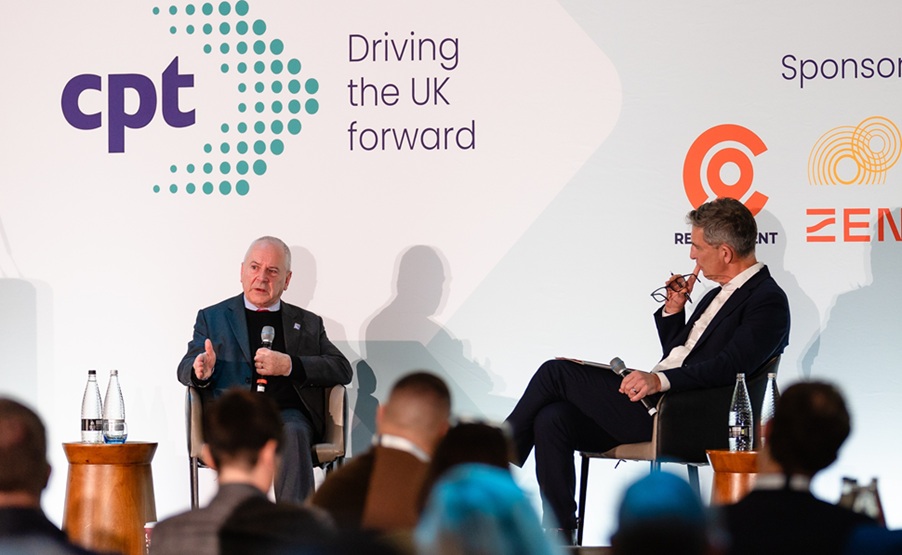
The minister further opines that critical to good bus provision is strong local management with authority and the skills to liaise with LTAs. Former Go South Coast Managing Director Andrew Wickham is singled out by Lord Hendy as an example of how that is beneficial.
“The industry has to have people locally with sufficient nous and time and a little bit of power to be able to interact with local leaders,” he continues. Such a position “is a really strong point” for service delivery; he notes experience having shown him that when it is lacking, the impact on networks is obvious.
Lord Hendy also highlights the decision to end competitive rounds of bus funding in England, adding how under the previous government’s favour of that, there was “more than a whiff at times of pork barrel politics.”
While acknowledging that not every LTA will be able to do everything it wants to with the multi-year Local Bus Grant sums allocated, he says it is a point of pride that money for buses has been provided to each of those authorities.
The alternative competitive approach had produced “a very odd result” in some areas, Lord Hendy continues. “Routes would come off and then be put back on. Sometimes [LTAs] got money for new routes but not to continue existing ones. It was crackers.”