













By using this site, you agree to the Privacy Policy and Terms & Conditions.
Accept
routeonerouteonerouteone
  • News
    • Show all
    • Awards & Events
    • Deliveries
    • Environment
    • Exhibitor News
    • Euro Bus Expo
    • Features
    • Legal
    • Minibus and minicoach
    • Operators
    • Opinion
    • People
    • Suppliers
    • Vehicles
  • Vehicles
    • Find a Vehicle
    • ZEV Comparison Tool
    • Sell a Vehicle
    • Vehicle Seller Dashboard
  • Insights
  • Careers
  • Events
    • British Tourism & Travel Show
    • Euro Bus Expo
    • Innovation Challenge
    • routeone Awards
  • Advertise
  • Contact
    • Share your news
    • Subscribe
    • Update Subscription Details
  • Latest Issue
  • SIGN UP
Reading: Euro 7 for diesel heavy vehicles could do more harm than good
Share
Font ResizerAa
Font ResizerAa
routeonerouteone
  • News
    • Show all
    • Awards & Events
    • Deliveries
    • Environment
    • Exhibitor News
    • Euro Bus Expo
    • Features
    • Legal
    • Minibus and minicoach
    • Operators
    • Opinion
    • People
    • Suppliers
    • Vehicles
  • Vehicles
    • Find a Vehicle
    • ZEV Comparison Tool
    • Sell a Vehicle
    • Vehicle Seller Dashboard
  • Insights
  • Careers
  • Events
    • British Tourism & Travel Show
    • Euro Bus Expo
    • Innovation Challenge
    • routeone Awards
  • Advertise
  • Contact
    • Share your news
    • Subscribe
    • Update Subscription Details
  • Latest Issue
  • SIGN UP
© 2026 routeone News | Powered by Diversified Business Communications UK Ltd
- Advertisement -
routeone > Editor's Comment > Euro 7 for diesel heavy vehicles could do more harm than good
Editor's Comment

Euro 7 for diesel heavy vehicles could do more harm than good

The 'dirty diesel' signal is clear, but pushing emissions still lower could have unintended results

Tim Deakin
Published: 15 April 2026
Share
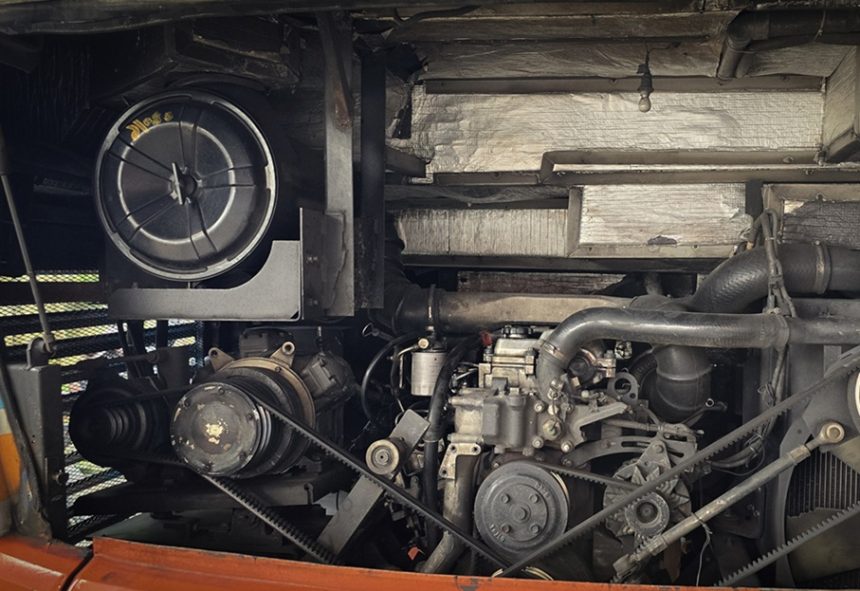
Euro 7 move for diesel vehicles stands to do more harm than good
SHARE

Amid near-constant talk of zero-emission and decarbonisation, the only discussion of diesel now largely centres on how dirty vehicles that use it are. At least according to the general narrative; those in the fields of designing, building and running them know better for Euro VI.

The oft-told tale of taking a Euro VI coach, bus or truck to one of the world’s more polluted cities is well known. What comes out of the exhaust is cleaner that that sucked in via the intake.

Perhaps that is apocryphal, and calls for ever-cleaner air are understandable. Diesel once was filthy. Yet the days of a large diesel engine laying a smokescreen after being left idling have been gone for decades. And even the roughest Gardner cleaned up its act after being given a little stick.

As Euro tiers have advanced, so have efforts by engine manufacturers to improve efficiency. Some may snort and compare the products of today to the 16mpg merchants of the 1970s, but vehicles have become heavier by default as expectations for comfort and safety have risen.

One individual involved in the sale of diesel coaches points the latest Euro VI step E diesel engines as technical marvels. It is true that the odd rogue found its way through early in the Euro VI cycle, but those aside, it is difficult to argue with that sentiment in broad terms.

With those considerations in mind, it remains intensely ponderable why Euro 7 for diesel not only remains on the agenda, but is moving towards what looks like a debut in heavy vehicles during 2028.

More than one of Europe’s vertically-integrated manufacturers have castigated the Euro 7 theory. Euro VI in its latest iteration is clean, hence the story-around-the-campfire about what happens when it is deployed in polluted environments.

One argument of those OEMs is that deploying significant R&D spend into Euro 7 is poor use of finite funding. The bigger ‘bang for the buck’ comes from putting it to zero-emission; the latter technology may not progress as fast as it otherwise might if resource goes towards Euro 7.

A worry for buyers that ultimately have no choice but to take Euro 7 diesels in due course will be cost. Euro VI in some cases will conclude with a payback period of up to 18 years, if current expectations of the shift to Euro 7 prove accurate. The latter may have a payback of just a handful of years.

Manufacturers will thus have to spread their Euro 7 investment over many fewer units. Not only will that payback period be shorter, but the percentage of newly-registered vehicles that are zero-emission will be higher. It is not even the cliché of Betamax versus VHS. It is expecting builders to put big money into a technology that at the same time is having its end date plotted.

In bus, some marques will inevitably choose to abandon diesel entirely, although Euro 7 elements that capture tyre and brake emissions and similar will be in play. In coach, the shift to zero-emission is much further away. Diesel will be a feature through the 2030s.

If some coach operators elect to hang onto older vehicles for longer to avoid Euro 7, will that not defeat the object? The approach to Euro 7 is disjointed and runs the risk of doing more damage than good. Sometimes listening to those who know of what they speak is better than the alternative. ‘Dirty diesel’ exemplifies that.


TAGGED:BusCoachdecarbonisationdieseldirty dieseleuro 7zero-emission
Share This Article
Facebook LinkedIn Threads Email Copy Link
ByTim Deakin
Tim is Editor of routeone and has worked in both the coach and bus and haulage industries.
Previous Article Who are we, what do we offer, and why are we sponsoring the routeone Awards?
Next Article Stagecoach marks 50-year career of retiring Commercial Manager Graham bailey 2 (1) Stagecoach marks 50-year career of retiring Commercial Manager
- Advertisement -

Latest News

Women in Bus and Coach launches third annual awards scheme
News
Bee Network is most visible 'Manchesterism' element, says paper
Bee Network is most visible element of ‘Manchesterism’, says paper
News
Former driver Chris Hanson appointed MD of Stagecoach South Wales
People
Whippet donates bus rear advertising space to Papworth Trust
People
- Advertisement -

routeone magazine is the indispensable resource for professional UK coach, bus and minibus operators. The home of vehicle sales and the latest bus and coach job vacancies, routeone connects professional PCV operators with complete and unrivalled news coverage.

  • Terms & Conditions
  • Privacy Policy
  • GDPR Policy
  • Sustainability
  • Advertise
  • Latest Issue
  • Share Your News
routeonerouteone
Follow US
© 2026 routeone News | Powered by Diversified Business Communications UK Ltd