




















The deadline to apply for further exemptions from PSVAR for coaches utilised on in-scope, closed-door home-to-school services has been extended by two weeks to 7 August. They will now commence on 11 August and last for four years, succeeding current special authorisations from PSVAR on those services.
In publishing the conditions that apply to the next round, the Department for Transport (DfT) initially set a deadline to apply of 23 July and urged operators affected to meet it with a warning that submissions beyond that may not be processed.
However, it is understood that at least one trade body subsequently asked DfT to extend the cut-off date in view of the current peak period for coach operators and the many other demands on their time at present.
There is no suggestion that the earlier timeframe has proved challenging from the government’s point of view, although at the same time that the deadline for applications was extended, the information and application portal was adjusted to note how the new PSVAR exemptions will run from 11 August to 10 August 2030.
One party familiar with the application process says how it is relatively simple to negotiate, although vehicle identification numbers are required for coaches that are to be subject to exemptions.
Four conditions accompany the grant of the forthcoming exemptions. One mandates that any new coach placed into service by a beneficiary of the scheme from 1 February 2027 is PSVAR enabled.
After some confusion, it has been confirmed that such a requirement will apply solely to holders of exemptions and not to other operators outside the regime, with an industry-wide approach understood to need primary legislation to enact.
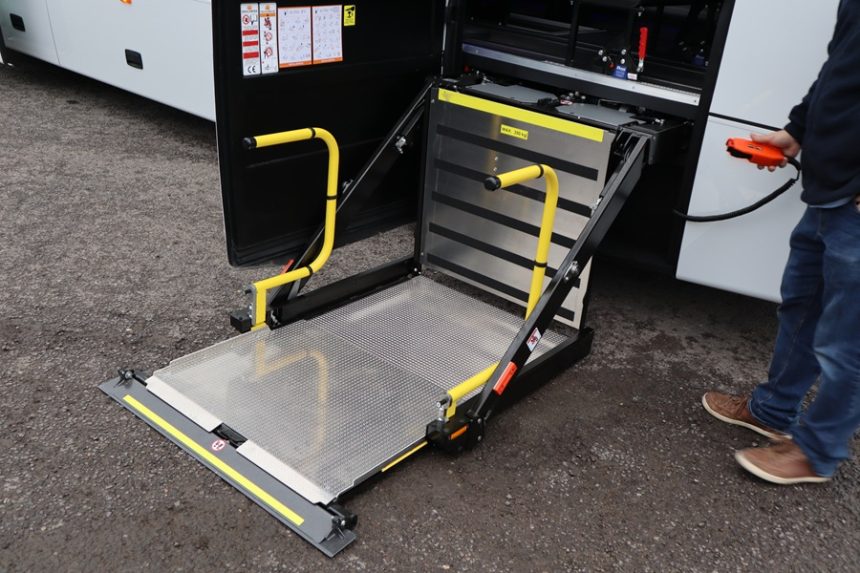
The PSVAR enabled stipulation does not call for fitment of destination displays and a passenger lift, but will require the vehicle to be built so that equipment can be added later without major structural changes to the coach.
Some niche vehicles put into service by exemption holders from February 2027 are outside the PSVAR enabled condition.
Those include examples that are specialist touring vehicles, such as for bands or sports teams with non-standard layouts, built-in-facilities such as a kitchen, and at least 20% fewer seats than normal. Those operated under long-term private hire to a customer for one month or more are also out of scope.