



















Shortly before the weekend began on Friday 5 June, the Department for Transport outlined the position around PSVAR for in-scope closed-door home-to-school and rail replacement services beyond the end of current medium-term exemptions (MTEs) in July.
The answer for home-to-school? More ‘special authorisations’ for another four years. For rail replacement, exemptions expire after 31 July and all such services must comply from 1 August, as they must with the PSV Accessible Information Regulations from the same date.
Given the multi-year wait across two governments for next steps, something like this has been inevitable for a long time. Home-to-school transport is already in a sticky enough spot on rates and fuel costs, and anything other than more exemptions from PSVAR would have led to crisis.
The forthcoming MTEs will maintain existing minimum proportions of PSVAR compliant coaches in fleets as defined by the current regime. An accessible vehicle will also be mandated on a home-to-school service when a passenger needs it.
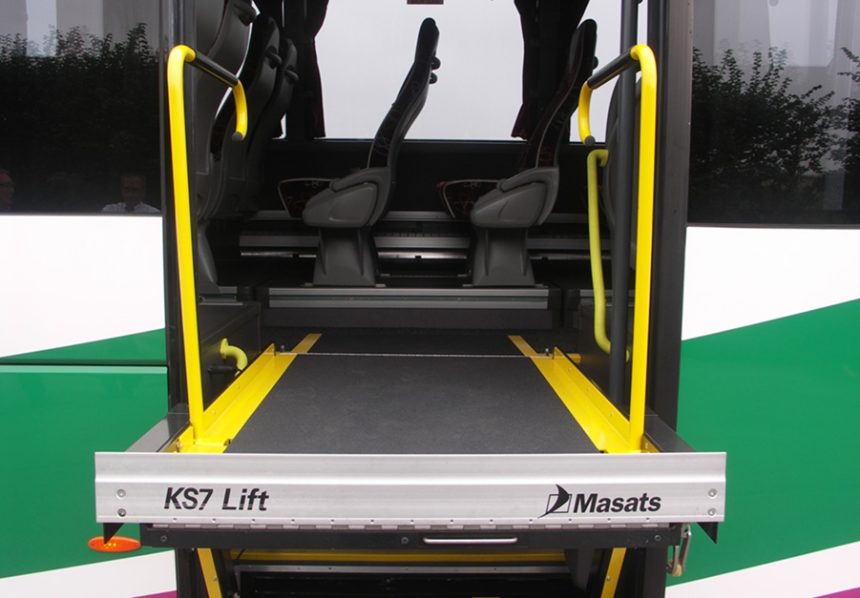
All good, but what is perhaps overlooked is the impact on operators who have invested heavily in expectation of exemptions wrapping up at some point. Lifts and associated equipment are not cheap. Nor is retrofit where they have gone into an existing vehicle.
Maybe the theoretical answer is for the regulations to have been written more realistically in the first place, but as Roads and Buses Minister Simon Lightwood notes, that was 25 years ago.
The oft-mentioned but yet-to-be completed review of PSVAR continues to hang in the wind. Certainly most tricky is how full conditions for the next round of MTEs from 1 August are not yet known.
One individual close to the process points out that it is little over seven weeks until those currently in force expire, and that action is needed quickly if applications to the coming mechanism are to be processed in time.
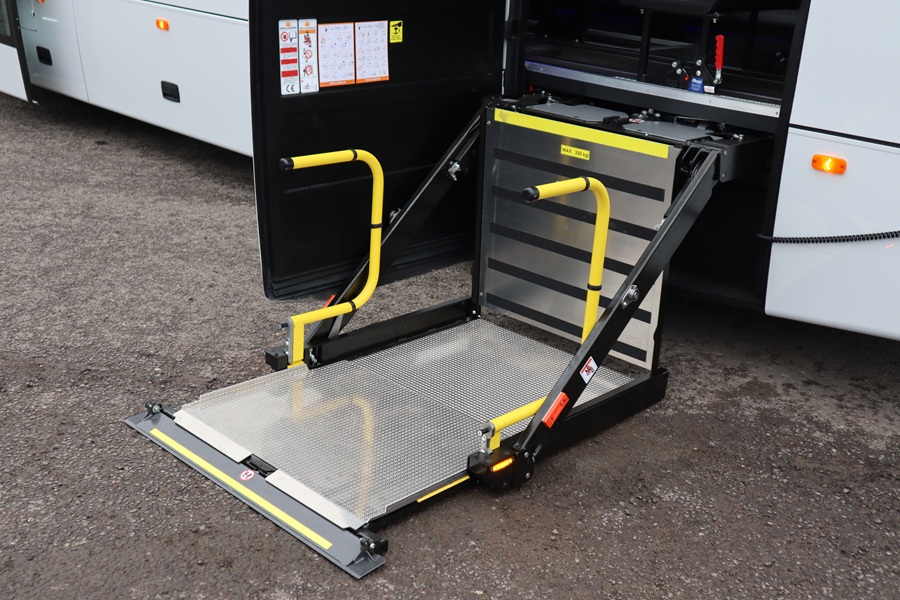
When existing MTEs were first issued in 2022, almost 18,000 vehicles were captured. Removal of rail replacement and increases to compliance rates for home-to-school will significantly reduce that number this time, but depending on what is required in the apply-and-grant process, a big piece of work still lies ahead.
Mr Lightwood’s outline of what will happen (or some of it) beyond 31 July does not comment on the longstanding conflict between vehicle access aids and many roadside layouts. But his tone suggests that heed has been taken of other industry feedback.
He notes that closed-door home-to-school services carry children whose needs are known in advance, and that many disabled pupils attend specialist schools, are provided with door-to-door transport, and would struggle to use mainstream services, accessible or not. The sector has been saying exactly that for the past seven years.
Those realities notwithstanding, disabled pupils must be able to travel with their classmates if they wish to under the coming round of MTEs, hence the stipulation that an accessible coach will be provided if required. That is a logical position, and few will argue with it.
Key is Mr Lightwood’s comment that striving for 100% PSVAR compliance may not always be the most effective way to deliver such inclusivity. Common sense at last after insistence that PSVAR on in-scope closed-door services was non-negotiable – but perhaps scant comfort for those who have already reached full compliance or close to it.