




















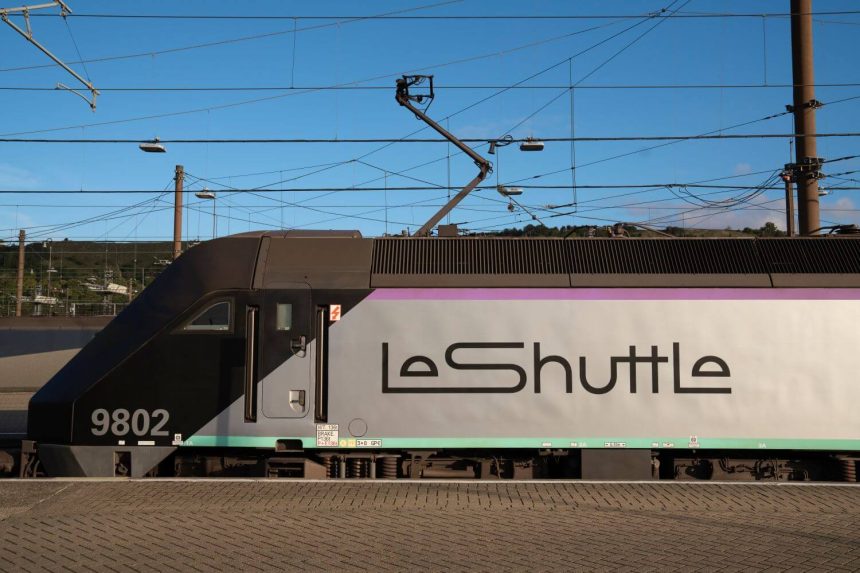
Can LeShuttle’s change of tack appeal to coach tour operators over the coming summer peak as the new EU Entry/Exit System threatens uncertainty at Dover?
After losing the business of many operators following policy changes four years ago, Eurotunnel carrier LeShuttle has been making concerted efforts to re-engage with the coach market.
When measured alongside the impact of the new EU Entry/Exit System (EES), the appeal of the tunnel over the ferry for cross-Channel trips may be widening.
It is almost four years since parent company Getlink limited capacity for coaches, removed online booking slots for that summer and increased prices. The move drew ire from many in the industry.
A survey published by the Confederation of Passenger Transport revealed that 25% of responding operators said they would not use what was then known as Eurotunnel Le Shuttle again and that half of operators said their costs had increased as a result of the changes.
Prolific overseas tour operator Parrys International, which had previously almost always used Eurotunnel, then announced it would switch to mainly going via Dover.

Meanwhile, scheduled services operator FlixBus said at the time the situation “discouraged sustainable collective travel by raising prices significantly and limiting availability for coaches, despite being the most environmentally friendly option”.
It should be noted that Parrys has since gone back to using LeShuttle, with Managing Director Dave Parry speaking in recent months of “improved channel crossings, now we are able to once again travel by Eurotunnel”.
LeShuttle increases coach capacity
Those comments came after LeShuttle reopened a refurbished UK Coach Exit Check Hall as part of a series of measures designed to attract back coach operators.
At the same time, it announced capacity was being increased from two coaches to six coaches per hour.
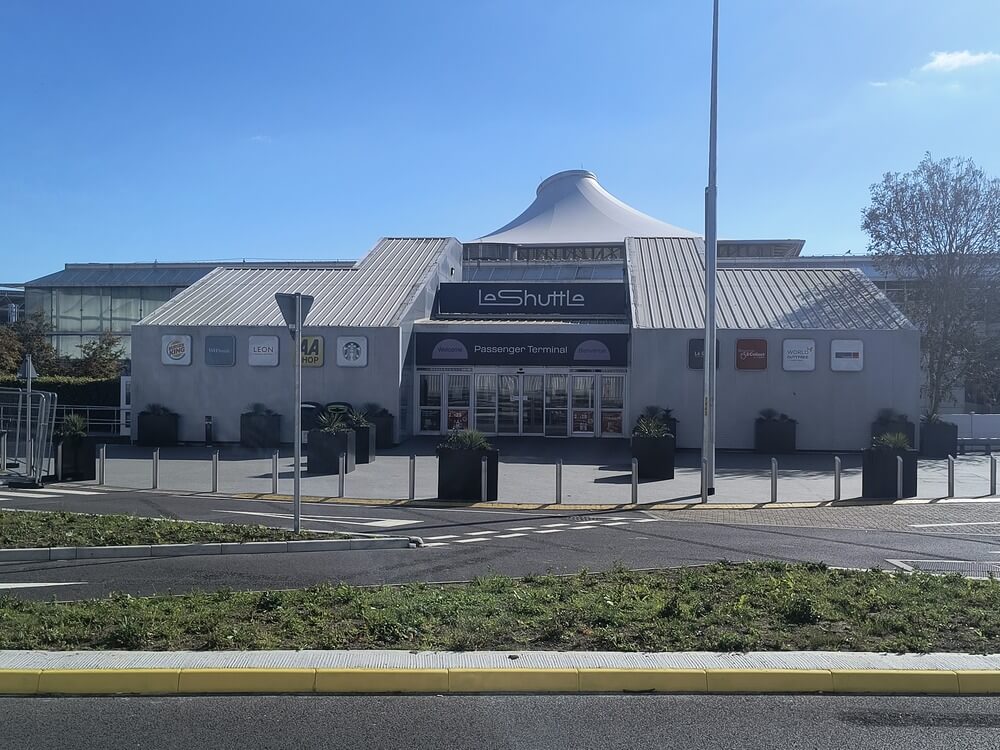
The new check hall meant coach travellers could once again access the shops and facilities in the main passenger terminus, a privilege lost when coaches had to be processed elsewhere after the pandemic. New dedicated parking and drop-off points were designed to further smooth the process for coach operators.
The most notable highlight is the significant investment being made to upgrade the way coaches are processed – Tracy Bayliss
Speaking of the issues of a few years ago, Tracy Bayliss, Head of Coach and Trade Sales at LeShuttle, says: “During the pandemic and its aftermath, coach operators struggled with reduced capacity, unpredictable scheduling, and stricter health and safety protocols. Staff shortages further compounded these challenges, leading to longer waiting times and a lack of flexibility.
“The constantly changing regulations made planning difficult, undermining operational efficiency and passenger service.” The increase in post-Brexit border regulations was also cited by the company at the time.
However, LeShuttle is keen to stress it is open for business when it comes to the coach sector. Although commercial interests limit the number of allocations given to coaches against the overall volume of carried traffic, it says capacity has already been increased and could be raised further to meet greater demand, thanks to improved efficiencies.
“The most notable highlight is the significant investment being made to upgrade the way coaches are processed, which will increase capacity and improve efficiency across the board,” says Tracy.

“These enhancements mean that LeShuttle can welcome more groups than ever before, making group travel smoother and more enjoyable. Alongside improvements to infrastructure and customer service, the focus remains on delivering a faster, more streamlined experience for both passengers and coach operators.”
LeShuttle believes its 35-minute crossings offer an advantage over the ferry option. Departures are more predictable due to being less susceptible to the weather, it points out.
Tracy adds: “Enhanced facilities for both passengers and drivers ensure comfort throughout the journey. LeShuttle’s flexibility, with regular crossings and minimal disruption, supports better planning and scheduling compared to ferry services.
“Furthermore, recent investments in dedicated coach facilities further enhance the overall experience, making LeShuttle a reliable and efficient choice for group travel across the Channel.”
Operators encouraged
routeone heard several positive comments from operators it approached regarding LeShuttle’s efforts over the past few months.
Matthew Arnold, Managing Director of Bayliss Executive Travel, says: “Eurotunnel has been really good. I’ve had no problems at all [since the opening of the new hall].”
Jason Edwards, MD of Jason Edwards Travel, adds: “Tracy is doing a great job. She supports the industry as much as she can. They spend an awful lot of money looking after our customers.”
If speed is the issue, you use the tunnel … if they’re not bothered about the time, they’ll choose the ship – Matthew Arnold
Tiphaine Bertrand, FlixBus Senior Business Developer, says: “During COVID, [LeShuttle] was prioritising cars over coaches but, the last few months and years, it’s switched back and it’s more open to coaches.
“And now we are using them a little bit more because they have switched their strategy.” Meanwhile, Pegasus Coaches MD Mike Lee concurred that he had noted improvements.
However, Tim Southby, Director of Heathside Travel, has maintained what he calls his “boycott” of LeShuttle, partly on the grounds of cost. “They put rates up because they think they can,” he says.
Ferry vs LeShuttle – coach operators weigh in
Operators say it is largely down to their clients whether the crossing is made via the ferry or Eurotunnel. The higher cost of the latter is a key consideration. “A lot will depend on the group, what they’re prepared to pay,” says Matthew.
“There’s convenience as well; is there a ferry at the time they want, or do they have to go via Eurotunnel because it fits with their time better? It’s not really our choice – it’s our customers’; we just provide them with the information.”
One UK Coach Operators Association member pointed out that travelling music bands tend to prefer using the tunnel as they get to stay on their high-end coaches, whereas school groups prefer the ferry.
Another member says: “Part of the holiday is getting off the coach and spending time eating, shopping, or walking around on the ferry. It’s an experience.”
Matthew concurs: “It’s horses for courses, really. If speed is the issue, you use the tunnel; a lot of people like to get off and stretch their legs, eat or drink on the ship; if they’re not bothered about the time, they’ll choose the ship. It’s the hirer’s choice.”
Tiphaine says FlixBus takes several factors into consideration. “Price is naturally an important consideration point because we need to be cost-effective,” she says.
“Furthermore, there is also to bear in mind capacity, operators’ schedules, flexibility, and the risk of disruption.”
Jason adds: “Price is a big thing for us. We’ve got small margins for profit so, when we look at our cost base, we will go with the most economical option. Time is a big factor, cost is a big factor. That’s what dictates who we travel with.”
Tim adds of his decision to use only the ferry: “It’s much more relaxed, everyone gets to sit down and have a proper cup of coffee, it’s much more civilised.”
He also claims that using Eurotunnel makes it impossible to meet legal drivers’ hours requirements – an issue raised by other operators.
Drivers’ hours and EES
On the other hand, Mike points out that being no longer able to change over drivers at the Dover ferry terminal itself means Pegasus will have to consider swapping them instead in Calais for longer trips, which could add on an extra £1,500 in costs.
Matthew says he will have similar concerns with regards to at least one of Bayliss’s ski trips next winter.
This could make LeShuttle a more attractive option in some cases. Mike says: “At the end of the day, it’s the money you’re spending on the tunnel, or the money you’re spending on sending the drivers over to France.”
The potential for disruption at peak times at Dover, especially bearing in mind the possibility of additional queues going into the new EES processing facility, is another factor which could tip operators towards Eurotunnel in future.
Tracy says: “We are cautiously optimistic that the introduction of EES will not result in significant additional delays during peak periods. Recent investments in dedicated facilities, streamlined processes, and enhanced staff training have greatly improved coach handling and operational efficiency.
“These measures are specifically designed to mitigate potential bottlenecks, even when new requirements such as EES are introduced.
“Ongoing assessments and flexible planning mean we are well-positioned to adapt to any challenges, ensuring that both operators and passengers continue to experience a smooth and efficient journey, regardless of increased demand or regulatory changes.”
The enhanced LeShuttle facilities include the refurbished coach exit check hall, which gives direct access to the main terminal building, although some operators remain cautious about letting passengers explore that.
Matthew says: “There’s always this nervousness about allowing passengers off and then getting them back to go and do battle with immigration.”
LeShuttle is trying to win back the coach sector and, in many case, it is being noticed. However, price, flexibility and operational considerations will continue to shape decision-making for operators.
The full impact of EES on the busy peak months to follow may be a big factor in the relative fortunes of the ferries and LeShuttle.