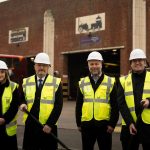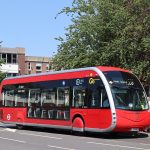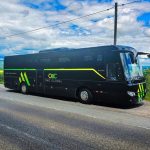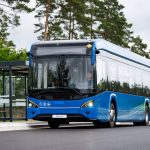




















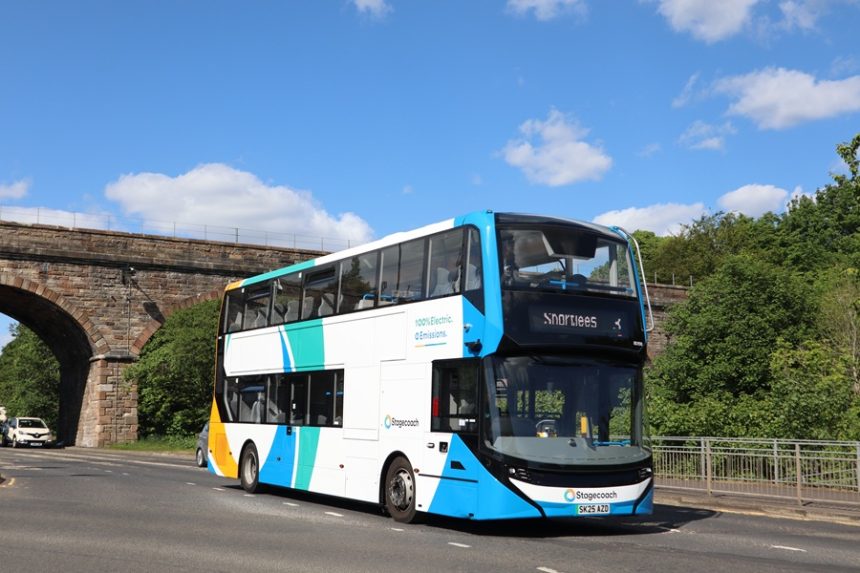
Last week I had the pleasure of hosting a roundtable at our Nuneaton depot, led by the Campaign for Better Transport. It brought together a fantastic mix of people who all have a stake in cleaner, better public transport.
For me, it was an opportunity to share not just the successes, but the very real day-to-day challenges that we face as an operator trying to decarbonise at pace. It is easy to talk about ‘net-zero’ in the abstract, but making it work in a live depot is where the real learning occurs.
There is now genuine cross-party agreement that cleaner buses are good for everyone and better for lungs, streets, and the image of bus travel itself. The government’s plan to phase out new diesel bus purchases by 2030 has given the clearest signal yet that we are in the final chapters of the diesel era.
As someone responsible for long-term investment decisions, that certainly matters. We commit capital on 10- to 15-year timelines; we need to know which way the wind is blowing before we build.
The grid: our biggest enabler and our biggest constraint
If there is one thing I have learned, it is that decarbonising buses is really about electrifying depots. Vehicles do not move without power, and the grid both enables and constrains everything we do.
The costs are sobering; multi-megawatt connections routinely run into seven figures before we have even bought a bus, and the timelines can stretch for years while planning and regulatory processes grind away.
For operators like Stagecoach, what is most needed is more efficient processes to help us get ahead of demand and reduce connection timelines, and clarity around future policy. It is frustrating to have vehicles and chargers ready but no capacity to plug into.
We can plan charging strategies and manage energy use smartly, but without predictable network investment, the entire programme slows.
Rebuilding the depot around electric operations
Nothing makes the complexity of electrification more tangible than walking through a depot during the conversion period.
Every site tells a different story. Some boxed in by railway lines, others squeezed between homes or rivers, but all facing the same question: how do we fit new energy infrastructure into space never designed for it? The real work lies in reimagining how buses move, charge and rest without compromising safety or efficiency.
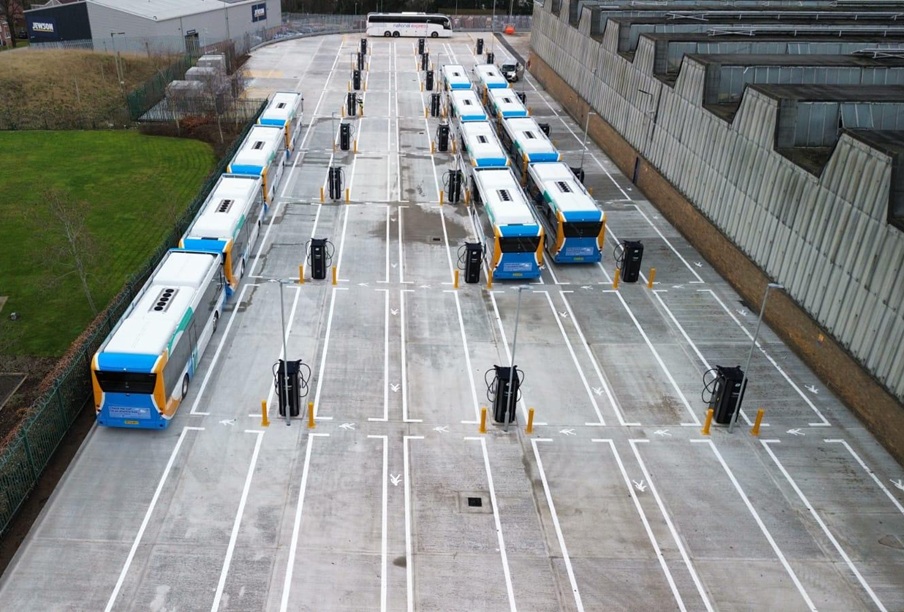
We have had to get inventive. Roof-mounted chargers preserve parking bays, dynamic charging minimises grid draw, and careful redesign keeps the operation flowing. My team now spends as much time talking about kilowatts and cable routing as vehicle scheduling. Electrification turns depots into energy hubs, and that shift is as exciting as it is demanding.
Converting depots and installing charging infrastructure is capital-intensive. But once built, those assets open doors to new opportunities. We are already trialling business-to-business charging with local companies, and smaller operators that cannot yet justify their own upgrades.
It is turning depots into shared energy resources rather than closed yards. It is not straightforward; contracts, tariffs and safety boundaries all need careful management. But the potential to lower costs for everyone is large. For me, these models represent the future: collaboration over competition, efficiency over isolation.
One misconception I always push back on is that electrification means starting from scratch with skills. It does not. Our engineers already know 90% of what makes a bus a bus; we are adding new layers of expertise in high-voltage systems, battery care, and digital diagnostics. With focused training, they adapt incredibly quickly.
The nature of depot work is definitely changing. It is more technical, more data driven, and more closely linked to energy management.
We are also building stronger links with local colleges to attract the next generation of specialists. So far, this skills transition is happening organically, but as electrification scales nationally, I would like to see more structured pathways to keep the talent pipeline full and consistent.
Governance and the risk of fragmentation
We are operating in a rapidly changing world of transport governance. Devolution has brought decisions closer to communities, which is positive, but that does bring with it a transition risk.
Structures are evolving, teams are changing, and policy direction can swing mid-programme. For capital-intensive projects like fleet decarbonisation, that can make consistency harder to achieve.

One of the big concerns is that not all operators start from the same place. Large city fleets with mayoral backing and strong grids are leading the charge, but there remain significant challenges to decarbonisation of rural networks.
Longer routes, thin margins and weak grid connections make that transition far tougher. Without tailored support, we risk creating a two-tier network.
Some smart solutions are emerging; shared charging hubs, vehicle repowering and targeted funding pots, but they need to be scaled and supported nationally. Otherwise, the very routes that bind rural areas together could be the hardest to sustain.
Our approach is to double down on local relationships. Decarbonisation cannot live solely in corporate strategies or Westminster corridors. It has to be built into every local plan and budget.
The best outcomes happen where we have trust and collaboration with local authorities, planners and grid partners that understand both our challenges and our ambitions.
So what is next for bus decarbonisation?
Decarbonising bus services is not a project with an end date. It is a complete transformation of how we think about infrastructure, investment, and service delivery.
Fleet strategy, energy management and business models are now completely intertwined. For someone in my role, that makes the job far more diverse, complex, and rewarding.
The foundations are strong: supportive policy signals, improving technology, skilled colleagues, and a growing public appetite for greener travel. The challenge now is integration by aligning transport, energy and local policy into one coherent system.
Get that right, and decarbonisation becomes more than compliance; it becomes a competitive advantage and a catalyst for growth. Our challenge now is to match clean vehicles with bus-friendly streets, simple fares, and reliable service that make choosing the bus the obvious, rather than the worthy, choice.