


















It seems that the West Yorkshire £2.5 billion tram-based project has been run off the rails by a review from the National Infrastructure and Service Transformation Authority (NISTA). It is another government body that is determined not to transform Britain.
NISTA insists that West Yorkshire had not made the case for its trams and failed to consider buses instead, probably in the form of a bus rapid transit (BRT) network, which NISTA says would be cheaper.
According to some sources, NISTA’s predecessor, the National Infrastructure Commission, found that the case was made for trams in Leeds. NISTA apparently noted political embarrassment if the tram project ran into difficulties, which, bearing in mind the government’s own political embarrassments at the moment, is a bit rich.
So what should we make of this? Is this a further bit of Treasury NIMBYism, and yet another example of “can’t do Britain,” or is it a useful safety cutout to stop yet another project doing a HS2?
Let us consider why a tram system is a good idea. West Yorkshire, like many metro areas, is suffering from post-industrial underinvestment. That has meant many regions in Britain doing less well than similar places in Europe.
Transport investment, if it happens at all, has largely been within Greater London, for very good reason. It would be folly to rob Peter to pay Paul by reducing spend in London.
What is needed is not an either/or decision-making process, but more investment in public transport. Government is still stuck in the car-centric rut of allowing a planning system to throw up car-based developments and public projects like the Lower Thames Crossing that will just punt the congestion ball down the road.
West Yorkshire once had tram systems, so all that would be happening would be to build a new one to replicate the growth happening in Greater Manchester. Public transport in many regions is dire, with decades of under investment in rail, trams, and buses.
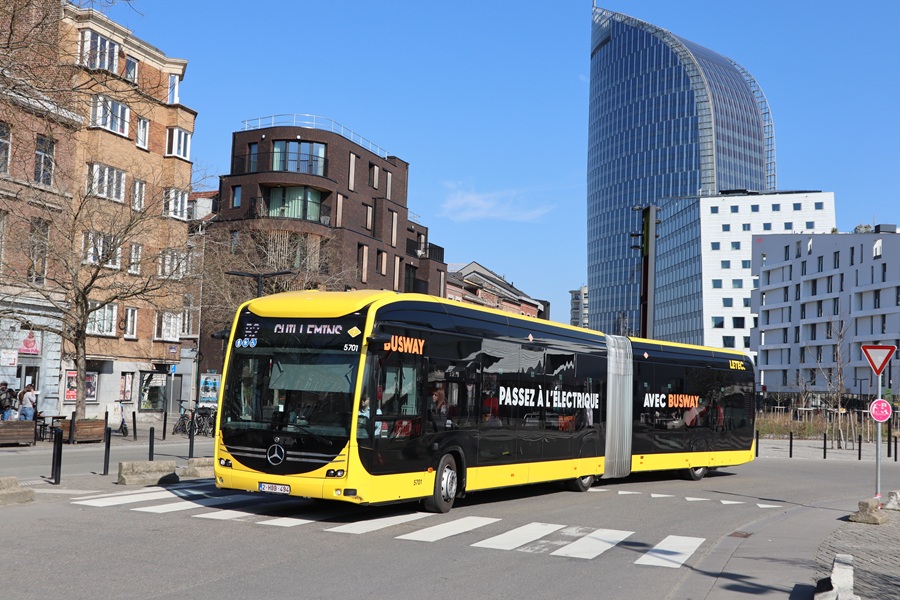
Would a BRT system be a better bet? It is hard to see why. Both tram and bus rapid transit require some heavy duty infrastructure. In fact, the land taken for BRT would be greater. A tramway would need an overhead electrical supply. In theory a battery tram may be possible, but that would require charging points, as would BRT, so the saving might not be as great as NISTA makes out.
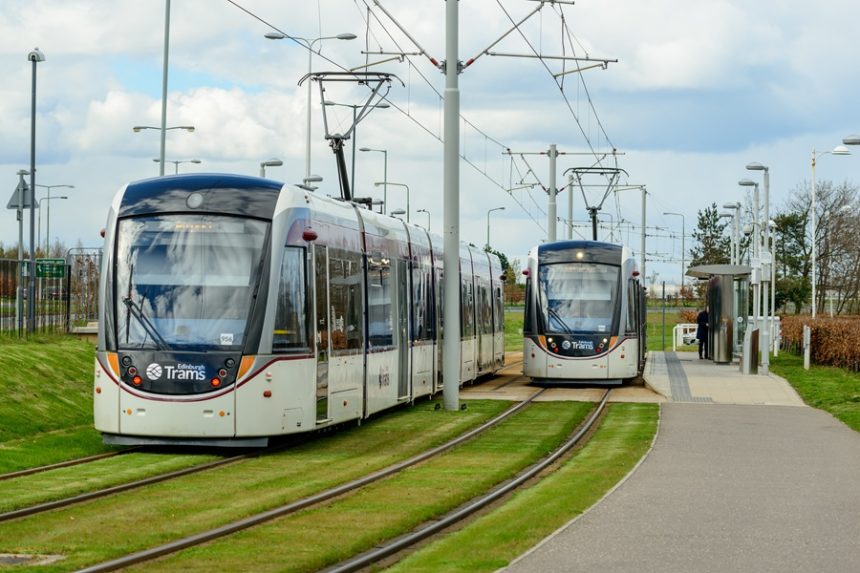
Would the public buy into BRT instead of a tram? There, I think the jury is out. Even the Edinburgh tram system (that is probably causing all this angst) has won approval from the public after all the delays and cost overruns. Given the choice, the public prefer trams to buses.
Another element that may not have been considered is the inherent flexibility of the bus. A bus in whatever form can start and stop almost anywhere, as long as the highway is suitable. This is its big advantage. Put buses on a separate piece of infrastructure, and they become a tramway, and not a very good one.
In Kent there are two bus rapid transit systems under the Fastrack brand. Thameside, which is being electrified with tram-type buses, seems a reasonable success, but the smaller Dover system is less so.
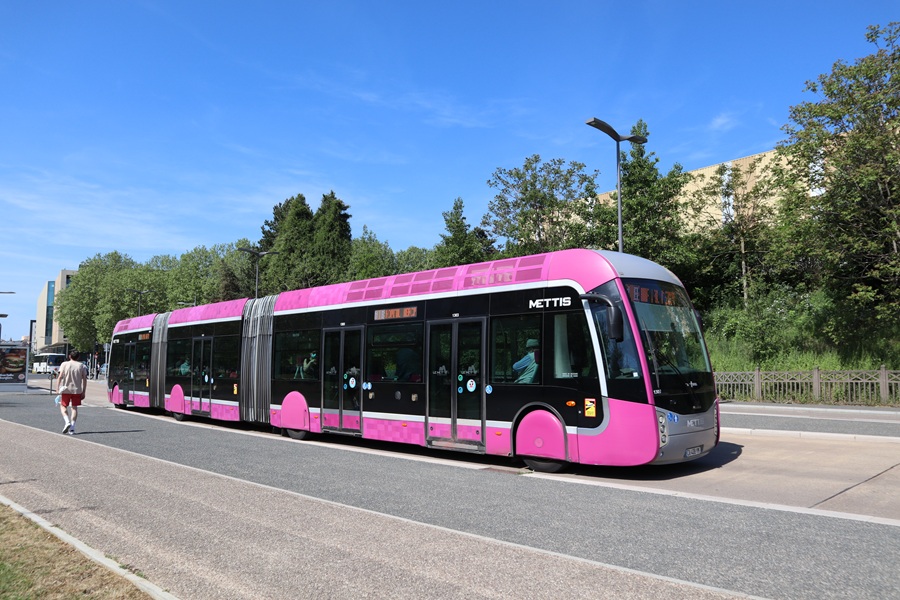
The fact that tram-type buses exist might be a clue to public preference. Trams have a better image than buses, and are often introduced as a project to show that a region is on the up, as well as to deliver fast, reliable transport
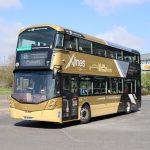
Buses cannot do that easily, even when they are modern electric vehicles. The past has weighed heavily on bus travel, which is a reason why persuading car drivers to adopt the bus is so difficult.
Perhaps had we invested in our bus networks at an earlier stage, the task of bringing the bus back as a sustainable form of transport might have been easier. Perhaps if NISTA had existed then, Dover Fastrack might never have been built, because it is difficult to see the business case for connecting a housing estate to a rail station.
The opportunity cost of the Dover Fastrack has been great. How much better it would have been had money been invested in modernising the existing bus network.
There are some who think BRT is the magic way to have a tramway on the cheap. But the public are not fooled. It would be better to build a decent tramway in West Yorkshire, with a supporting network of reliable bus routes, than insisting on foisting bus rapid transit upon a region that has a tram legacy and which opted for light rail a long time ago.