



















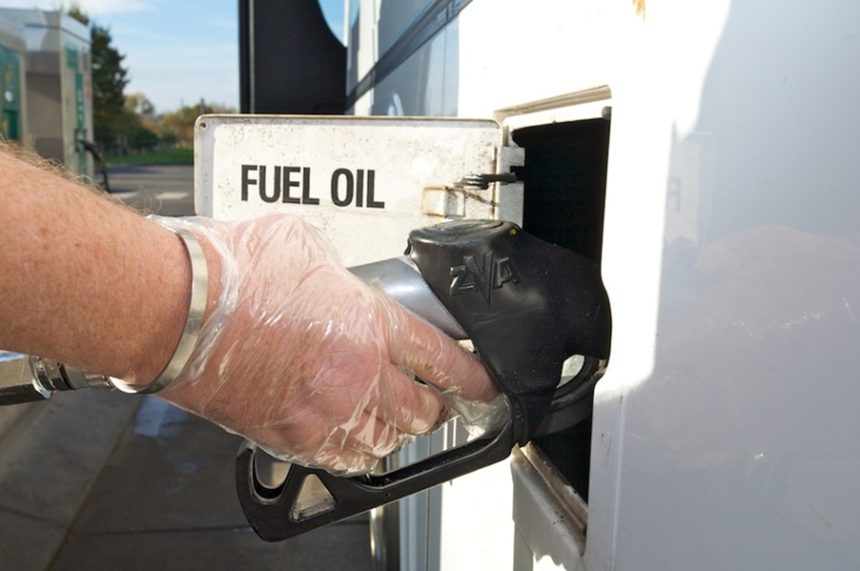
A crisis in the price of diesel shows no sign of abating. The World Bank warns of energy costs rising by 25% on average this year, and that it may take six months for shipping volumes via the all-important Strait of Hormuz to return to where they were at the start of 2026.
How that will continue to hit coach and bus is painfully clear. A botched smash-and-grab in Iran that, the world was told, would last only a few days when it began over two months ago leaves multiple global sectors pondering how elevated fuel costs can be recovered from the end user.
At least one local authority in England is understood to have been proactive with home-to-school transport contractors, taking the initiative by telling them all not to bother asking for any rate uplift because such requests will be automatically rejected. Helpful.
Operators warn quite legitimately that such a position is already untenable, and will become more so the longer it continues. A contract and a moral obligation to honour it is one thing, but losing money for the privilege of providing a local authority statutory duty may well be outside the tolerance of some.
Where a product earns £10 but costs £11 to deliver, the adage for many comes into play: better to leave the vehicle in the yard earning nothing than sending it out to make a loss. Some councils may learn that lesson the hard way the more things persist.
Trade bodies continue to bang the drum for support from the government. Assuming stable demand, its VAT take on road fuel – often characterised as a ‘tax on a tax’ given how it is applied – has increased by £6.4 million per day since the start of March, according to one source.
There is a clear argument, and perhaps a responsibility, for that uplift in VAT receipts on fuel to be returned to the pot in one form or another. It cannot be right that the sting on users that has been created by the Iran conflict and is leading to some heads being scratched about how sums will add up on pre-priced work also serves to boost government coffers.
One elected representative on the governing side of Parliament believes that there is no chance of the planned increase in fuel duty from September occurring. If they are right – and there is no reason to believe that they are not – that will tick one of the trade body boxes to help offset the crisis, if it continues then.
But what is becoming increasingly clear is that more is required. An essential user rebate has been suggested, as has temporarily bringing coach services into scope of Bus Service Operators Grant and its devolved equivalents.
MPs, meanwhile, are content to spend day after day talking about themselves and the disgraced former UK ambassador to the United States. What is more important: another in a long line of manufactured, boring Westminster scandals, or real businesses employing real people wondering what the next fuel bill will look like, and how they will pay it?