



















The prospect of a publicly-owned bus company in London has returned. Papers including a draft business plan to FY2029/30 from a Transport for London (TfL) board meeting earlier this month note how proposals for such an operator are to be developed.
Such an aspiration is the brainchild of Mayor Sadiq Khan. It was initially heard of in 2024. A source close to buses in London believes that it was presented in Mr Khan’s manifesto then as a response to franchising work in other regions where fellow elected Labour mayors are taking ownership of fleets and depots under the regaining control agenda.
TfL and its predecessors have always controlled the capital’s bus network, but the current body has never had such a degree of fleet and depot ownership as is, or will be, the case in Greater Manchester, West and South Yorkshire, the Liverpool City Region, and so on.
Mayors of those conurbations have made political hay by bringing buses back into public control. In the capital, where a once state-owned monolithic operator was broken up and privatised but the network never deregulated, the same lever cannot be pulled.
Yet a recent return of the publicly owned bus company agenda in London is understood to be more than a political statement, and the likelihood of eventual change is said to have a sturdier base now than in 2024.
It is no secret that operators’ margins on TfL contracted bus services have been squeezed hard over recent years. Sometimes they have evaporated entirely where costs have risen unpredictably against a tender submitted some time ago.
Those businesses have not been shy in activating contract break clauses. The work is then retendered by TfL and attracts bids that reflect the current market rate rather than where it stood in 2022. Ultimately, TfL will cover the additional costs that come with running buses in London under the current landscape.
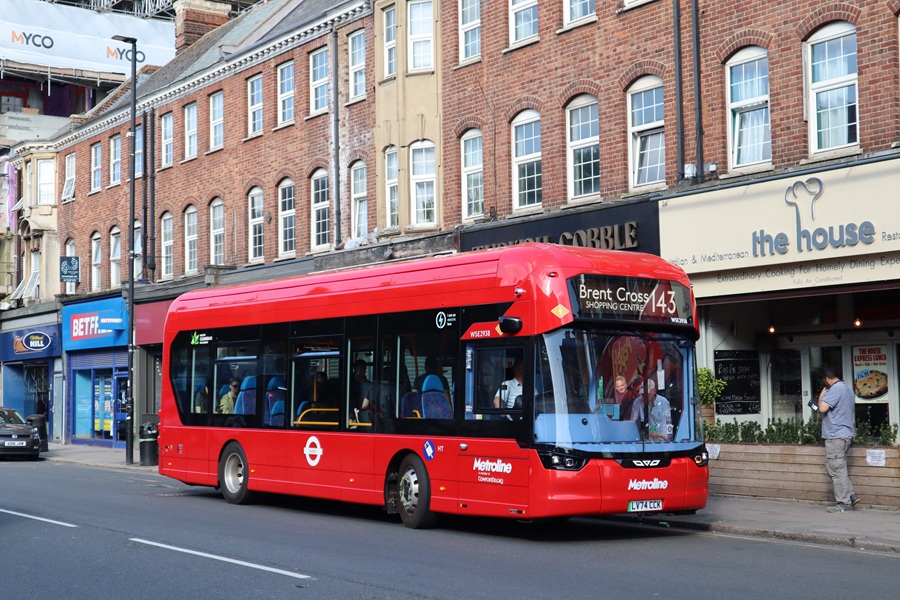
How the body could eventually seek to take routes in-house – via business acquisition or at the natural end of a contract – will no doubt be part of the development process, but TfL’s finances have been stretched since the pandemic, and establishing a new bus depot within the M25 – let alone an operation – is hardly an easy process.
One source close to goings-on suggests that some routes when tendered now attract a lower number of bids than would once have been the case. If so, it is right that TfL will want to explore all options.
Perhaps the central parts of a publicly-owned operator debate are surmised by former Director of Buses Mike Weston. If TfL brings things in-house, the benefits of a competitive landscape – muted as they may currently be – will fall. Operational costs will change little.
Could TfL strike a favourable electricity supply deal for buses given the vast consumption of its Underground network? Possibly. But otherwise, savings and the reinvestment of profits that have been lacking looks a shaky base upon which to build such a change.
As a political tool, the reasons for Mr Khan’s aspirations are clear. The realities – financial and operational – may be anything but.