


















Accessibility emerged as both a commercial opportunity and a structural challenge during the final theatre session at the British Tourism & Travel Show on 19 March, with speakers urging operators to rethink the entire visitor journey from booking to return travel.
The panel featured contributors from accommodation, guiding, consultancy and accessible travel, and highlighted a persistent gap between what is marketed as “accessible” and what is actually delivered.
Accessibility specialist Deanne Moses-Wright says that disconnect can have significant consequences, noting declining participation in group travel in areas with a paucity of accessible coaches, removing thousands of pounds of spend from the local tourism economy.
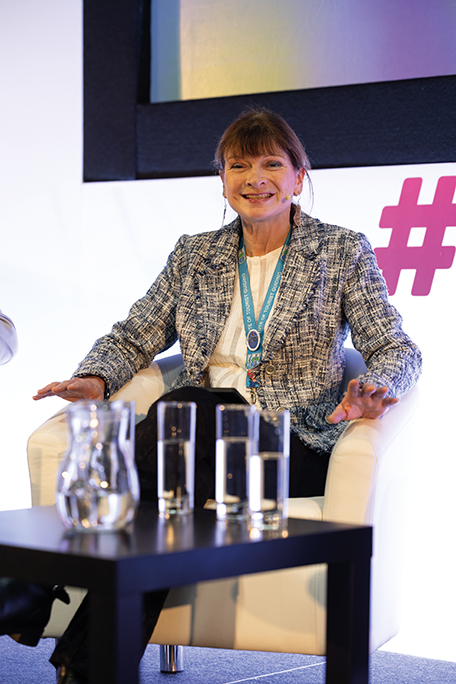
Speakers stressed a holistic approach. Blue Badge Tourist Guide Tess Pike (pictured) warns that itineraries can quickly fall apart in practice for groups with mobility needs. “Nothing is more disheartening than to get off the coach and have only 15 minutes before you have to board again,” she explains, arguing that boarding and alighting times often underestimate the needs of disabled passengers.
Emphasis is placed on the importance of accurate, detailed information at the booking stage, and better communication between venues and operators. Deanne argues that businesses
frequently fail to provide the level of detail needed for disabled travellers to make informed decisions. She points to the cruise sector as a benchmark of best practice, where operators frequently provide pre-travel accessibility questionnaires and clearly defined facilities.
For coach operators, practical steps include sharing passenger requirements across the supply chain and providing detailed, realistic itinerary information, alongside communication with venues and service stations. Tess advocates pre-travel questionnaires and better coordination between operators, guides and venues, noting that advance knowledge of a guest’s requirements can transform the experience.
The discussion did highlight the scale of the opportunity. Peter Quick, Director of Training at No Boundaries Disability Consultancy, referenced the UK’s “purple pound” estimated at £274 billion annually, with disabled travellers accounting for a significant share of domestic tourism spend.
Transparency about challenges is also a competitive advantage, according to Marsham Court Hotel Operations Director James Dixon-Box, who says businesses should not hesitate to acknowledge that not everywhere can be made fully accessible.