




















The dynamic between community transport and commercial coach and bus operation has occasionally been strained, but change across both leaves more to gain from collaboration than conflict. So says Community Transport Association (CTA) Chief Executive Victoria Armstrong, who has led the body since 2022.
That position is shared by those setting transport’s agenda. In England, Minister for Roads and Buses Simon Lightwood has spoken positively of community transport organisations (CTOs).
Meanwhile, the sector is referenced in Better Connected, the Integrated National Transport Strategy, on how it can play “a key role in complementing and enabling access to the wider public transport network.”
CTOs have additionally been eligible for the Scottish Zero Emission Bus scheme to support decarbonisation in Scotland. In Wales, they can secure funding via the Bus Service Support Grant to help cover some of their fuel costs – the only core funding made available by the Welsh Government to CTOs. UK-wide, the Motability Foundation gains credit for its support of the sector.

All are welcome, the CTA chief says. She is keen to see members stay within wider transport thinking. CTOs often have deep expertise in accessibility and adapting services to diverse user needs.
There is significant potential for transport on an overarching basis to learn from that, Ms Armstrong believes.
She suggests “a strong appetite within the sector to collaborate more widely and share practical, user-focused solutions to accessibility challenges.”
At the same time, averting a shortage of D1 drivers in community transport is a priority. CTA members must also deal with a funding landscape that is pressured.
Noting how the sometimes difficult 2010s are long gone, Ms Armstrong has opened some early discussions with potential partners in coach and bus, largely based around CTOs being seen as an integral part of a holistic transport field.
Training scope is growing for community transport
She believes that community transport is now largely refocused on its core purpose. Advocacy of an integrated approach does not include competing with commercial operators for things like home-to-school contracts, although Ms Armstrong points out that CTOs already have a critical role within mobility.
“Community transport can be a gateway to get people using other public transport,” she continues, noting how that is particularly the case for individuals who may otherwise struggle to use buses. “It is about thinking of the conversations we could have.” Those include with commercial operators about how they can collaborate.
One area where CTA and its members have scope to leverage skillsets is training. Disability awareness and passenger assistant courses are prominent, and work with taxi companies and drivers could be worthwhile. Local authorities are a further potential area of partnership.
CTA recently transformed its Minibus Driver Awareness Scheme (MiDAS). In doing so, it worked with members to develop that training and better ensure its quality throughout the sector. Those and other efforts have helped to boost MiDAS to promote safe, legal and comfortable journeys while not positioning it as a direct replacement for full D1 driving licence acquisition via test.
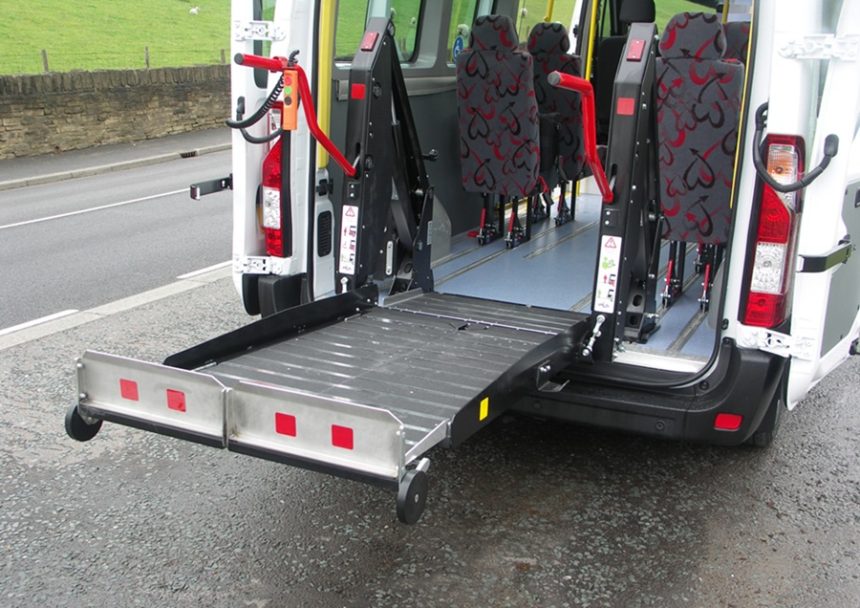
MiDAS includes assessment of driving skills but also has a ‘people’ side on accessibility and the safe carriage of wheelchair users. MiDAS is available to non-CTA members; Ms Armstrong is also keen to speak with third parties interested in taking up the passenger assistance training.
Community transport continues worry about ‘cliff edge’ D1 issue
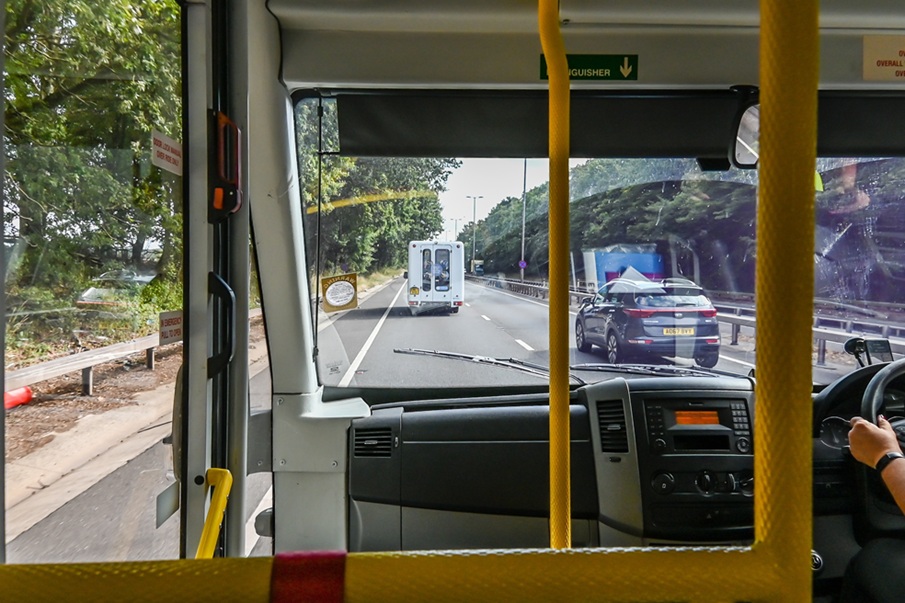
A focus for CTA in 2026 is what it describes as a cliff-edge for D1 licence holders. Change in 1997 ended the automatic award of such entitlement when passing a car test. Its effects are washing through, creating worry about a shortage in the future, potentially impacting community transport delivery.
CTA has been collecting members’ opinions on potential solutions. Three options are presented by the Association: the status quo with investment in training; replacement of the D1 test with a training-based upgrade; and exemption for drivers working under Section 19 and Section 22 permits.
“Some members are already doing D1 training,” Ms Armstrong says. But availability of instructors and test appointments can be difficult, and volunteers’ time for training is not always easy to come by. Other CTOs have moved towards smaller vehicles.
The matter is not unique to community transport. It may impact some schools with their own minibuses. Important for CTA is that the message to government around D1 is consistent. Whether it comes from community transport, schools or commercial operators, being on the same page gives the best chance of a solution.
Sector can take place in a wider transport picture
Community transport is within Better Connected, and CTA attended roadshows that informed the document’s development. “Something to consider is how much legal power the strategy has,” Ms Armstrong observes. Outcomes at local level “need to involve our members, because they can provide important complementary services,” she adds.
“We need to be in forums where we can say ‘one of our members does that’, or support members to get to the stage where they can contribute.” Devolution is beneficial; it boosts opportunities for community transport to be at that table.
How the sector fits within bus franchising remains to be seen, but recently published guidance gives hope. Ms Armstrong suggests that in city regions, it could be tricky. But when reregulation spreads to rural areas, opportunities for CTOs may follow.
“We need to be part of those conversations. The solution might already exist through our members.” That is a further example of how collaboration and communication is shaping the CTA outlook.
Contact Victoria Armstrong via email at victoria@ctauk.org