




















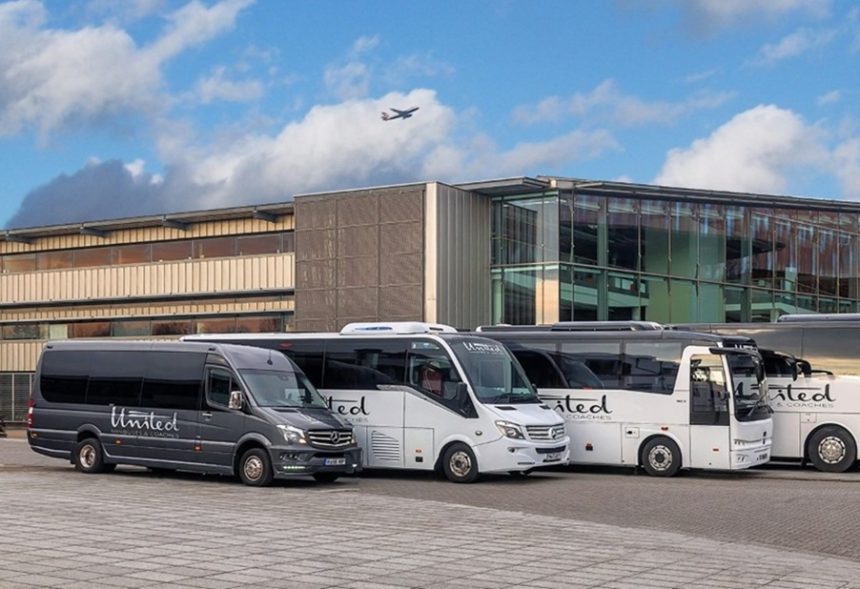
Interest from employers in workplace shuttle services continues to grow rapidly, according to United Minibuses and Coaches. The Crawley-based operator says it has now helped 30 such organisations to redesign or improve that provision for staff.
Across those, the business estimates that up to two million car miles per year are removed from the road. As many as 3,000 employees have benefited.
Senior Director Zubair Rasool notes that many businesses are expected to show progress on sustainability. “The challenge is knowing where to start,” he continues. “In most cases, staff transport is overlooked, despite it being one of the easiest places to make a real difference. You can reduce miles, cut emissions, and see the impact quite quickly.”
Mr Rasool points out that positive results of workplace shuttle services extend well beyond environmental factors and can capture boosting women’s safety during their commutes. When women do not feel safe during travel to and from employment, it can add a physical, mental and financial burden.
He adds that for businesses and other organisations operating shift systems, the task of getting to and from work early or late in the day can be “a real barrier” for many potential employees.
“If someone cannot rely on transport, this may put them off taking a job or even make it harder to stay in one. Putting reliable transport in place removes this barrier and reduces some of the stress that comes with getting to and from work every day.”
On reassurance for staff when journeying to and from work via shuttle, Mr Rasool says: “This matters even more when you think about people travelling at unsociable hours.
“Public transport is not always there when you need it, and safety can be a real concern. For some employers, particularly those trying to attract and retain more women, providing safe, reliable transport is becoming part of their duty of care.”
Easing the cost-of-living burden for staff is another boon of workplace shuttles cited by the operator. “Commuting is becoming more expensive. So when employers cover part of that journey, it can ease pressure,” Mr Rasool adds.